Cenchrus prieurii
(Kunth) Maire
gbif· cc0
President and Fellows of Harvard College
gbif· cc0
President and Fellows of Harvard College
gbif· cc0
President and Fellows of Harvard College
Description
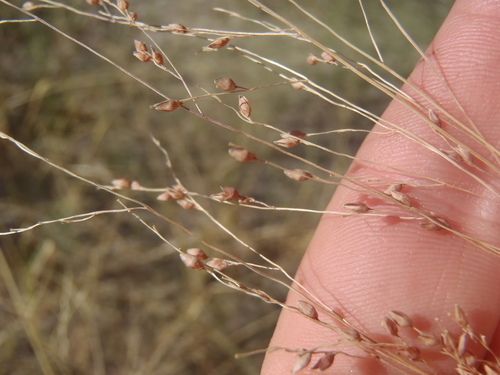
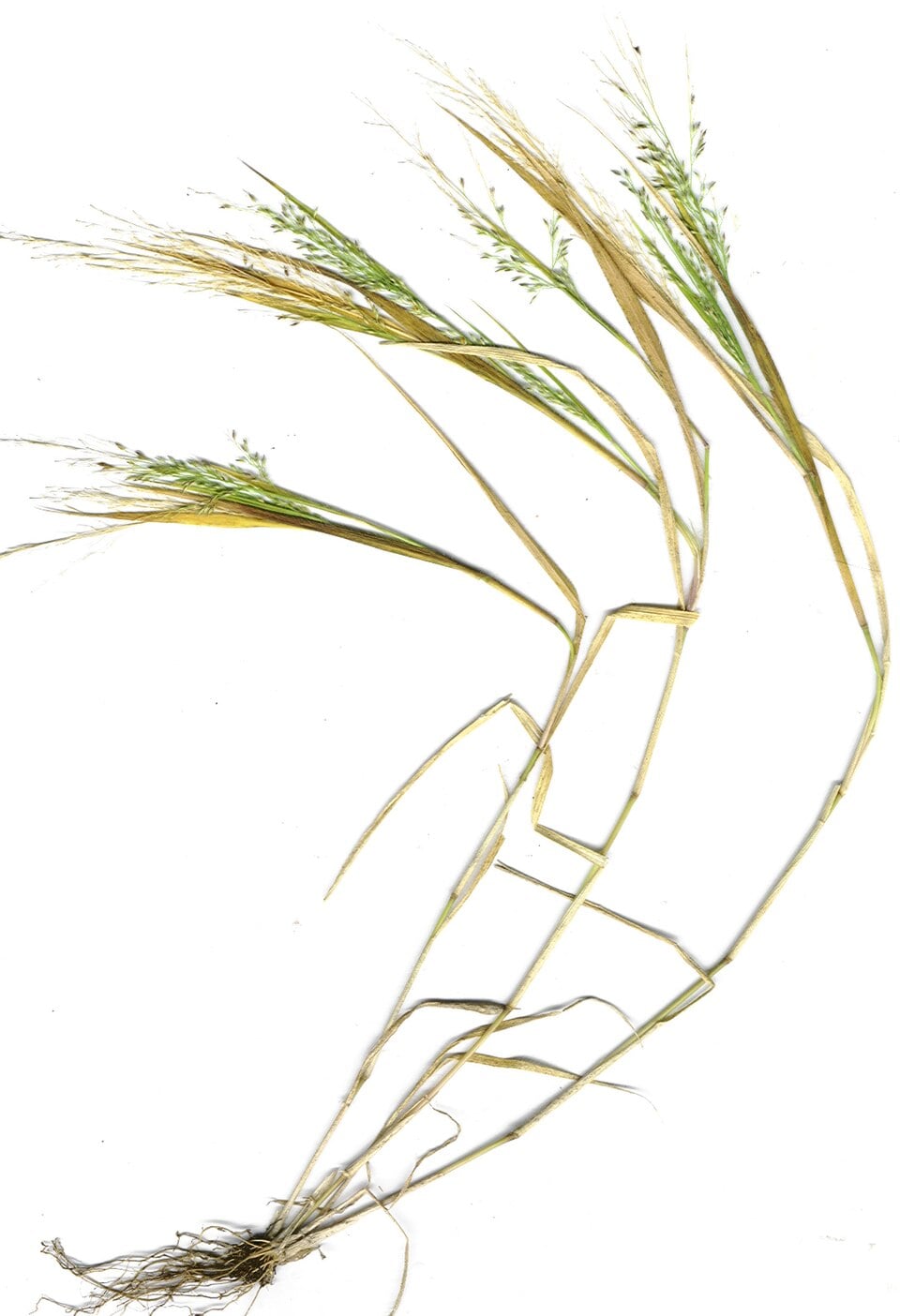
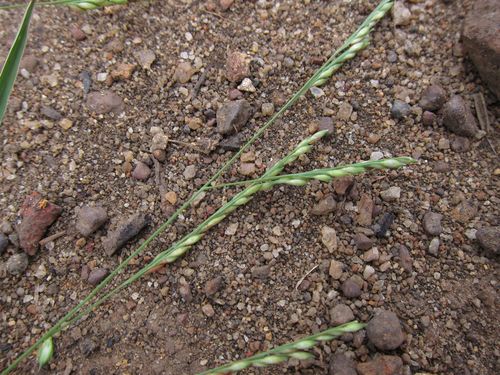
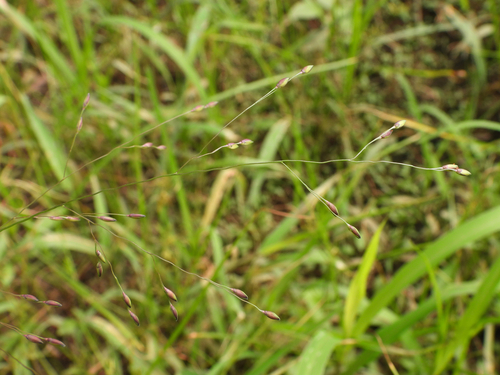
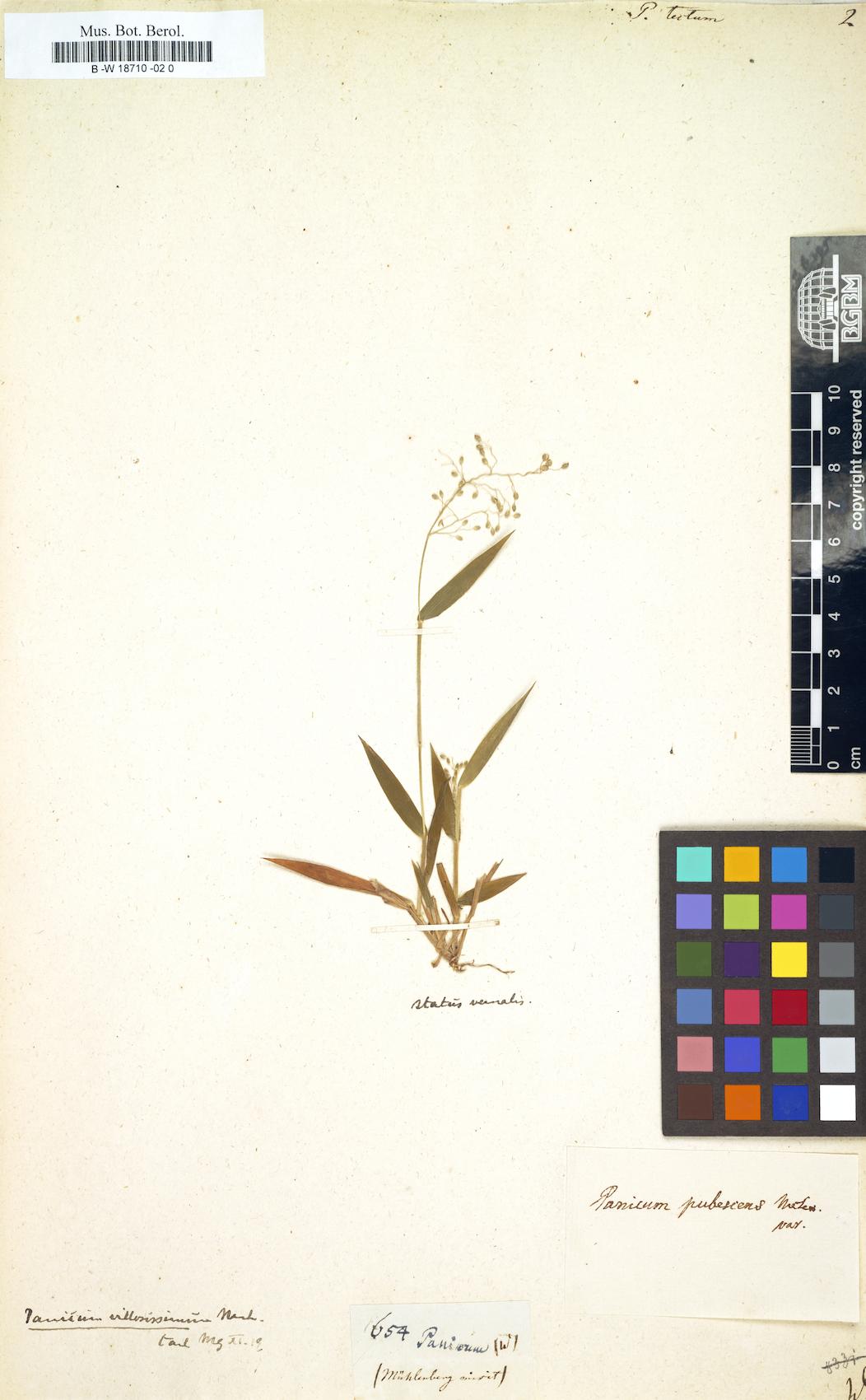
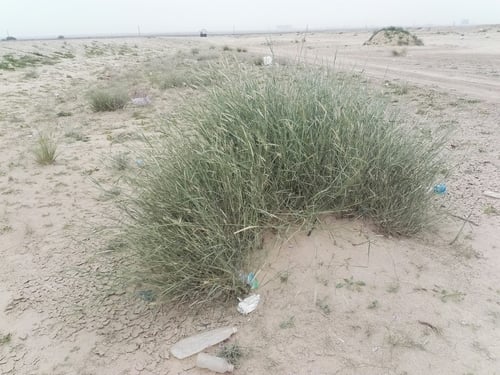
An annual grass. It grows 12-35 cm high. The leaf blades are 5-7 cm long by 4-5 mm wide. The flower panicle is a cylinder shape and 5-9 cm long.
This description is brief — help expand it
Edible Uses
The seeds are eaten raw or mixed with millet for making bread. The seeds are also used in kreb, a grain mixture eaten in Chad. It serves as a famine food and is important for nomadic peoples in Niger.
Traditional Uses
The seeds are eaten raw and also mixed with millet (bajra) for making bread. It is used in kreb a grain mixture eaten in Chad.
This uses section is brief — help expand it
Distribution
A tropical plant. It grows in semi-desert regions. It cannot tolerate frost. It can grow in dry, alkaline, sandy soils. It can grow in soils with a pH 7.7-7.9. It cannot tolerate salt. It can grow in arid places.
Where It Grows
Africa, Algeria, Arabia, Asia, Burkina Faso, Central Africa, Chad, East Africa, Ethiopia, India, Kenya, Mali, Mauritania, Middle East, Myanmar, Niger, Nigeria, North Africa, Pakistan, Sahel, SE Asia, Senegal, Sudan, West Africa, Yemen,
Cultivation
A plant of semi-arid and arid regions in the tropics and subtropics, where it is found at elevations up to 1,000 metres. It is found in areas with a mean annual rainfall in the range 200 - 500mm. Requires a sunny position in a light, well-drained soil. The plant photosynthesizes by a more efficient method than most plants. Called the 'C4 carbon-fixation pathway', this process is particularly efficient at high temperatures, in bright sunlight and under dry conditions.
Other Information
It is a famine food. It is important for nomads in Niger.
Notes
There are about 23 Cenchrus species.
Synonyms
Also Known As
Ascanit abu-souf, Cram-cram, Dhamnio, Heskanit, Lambio-bhurat
References (13)
- Bull. Mus. Hist. Nat. (Paris)Ii. 3:523. 1931
- Burkill, H. M., 1985, The useful plants of west tropical Africa, Vol. 2. Kew.
- CRÉAC'H, (As Pennisetum prieuri)
- Dalziel, J. M., 1937, The Useful plants of west tropical Africa. Crown Agents for the Colonies London.
- Famine foods
Show all 13 references Hide references
- Flora of Pakistan. www.eFloras.org
- Jardin, C., 1970, List of Foods Used In Africa, FAO Nutrition Information Document Series No 2.p 2
- Monod, T., (On wild edible plants of Mauritania)
- Peters, C. R., O'Brien, E. M., and Drummond, R.B., 1992, Edible Wild plants of Sub-saharan Africa. Kew. p 20
- Royal Botanic Gardens, Kew (1999). Survey of Economic Plants for Arid and Semi-Arid Lands (SEPASAL) database. Published on the Internet; http://www.rbgkew.org.uk/ceb/sepasal/internet [Accessed 8th May 2011]
- SAXENA
- Singh, H.B., Arora R.K.,1978, Wild edible Plants of India. Indian Council of Agricultural Research, New Delhi. p 84
- World Checklist of Useful Plant Species 2020. Royal Botanic Gardens, Kew