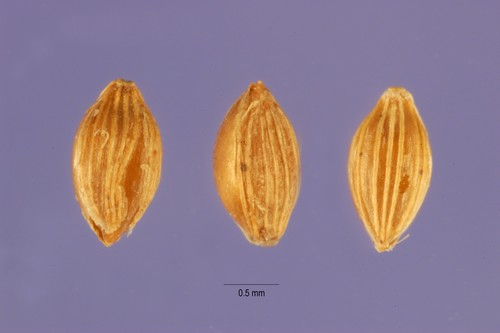
Themeda villosa
Durand & Jackson
iNaturalist· cc0
no rights reserved
iNaturalist· cc-by-nc
(c) John, some rights reserved (CC BY-NC)
iNaturalist· cc-by-nc
(c) John, some rights reserved (CC BY-NC)
Description
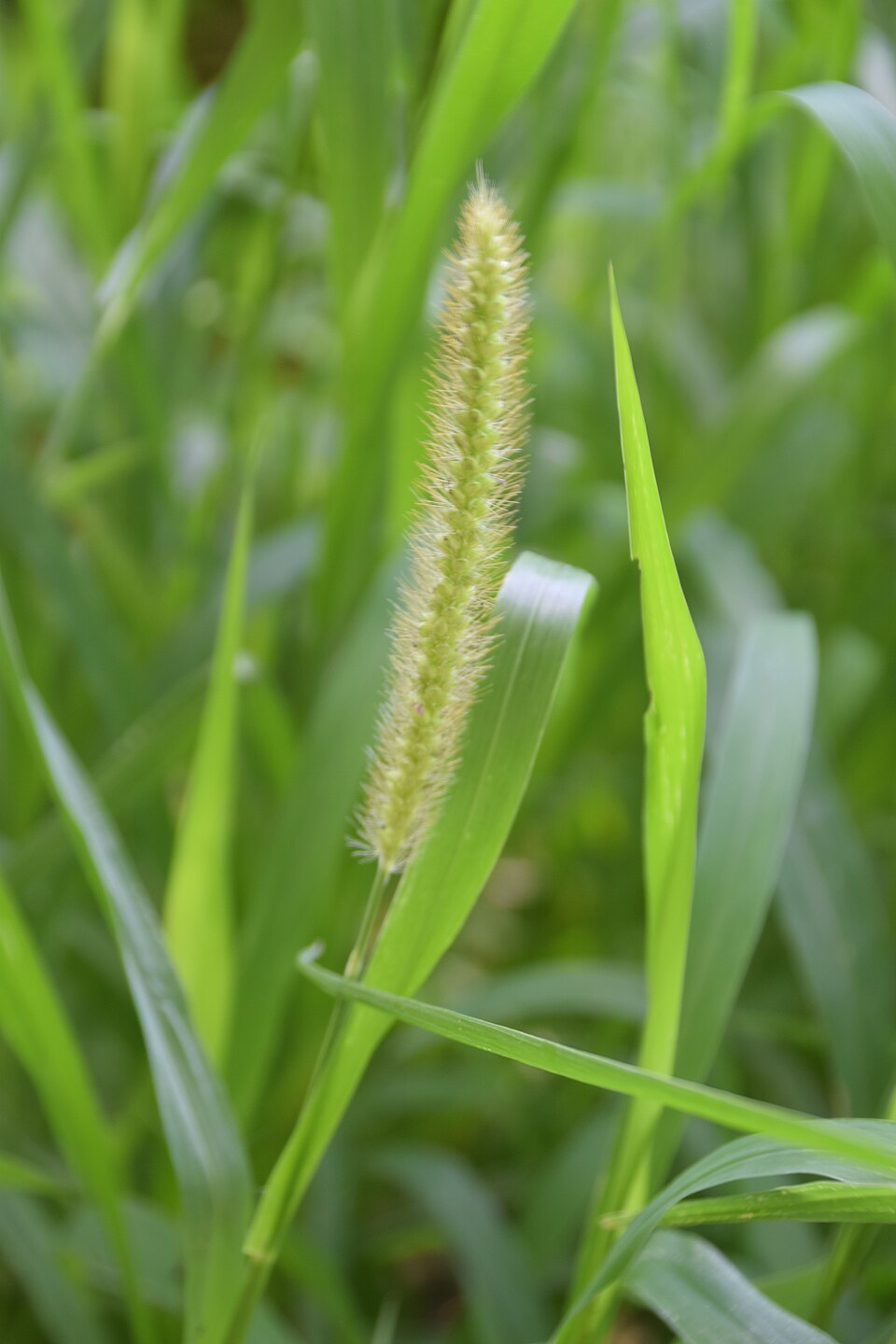
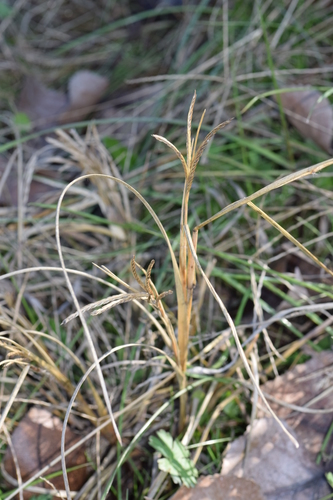
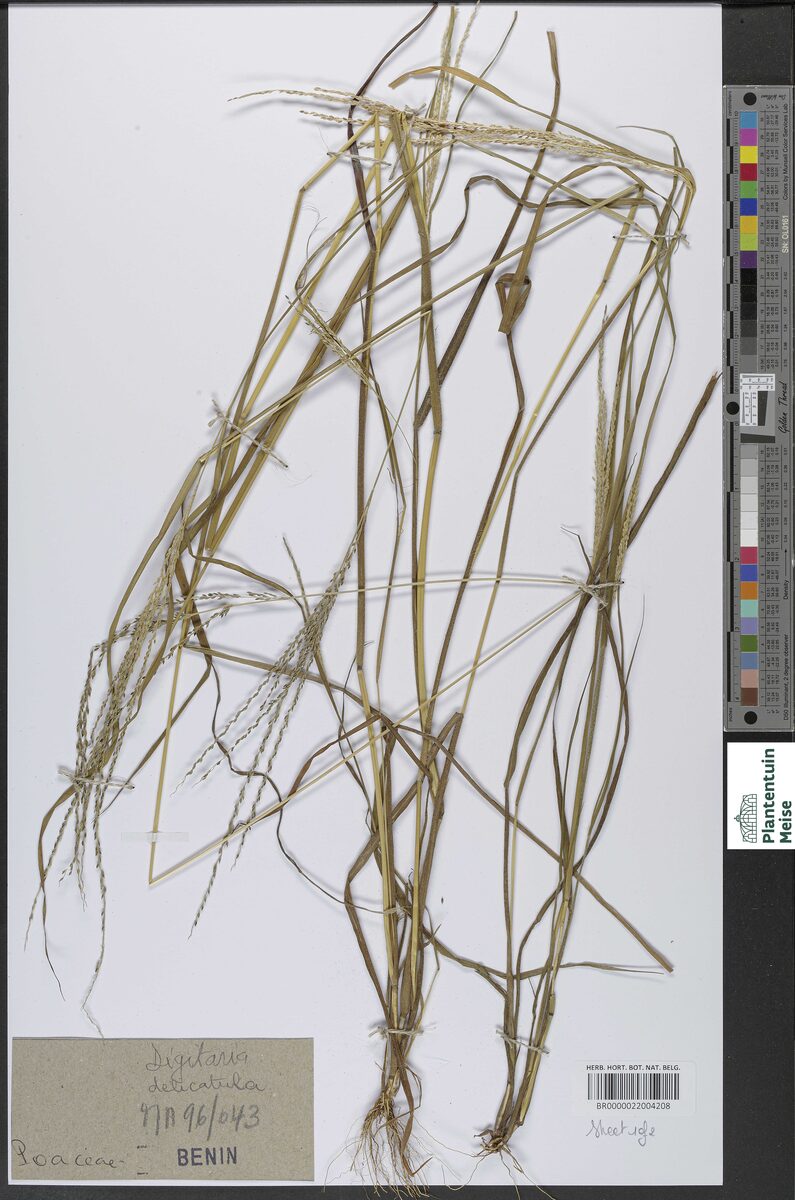
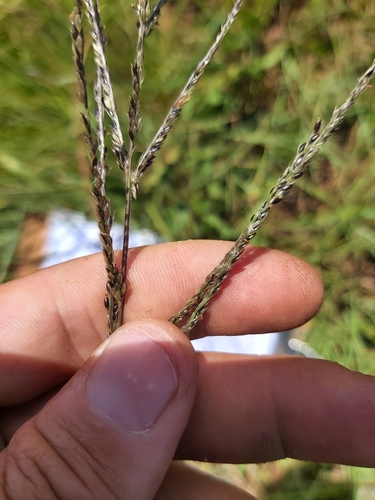
A large grass. It is reed like and forms tufts. It keeps growing from year to year. It grows 2-3 m tall. The culms are 1-2 cm across. The leaf blades are 100 cm long by 1-2 cm wide. They narrow towards the base. The flower is a compound panicle up to 1 m high and with drooping branches.
Edible Uses
Young shoots are eaten as a salad and are sweet.
Traditional Uses
Young shoots are eaten as a salad. They are sweet.
This uses section is brief — help expand it
Medicinal Uses
The young shoots are used against cough. The marrow of young stems is used to prevent infection of fresh ear holes.
Distribution
It is a tropical plant. It grows on hill slopes and moist grassy places between 300-2,500 m above sea level in southern China.
Where It Grows
Africa, Asia*, Australia, Bangladesh, Bhutan, China, Himalayas, India, Indochina, Indonesia, Malaysia, Myanmar, Nepal, Nigeria, Northeastern India, Philippines, SE Asia, Sri Lanka, Thailand, Tibet, West Africa,
Other Uses
The internode of the stem weres formerly used as shafts for dip pens. The leaves are used for roofing. The ash of the plant is used as fertiliser. The clumps are used as living hedges.
Synonyms
Also Known As
Glagah arjuna, Manjah, Manjarakan, Rumput perimping, Rumput riong, Saing-lon, Sisren, Thekke-min
References (6)
- Ambasta, S.P. (Ed.), 2000, The Useful Plants of India. CSIR India. p 634
- Burkill, H. M., 1985, The useful plants of west tropical Africa, Vol. 2. Kew.
- Burkill, I.H., 1966, A Dictionary of the Economic Products of the Malay Peninsula. Ministry of Agriculture and Cooperatives, Kuala Lumpur, Malaysia. Vol 2 (I-Z) p 2186
- Grubben, G. J. H. and Denton, O. A. (eds), 2004, Plant Resources of Tropical Africa 2. Vegetables. PROTA, Wageningen, Netherlands. p 565
- H. Lecomte, Fl. Indo-Chine 7(1):364. 1922 [As (Poir.) A. Camus]
Show all 6 references Hide references
- World Checklist of Useful Plant Species 2020. Royal Botanic Gardens, Kew