Monanthotaxis poggei
Engl. & Diels
gbif· cc-by-sa
GBIF
Description
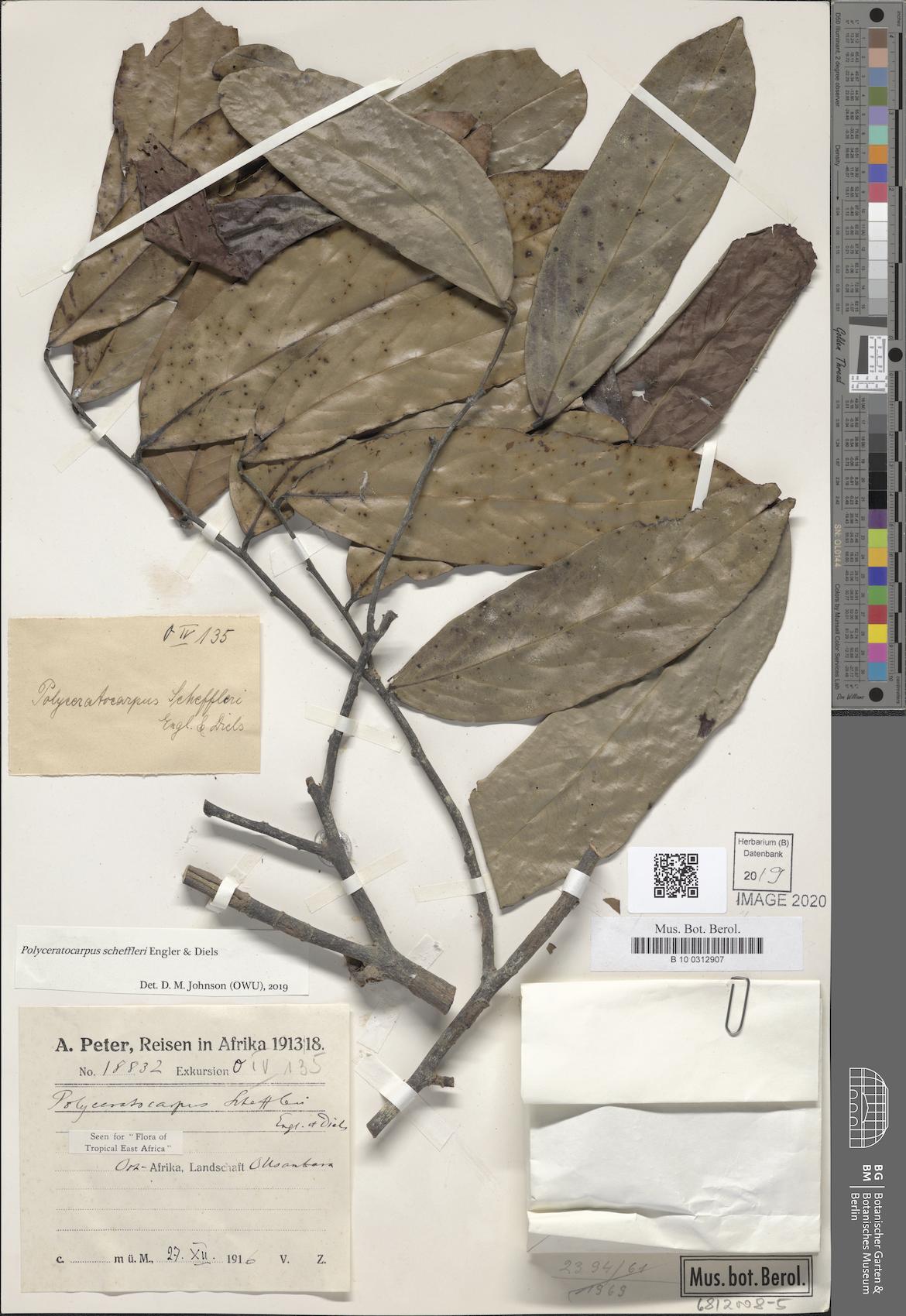
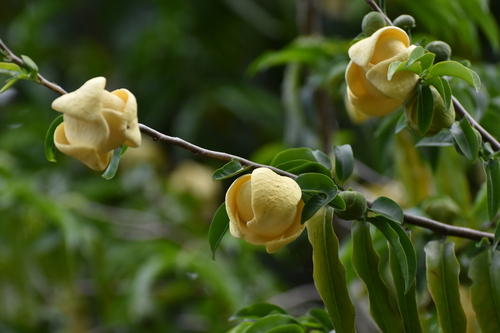
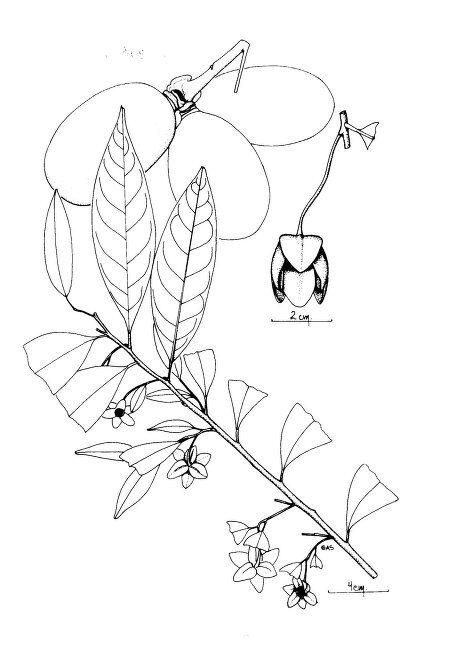
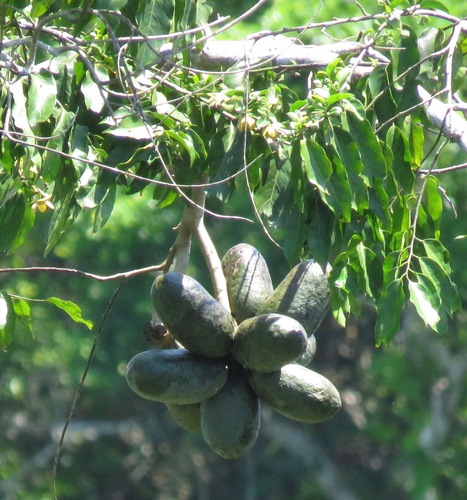
A climbing shrub. It grows 1-6 m long. The young stems have rusty hairs. The leaves are long and oval. They are 8-16 cm long. The tip are long and pointed. The leaves are green above and covered with silky silvery hairs underneath. The flowers occur singly or in groups of 2-4. They are near the leaves. There are 6 yellow fleshy petals. The fruit are in groups of 6-8. They are 1-2 cm long on stalks 1 cm long. There is one seed in each fruit. The fruit are covered with rusty hairs.
Edible Uses
Fruit - raw. A sweet pulp, it is eaten as a snack. The fruits are about 10 - 20mm long containing one seed; being carried in clumps of 6 - 8 fruits on stalks about 10mm long.
Medicinal Uses
Roots are used as a treatment for stomach-ache and an antidote for snakebite.
Distribution
It is a tropical plant. In Tanzania it grows in evergreen forest between 700-1,100 m above sea level.
Where It Grows
Africa, Angola, Central Africa, Congo, East Africa, Tanzania,
Propagation
Seed - best sown as soon as it is ripe.
Other Uses
The wood is used for making storage pots and withies. The wood is used for fuel.
Also Known As
Bulynkende, Lujongololo
References (2)
- Ruffo, C. K., Birnie, A. & Tengnas, B., 2002, Edible Wild Plants of Tanzania. RELMA p 478
- World Checklist of Useful Plant Species 2020. Royal Botanic Gardens, Kew