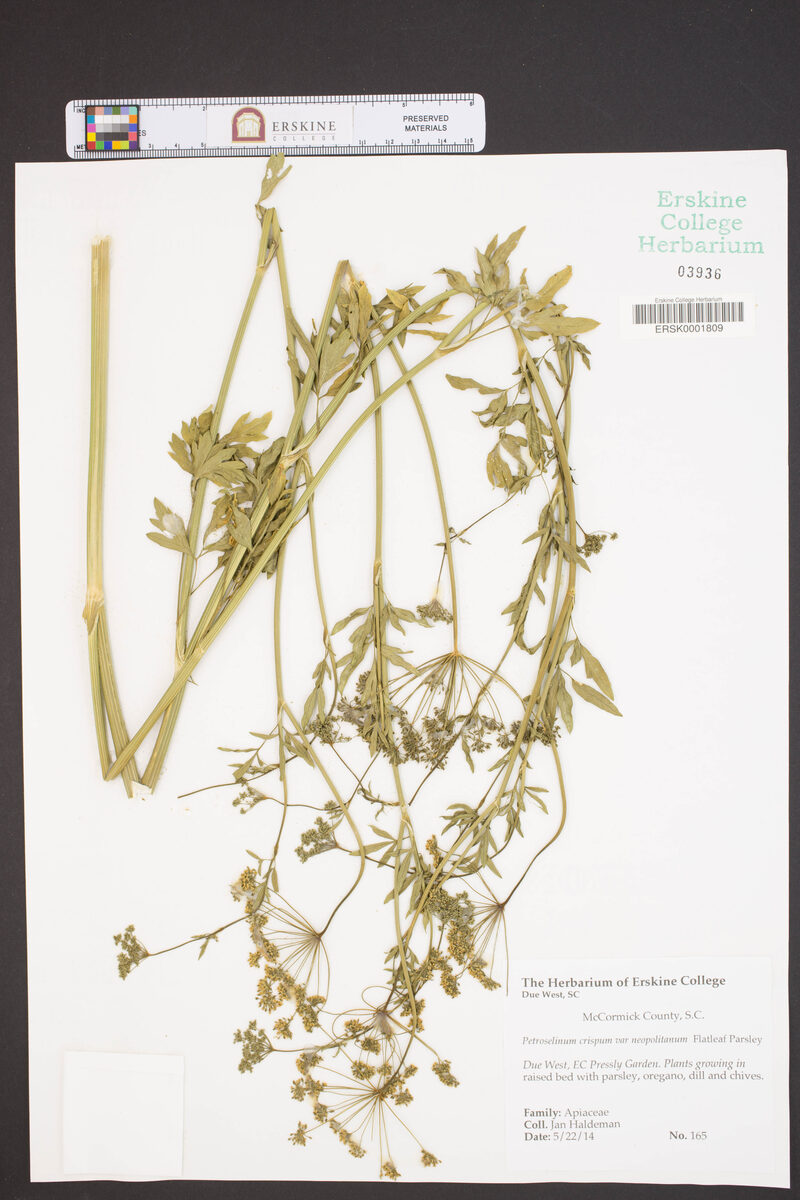
Malabaila secacul
(Mill.) Boiss.
Sekakul
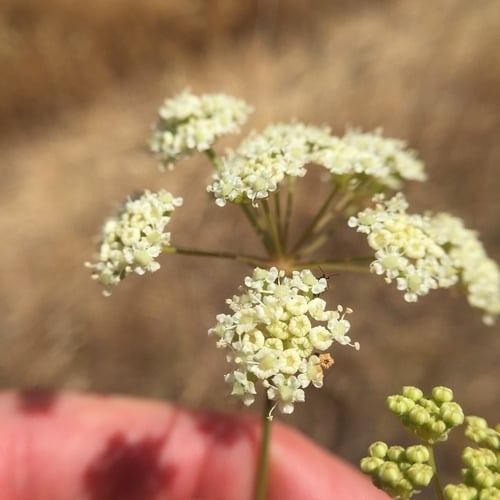
iNaturalist· cc-by-nc
(c) Ron Frumkin, some rights reserved (CC BY-NC)
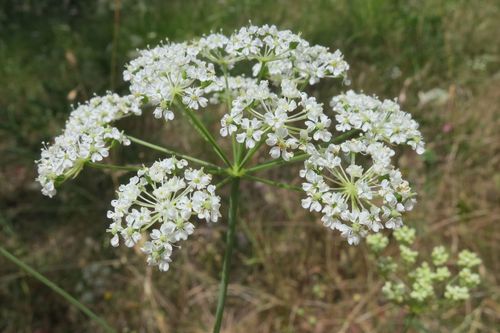
iNaturalist· cc-by-nc-sa
(c) יאיר אור, some rights reserved (CC BY-NC-SA)
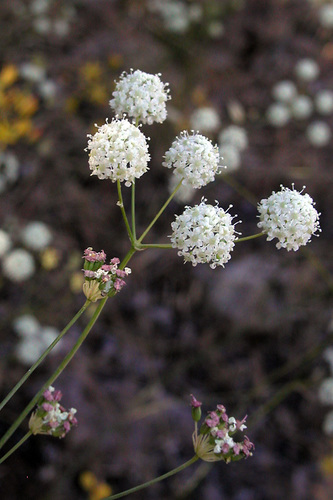
iNaturalist· cc-by-nc
(c) Stan Nikonov, some rights reserved (CC BY-NC)
Description
A cultivated Mediterranean herb in the Apiaceae family with edible roots, stems, and leaves.
This description is brief — help expand it
Edible Uses
The fresh fleshy roots are peeled and eaten raw. The young stems are eaten raw after peeling. The leaves are cooked and eaten. It is used as a spice in cheese.
Traditional Uses
The fresh fleshy roots are peeled and eaten raw. The young stems are eaten raw after peeling. The leaves are cooked and eaten. It is used as a spice in cheese. Caution: It is considered an aphrodisiac.
Known Hazards
It is considered an aphrodisiac.
Distribution
It is a Mediterranean climate plant.
Where It Grows
Jordan, Middle East, Syria, Turkey, Türkiye,
Other Information
It is cultivated.
Synonyms
Also Known As
Caksir, Corduk otu, Cortluk otu, Harik, Jazar, Kelimemesi, Kelemkesir, Kpyunekmegi, Manda
References (6)
- Al-Qura'n, S. A., 2010, Ethnobotanical and Ecological Studies of Wild Edible Plants in Jordan. Libyan Agriculture Research Center Journal International 1(4):231-243
- Cakir, E. A., 2017, Traditional knowledge of wild edible plants of Iğdır Province (East Anatolia, Turkey). Acta Soc Bot Pol. 2017;86(4):3568.
- Dogan, A., et al, 2014, A review of edible plants on the Turkish Apiaceae species. J. Fac. Pharm. Istanbul, 44(2) pp 251-262
- Ertug, F, Yenen Bitkiler. Resimli Türkiye Florası -I- Flora of Turkey - Ethnobotany supplement
- Kaya, O. M., et al, 2020, An ethnobotanical research in Sanhurfa central district and attached Villages (Turkey). Indian Journal of Traditional Knowledge. Vol. 19(1) pp 7-23
Show all 6 references Hide references
- Zeven, A. C. & de West, J. M. J., 1982, Dictionary of cultivated plants and their regions of diversity. Wageningen. p 101