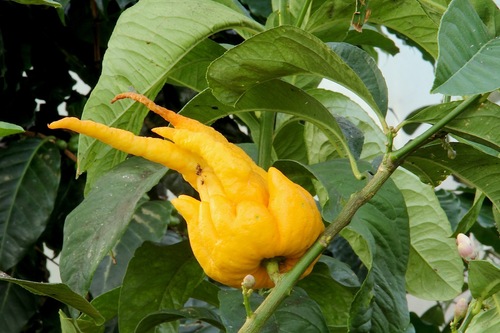
Angostura trifoliata
(Willd.) T. S. Elias
Angostura
wikimedia· cc-by-sa
Wikimedia Commons - Maša Sinreih in Valentina Vivod
wikimedia· cc0
Wikimedia Commons - Hamilton, Edward
Summary
Source: WikipediaAngostura trifoliata is a plant native to South America. It is an evergreen, growing 18 to 24 metres (59 to 79 ft) tall. The leaves are composed of three ovoid lanceolate leaflets. The flowers are purplish-white. Angostura bark is used in the treatment of fevers, where it is believed to be as effective as quinine. It is also used in a number of aromatic bitters, such as Abbott's Bitters and Fever-Tree aromatic tonic water; however, it is not used in Angostura brand bitters, which is instead named after a town in Venezuela, now Ciudad Bolívar. This plant is used to flavor foods like candy and ice cream. The bark is bruised and used to intoxicate fish.
Description
An evergreen tropical tree growing 18-24 m tall with three-leaflet leaves. The bark has been traditionally used to flavour gin and other drinks.
This description is brief — help expand it
Edible Uses
An extract of the bark is used to flavour various foods including bitter tonics, baked goods, candy, ice cream etc. The bark is the original flavouring for 'Angostura Bitters', which is now made using bitter orange peel, gentian and other herbs and spices.
Traditional Uses
The bark is used to flavour gin and other drinks.
This uses section is brief — help expand it
Medicinal Uses
The bark is used medicinally.
Known Hazards
The bark is bruised and used to intoxicate fish.
Distribution
It is a tropical plant.
Where It Grows
Amazon, Brazil, Colombia, South America, Venezuela, West Indies,
Notes
It is used as medicine.
Synonyms
Also Known As
Ajamata, Cuspa, Quiina blanca, Quina, Quina amarilla, Wesochai ejichu
References (4)
- Grandtner, M. M. & Chevrette, J., 2013, Dictionary of Trees, Volume 2: South America: Nomenclature, Taxonomy and Ecology. Academic Press p 33
- Kermath, B. M., et al, 2014, Food Plants in the Americas: A survey of the domesticated, cultivated and wild plants used for Human food in North, Central and South America and the Caribbean. On line draft. p 66
- Seidemann J., 2005, World Spice Plants. Economic Usage, Botany, Taxonomy. Springer. p 127 (As Cusparia febrifuga)
- Wiersema, J. H. & Leon, B., 2013, World Economic Plants. A Standard Reference CRC Press. 2nd Ed. p 55