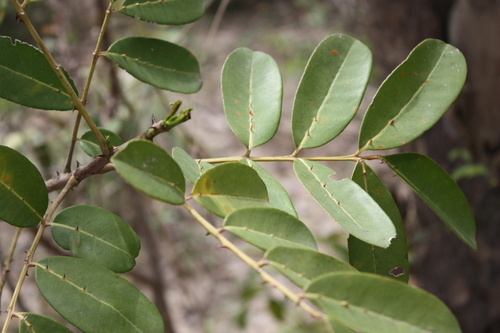
Citrus reticulata x C. sinensis
Tangor
iNaturalist· cc-by-nc
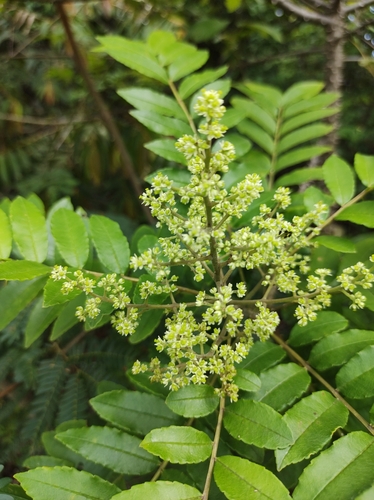
(c) Matt Reala, some rights reserved (CC BY-NC)
iNaturalist· cc-by
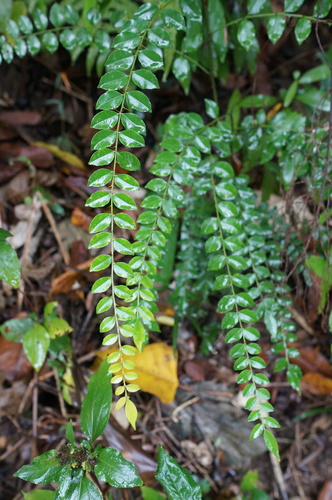
(c) Thomas Mesaglio, some rights reserved (CC BY)
iNaturalist· cc-by
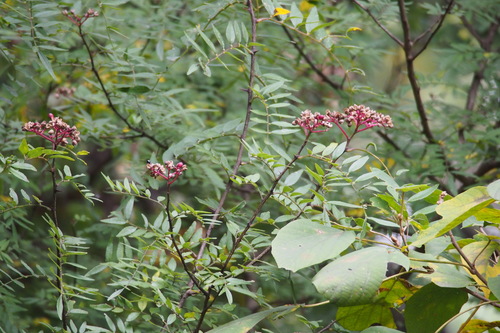
(c) Thomas Mesaglio, some rights reserved (CC BY)
Description
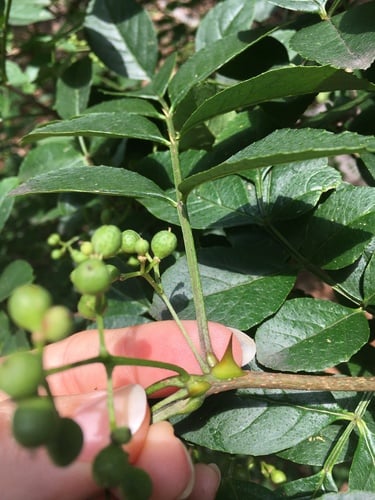
An evergreen tree. It grows 3-4 m high. It has a few thorns. The leaves are papery and smooth and shiny. They are 4-8 cm long. The flowers are in the axils of leaves and are either single or in groups. They have a scent. The fruit is like an orange. The segments separate easily. The skin is thick but easy to peel. The fruit is deep orange,
Edible Uses
The fruit are eaten fresh or consumed as juice.
Traditional Uses
The fruit are eaten fresh or as juice.
This uses section is brief — help expand it
Distribution
It suits hardiness zones 9-11.
Where It Grows
Asia, Australia, Brazil, Europe, Indochina, North America, SE Asia, South America, Spain, Thailand, USA,
Cultivation
Plants are grown by grafting.
Notes
There are 20 Citrus species. Several hybrids have been formed.
Synonyms
References (7)
- Cundall, P., (ed.), 2004, Gardening Australia: flora: the gardener's bible. ABC Books. p 383
- Kiple, K.F. & Ornelas, K.C., (eds), 2000, The Cambridge World History of Food. CUP p 1865
- Lorenzi, H., Bacher, L., Lacerda, M. & Sartori, S., 2006, Brazilian Fruits & Cultivated Exotics. Sao Paulo, Instituto Plantarum de Estuados da Flora Ltda. p 560
- Lyle, S., 2006, Discovering fruit and nuts. Land Links. p 143
- Morton, J. F., 1987, Fruits of Warm Climates. Wipf & Stock Publishers p 145
Show all 7 references Hide references
- Purseglove, J.W., 1968, Tropical Crops Dicotyledons, Longmans. p 510
- TodaFruta.com.br