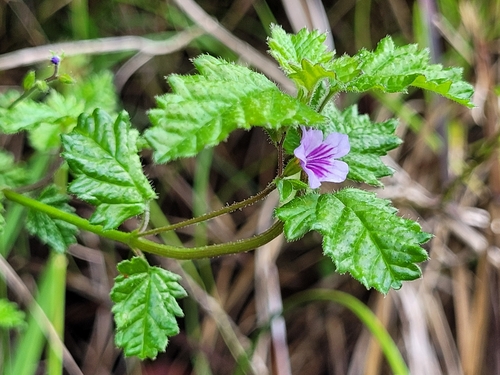
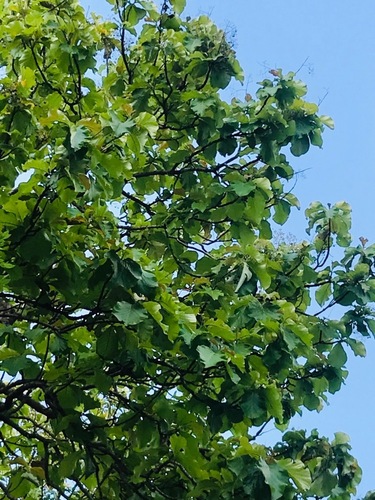
Aloysia gratissima
(Gillies et Hook.) Tronc.;
Texas white bush
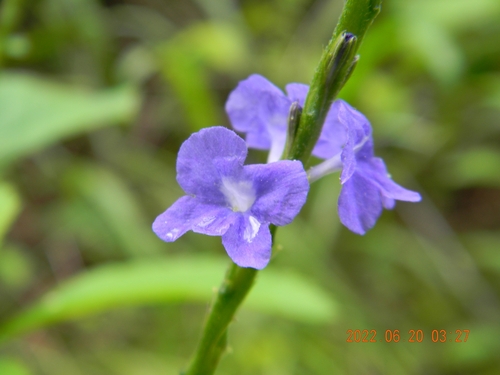
iNaturalist· cc-by-nc
(c) Victoria Aguilar, some rights reserved (CC BY-NC), uploaded by Victoria Aguilar
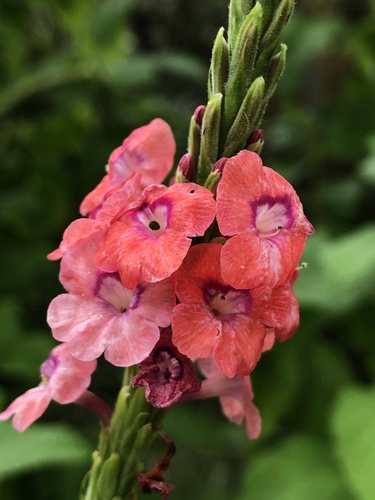
iNaturalist· cc-by-nc-sa
(c) María Eugenia Mendiola González, some rights reserved (CC BY-NC-SA), uploaded by María Eugenia Mendiola González
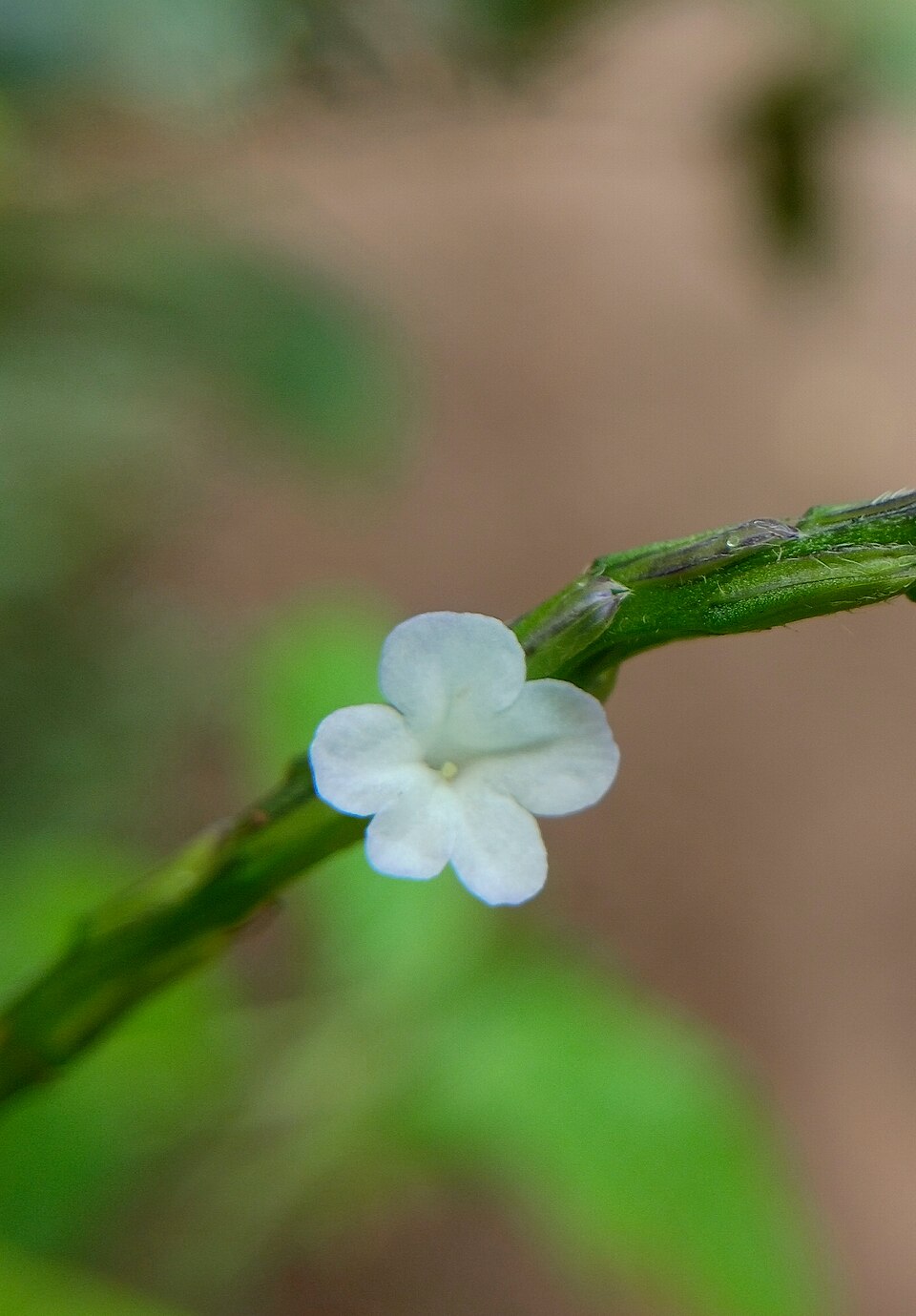
iNaturalist· cc-by-nc
(c) Roberto R. Calderón, some rights reserved (CC BY-NC), uploaded by Roberto R. Calderón
Summary
Aloysia gratissima is a fast-growing evergreen shrub reaching 3 m (9 ft) tall and wide. Hardy to UK zone 8, it requires full sun and well-drained soil suitable across all pH levels, including very alkaline and saline soils. Drought-tolerant and capable of withstanding maritime exposure, it thrives in poor soils. Bee and insect-pollinated, it attracts wildlife.
Description
A shrub. It grows 1-3 m tall. The leaves are opposite and with short stalks. They are narrowly oval and 1-7 cm long by 0.5-3 mm wide.
This description is brief — help expand it
Edible Uses
Leaves and flowers can be steeped to make a tea with a herbal, lightly fruity flavor — similar to oreganillo (Aloysia wrightii), though generally milder. The tea works well hot or cold and was traditionally drunk as a refreshing beverage in the desert Southwest. Beyond tea, the shrub is not considered edible. Gathering leaves is straightforward, but collecting flowers in useful quantities takes patience, as they are small and delicate. Plants often bloom in response to summer rains, giving foragers a seasonal window for harvest.
Traditional Uses
The leaves and flowers are used for tea.
This uses section is brief — help expand it
Medicinal Uses
A flower infusion is used to treat catarrh and colds.
Distribution
It is a subtropical plant. in Argentina it grows between sea level and 1,000 m above sea level.
Where It Grows
Andes, Argentina, Bolivia, Brazil, Chile, Ecuador, Mexico, North America, Mexico, Paraguay, South America, Uruguay, USA,
Cultivation
A plant of the warm temperate zone to the tropics, usually ascending to higher elevations above 1,400 metres in the tropics. The plant can tolerate some frost, though is more likely to be deciduous in such circumstances. Requires a sunny position and a well-drained soil.
Propagation
Seed.
Other Uses
Grown to stabilize sand dunes and used in xeriscaping and erosion control in arid regions. The plant is valued by pollinators as a nectar source for bees and butterflies.
Synonyms
Also Known As
Bee brush, Cedron del monte, Erva-de-nossa-senhora, Garupa, Mexican oregano
References (6)
- Kermath, B. M., et al, 2014, Food Plants in the Americas: A survey of the domesticated, cultivated and wild plants used for Human food in North, Central and South America and the Caribbean. On line draft. p 47
- Kinupp, V. F., 2007, Plantas alimenticias nao-convencionais da regiao metropolitana de Porto Alegre, RS, Brazil p 106
- Malezas Comestibles del Cono Sur, INTA, 2009, Buernos Aires
- Seidemann J., 2005, World Spice Plants. Economic Usage, Botany, Taxonomy. Springer. p 28
- Thomas, E., et al, 2008, The Relationship Between Plant Use and Plant Diversity in the Bolivian Andes, with Special Reference to Medicinal Plant Use. Hum Ecol (2008) 36:861–879
Show all 6 references Hide references
- Thomas, E., et al, 2009, The relation between accessibility, diversity and indigenous valuation of vegetation in the Bolivian Andes. Journal of Arid Environments. 73:854-861