Allium suworowii
Regel
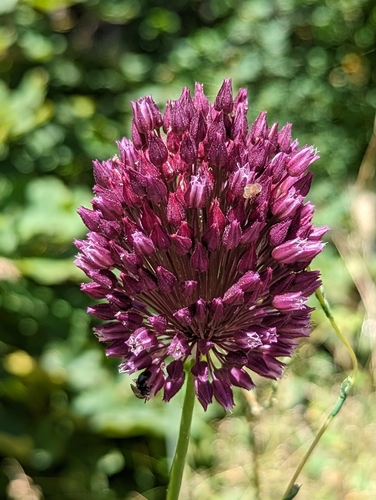
iNaturalist· cc-by-nc
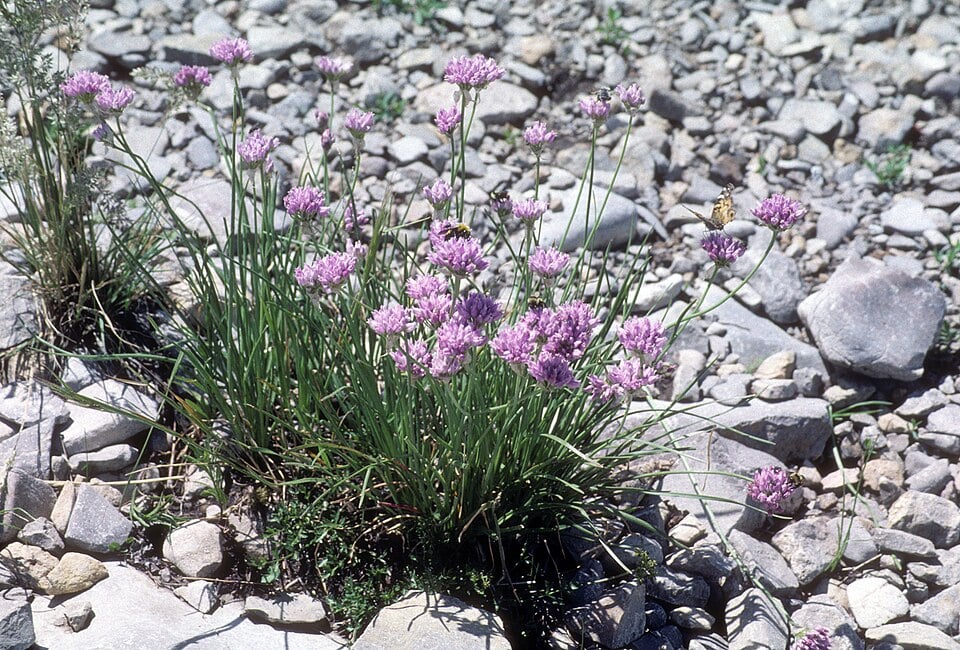
(c) vladimir_epiktetov, some rights reserved (CC BY-NC), uploaded by vladimir_epiktetov
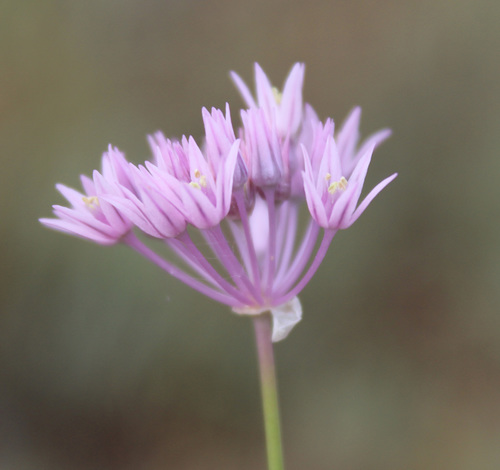
iNaturalist· cc-by-nc
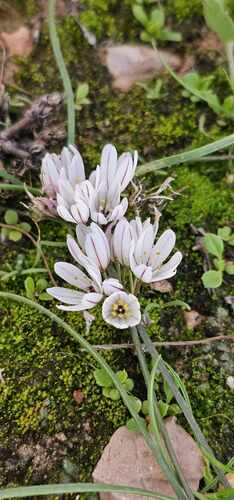
(c) Osmonali Bektemir, some rights reserved (CC BY-NC)
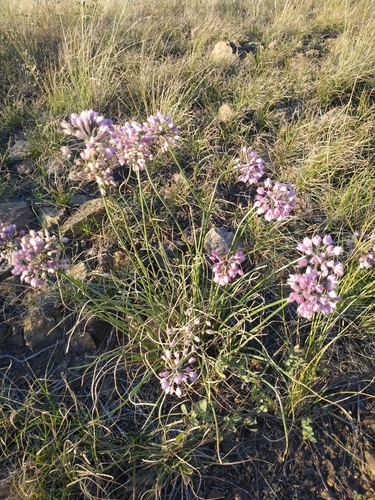
iNaturalist· cc-by-nc
(c) Osmonali Bektemir, some rights reserved (CC BY-NC)
Summary
Source: WikipediaAllium suworowii is a species of onion native to Afghanistan and Central Asia. It is a widely distributed and highly genetically variable species. It has gained the Royal Horticultural Society's Award of Garden Merit as an ornamental.
Description
An herb in the onion family (Amaryllidaceae) with edible bulbs and leaves, found in temperate regions.
This description is brief — help expand it
Edible Uses
The bulbs are soaked in water (changed daily for 40 days) and then marinated. The leaves are used for seasoning.
Traditional Uses
The bulbs are soaked in water which is changed every day for 40 days and then they are marinated. The leaves are used for seasoning.
This uses section is brief — help expand it
Distribution
It is a temperate plant.
Where It Grows
Central Asia, Slovenia, Tajikistan, Uzbekistan,
Notes
They have also been put in the family Alliaceae.
Synonyms
Also Known As
Anzur piozi, Anzur pijoz. Pioze anzur
References (4)
- Khassanov, F. O., 2007, Edible Alliums of Uzbekistan. in First Kazbegi workshop on "Botany, taxonomy and phytochemistry of wild Allium L. species of the Caucasus and Central Asia".
- Khojimatov, O. K. et al, 2015, Some wild growing plants in traditional foods of Uzbekistan. Journal of Ethnic Foods. 2 (2015) 25-28
- Seidemann J., 2005, World Spice Plants. Economic Usage, Botany, Taxonomy. Springer. p 26
- Soukand, R., et al, 2021, The trauma of no-choice: Wild food ethnobotany in Yaghnobi and Tajik villages, Varzob Valley, Tajikistan. Genetic Resources and Crop Evolution · December 2021