Allium cristophii
Trautv.
Star of Persia
iNaturalist· cc-by-nc-sa
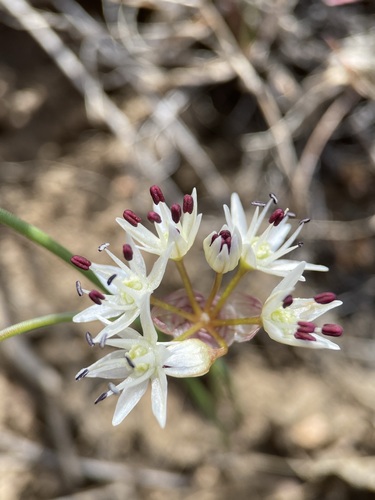
(c) Birgit Doesborg, some rights reserved (CC BY-NC-SA)
iNaturalist· cc-by-nc
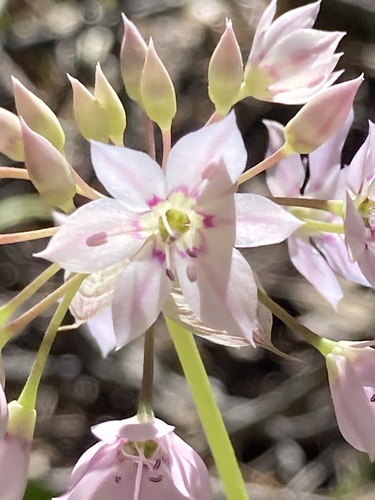
(c) Benoît Segerer, some rights reserved (CC BY-NC), uploaded by Benoît Segerer
iNaturalist· cc-by
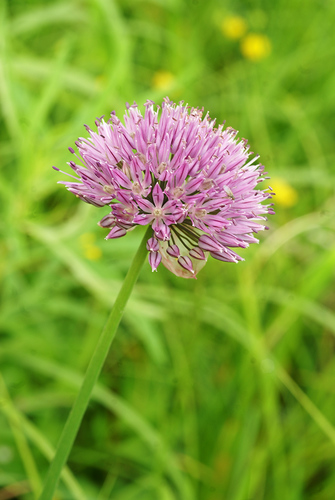
(c) H. Zell, some rights reserved (CC BY)
Summary
Source: WikipediaAllium cristophii, the Persian onion or star of Persia, is a species of flowering plant in the family Amaryllidaceae, native to Iran, Turkey, and Turkmenistan, though grown as an ornamental bulbous plant in many parts of the world. It may be sold under the synonym of Allium albopilosum. Star of Persia grows to 50 cm (20 in) and is cultivated in gardens for its large showy umbels of silvery pink star-shaped flowers, 20–25 cm (7.9–9.8 in) in diameter, which appear in early summer. The flowers are followed by attractive fruiting clusters. The plant has received the Royal Horticultural Society's Award of Garden Merit. A. cristophii performs best in sun to part shade. It is toxic to cats and dogs. It prefers sandy, gritty soil with good drainage, and is best suited to USDA hardiness zones 5–8.
Description
An onion family plant. It is a bulb plant. It grows to 20 cm high and 12 cm across.
This description is brief — help expand it
Edible Uses
The bulbs are eaten raw or cooked. The leaves are eaten raw or cooked. The flowers are used raw or to flavour salads.
Traditional Uses
The bulbs are eaten raw or cooked. The leaves are eaten raw or cooked. The flowers are used raw or to flavour salads.
This uses section is brief — help expand it
Distribution
It is a temperate plant. It grows naturally on gravely slopes in Iran and Russia.
Where It Grows
Australia, Iran, Middle East, Russia,
Cultivation
Plants can be grown from seed or by division of clumps. Bulbs should be planted fairly deeply.
Notes
There are about 300-700 Allium species. Most species of Allium are edible (Flora of China). All alliums are edible but they may not all be worth eating! They have also been put in the family Alliaceae.
Synonyms
References (2)
- Plants for a Future database, The Field, Penpol, Lostwithiel, Cornwall, PL22 0NG, UK. http://www.scs.leeds.ac.uk/pfaf/ (As Allium bodeanum)
- Trudy Imp. S.-Peterburgsk. Bot. Sada 3(2):238. 1875 (As Allium bodeanum)