Ajuga macrosperma
Wall. ex Benth.
Bugle
iNaturalist· cc-by-nc
(c) Phuentsho, some rights reserved (CC BY-NC), uploaded by Phuentsho
iNaturalist· cc-by-nc
(c) 通通, some rights reserved (CC BY-NC)
iNaturalist· cc-by-nc
(c) MP Zhou, some rights reserved (CC BY-NC)
Description
A herb. It can be erect or lie along the ground. It sometimes forms stolons. The stems are 15-40 cm tall. Young parts have white hairs. The leaves are oval and 4-10 cm long by 2-5 cm wide. The edges are wavy. There are 6-12 flowers in layers in the spike. The are in the axils of upper leaves. The flowers are tube shaped and blue.
Edible Uses
The leaves are used as a potherb and vegetable.
Traditional Uses
The leaves are used as a potherb.
This uses section is brief — help expand it
Distribution
It is a tropical and subtropical plant. It grows in shady areas and in limestone forests between 400-2,600 m above sea level. In Yunnan.
Where It Grows
Asia, Bangladesh, Bhutan, China, Himalayas, India, Indochina, Laos, Myanmar, Nepal, Northeastern India, SE Asia, Taiwan, Thailand, Vietnam,
Nutrition
| Part | Moisture | kJ | kcal | Protein | Vit A | Vit C | Iron | Zinc |
|---|---|---|---|---|---|---|---|---|
| Leaves | 88.6 | 179 | 43 | 2.6 | 39 | 13.1 | 2.8 | 0.5 |
Synonyms
Also Known As
Namdunghor, Nomdemghor, Sabarang
References (4)
- Murtem, G. & Chaudhrey, P., 2016, An ethnobotanical note on wild edible plants of Upper Eastern Himalaya, India. Brazilian Journal of Biological Sciences, 2016, v. 3, no. 5, p. 63-81
- Seidemann J., 2005, World Spice Plants. Economic Usage, Botany, Taxonomy. Springer. p 13
- Shaheen, N., et al, 2013, Food Composition Table for Bangladesh. University of Daka. p 33
- Srivastava, R. C., 2010, Traditional knowledge of Nyishi (Daffla) tribe of Arunachal Pradesh. Indian Journal of Traditional Knowledge. 9(1):26-37
More from Lamiaceae
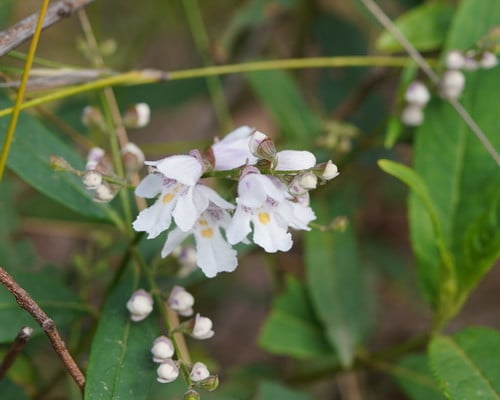
Prostanthera lasianthos
Victorian Christmas bush
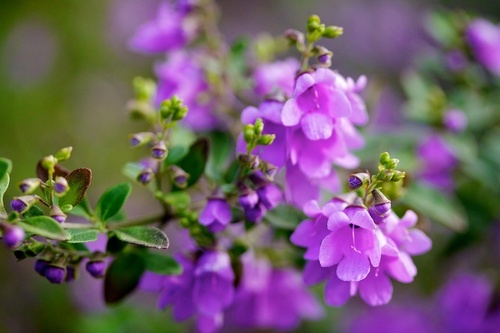
Prostanthera ovalifolia
Purple Mint-bush, Oval leafed mint bush
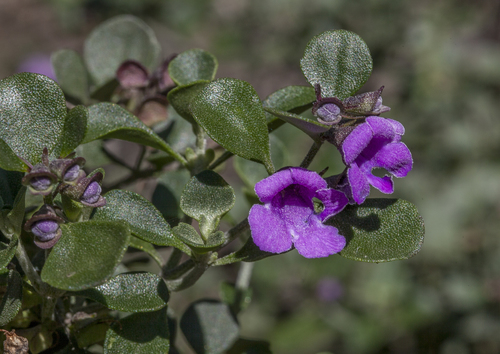
Prostanthera rotundifolia
Native mint, Round leafed mintbush, Australian mint bush
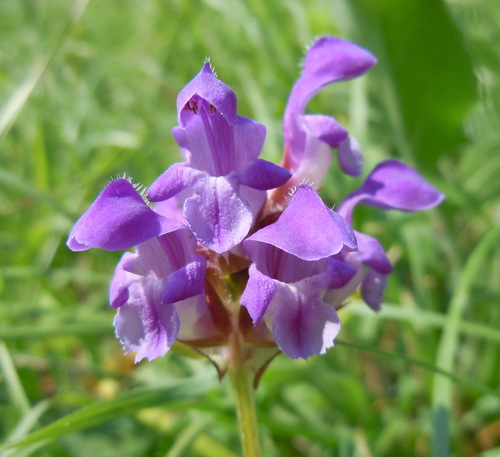
Prunella grandiflora
Bigflower Selfheal, Large Self-heal, Prunella Loveliness
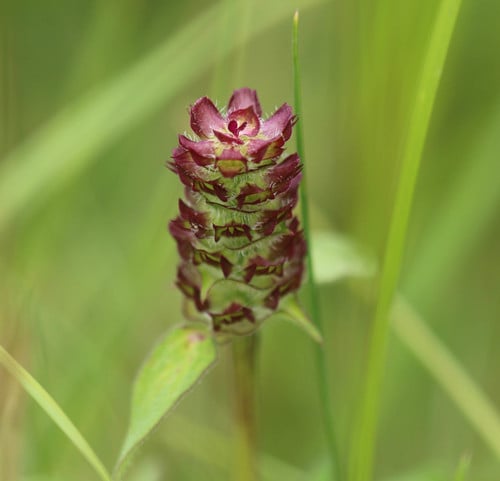
Prunella vulgaris
Self Heal, Healall, All-heal
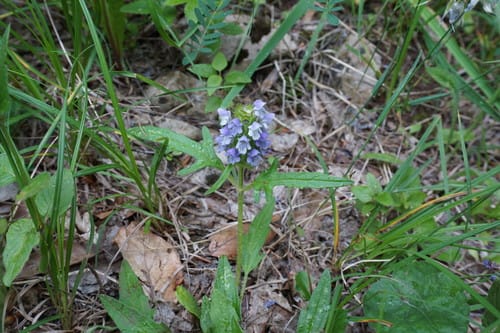
Prunella vulgaris subsp. asiatica
Carpenter Weed