Acacia aulacocarpa
Benth.
Hickory wattle, Brown salwood
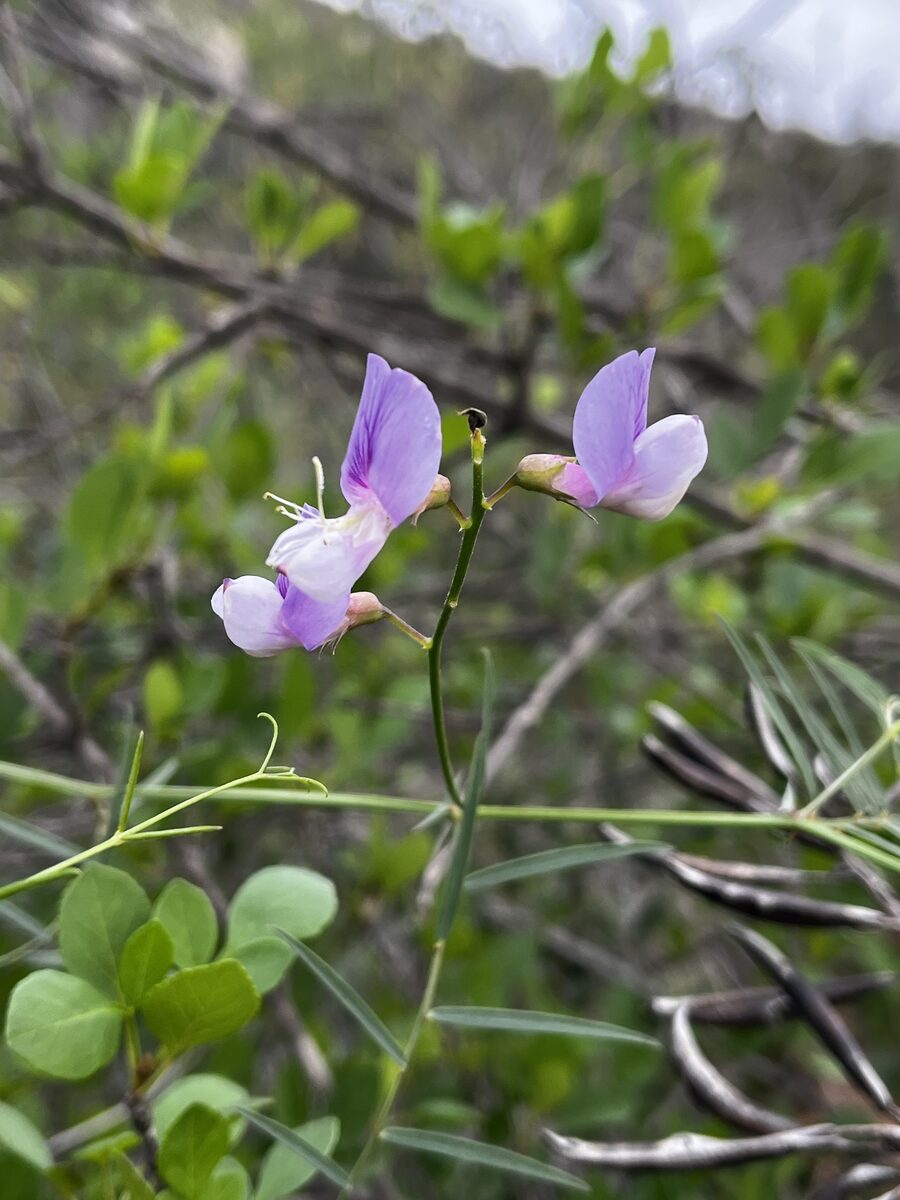
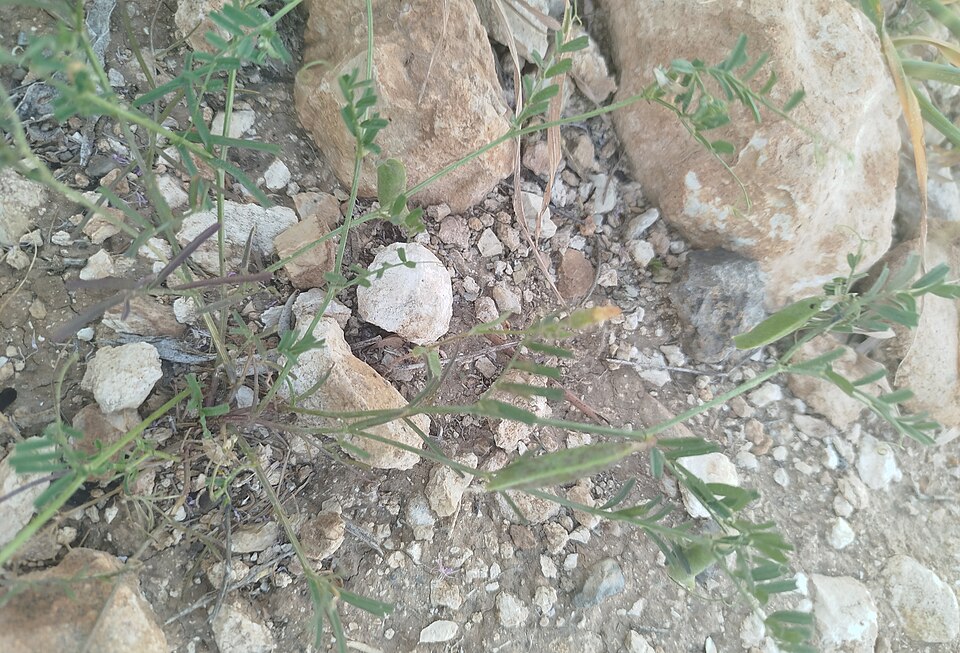
iNaturalist· cc-by
(c) elawrey, some rights reserved (CC BY), uploaded by elawrey
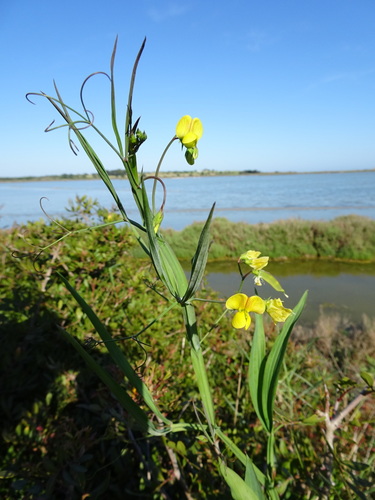
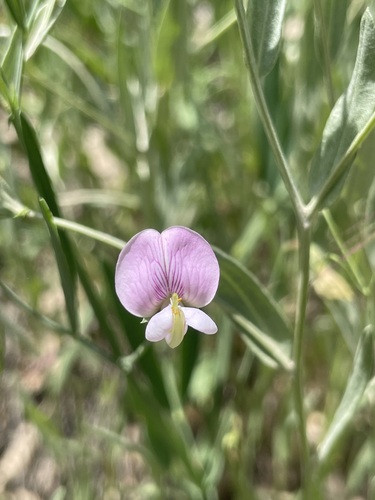
iNaturalist· cc-by-nc
(c) mickderrick, some rights reserved (CC BY-NC), uploaded by mickderrick
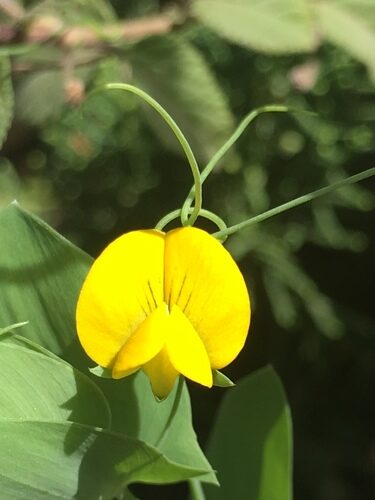
iNaturalist· cc-by-nc-sa
(c) Reiner Richter, some rights reserved (CC BY-NC-SA), uploaded by Reiner Richter
Summary
Source: WikipediaAcacia aulacocarpa, commonly known as Papua New Guinea brown wattle, New Guinea wattle, golden-flowered salwood or lancewood, is a species of flowering plant in the family Fabaceae and is native to New Guinea, Queensland and New South Wales. It is a shrub or tree, with elliptic to narrowly elliptic phyllodes, cylindrical heads of bright golden-yellow flowers, and narrowly oblong pods up to 80 mm (3.1 in) long.
Description
A shrub or small tree. It grows 5 m tall. There are prickles along the stem. The leaves are twice divided and there are 8-18 pairs of pinnae. There are up to 50 pairs of pinnules on each pinnae. The flowers are yellow. They are in large clusters at the ends of branches. The pods are flattened.
Edible Uses
The seeds are eaten.
Medicinal Uses
The bark of all Acacia species contains greater or lesser quantities of tannins and are astringent. Astringents are often used medicinally - taken internally, for example. they are used in the treatment of diarrhoea and dysentery, and can also be helpful in cases of internal bleeding. Applied externally, often as a wash, they are used to treat wounds and other skin problems, haemorrhoids, perspiring feet, some eye problems, as a mouth wash etc. Many Acacia trees also yield greater or lesser quantities of a gum from the trunk and stems. This is sometimes taken internally in the treatment of diarrhoea and haemorrhoids.
Known Hazards
Especially in times of drought, many Acacia species can concentrate high levels of the toxin Hydrogen cyanide in their foliage, making them dangerous for herbivores to eat.
Distribution
It is a tropical plant.
Where It Grows
Australia, Indonesia, Papua, Papua New Guinea, PNG, SE Asia,
Cultivation
It can be grown from treated seeds.
Propagation
Seed - requires pre-treatment to break down the hard coat. Pouring a small amount of boiling water over the seeds (which cools down quickly and so does not cook the seed), and then leaving to soak for 12 hours is usually effective, as is making a small incision in the coat to allow water to penetrate. Mature seeds germinate readily. Treated seeds are sown in germination beds, and seedlings are transplanted into polythene bags when they reach the 2-leaf-pair stage. Seeds can also be sown straight into polythene bags. Young seedlings should initially be kept at 50% sunlight, but this can be increased to 70% once they have been established. Excess shading often results in attack by mildew and other fungi in damping off. Adult foliage is reached about 6 weeks after germination. In general, the seedlings are ready for transplanting 3 - 4 months after sowing. Acacia seeds that have matured fully on the bush and have been properly dried have a hard seed coat and can be stored in closed containers without deterioration for 5 - 10 years or more in dry conditions at ambient temperatures. It is best to remove the aril, which attracts weevils and can lead to moulds forming. The arils are easilyremoved by placing the seeds in water and rubbing them between the hands, then drying the seeds and winnowing them. Cuttings. Air layering.
Other Uses
The inner bark is a source of tannins. Bark harvested for its tannins should only be taken from mature stems, and only when the sap is rising at the beginning of the growing season - which is when the tannin content is highest and the bark is most easily removed from the wood. The heartwood is a pale olive-brown to grey-brown, often attractively streaked with grey bands; it is distinctly demarcated from the narrow band of creamy yellow to straw-coloured sapwood. The wood is hard, heavy, moderately durable and tough. It is used as a construction timber, for furniture and cabinetwork, flooring, boat building, tool handles, boxes and crates, joinery and turnery. The wood has excellent potential as a source of fibre for the pulping and paper-making industries, producing one of the strongest bleached kraft pulps among acacias. The wood dries rapidly and splits easily. It is an excellent fuel with an energy value of 21,600 kJ/kg. Charcoal made from the wood has a density of 500 kg/cubic metre at 12.5% moisture and an energy value of 37 100 kJ/kg. With its light to moderate crown and ability to fix atmospheric nitrogen, this species is a useful shade tree for plantations. It is also a popular species for the reforestation of poor soils.
Notes
Also as Mimosaceae.
Synonyms
Also Known As
Golden-flowered salwood
References (1)
- Melzer, R. & Plumb, J., 2011, Plants of Capricornia. Belgamba, Rockhampton. p 183