Vaccinium minus
Vorosch.
Low-bush cranberry, Mountain cranberry
iNaturalist· cc-by-nc
(c) Андрей Ровинский, some rights reserved (CC BY-NC)
iNaturalist· cc-by-nc
(c) Julia, some rights reserved (CC BY-NC)
iNaturalist· cc-by-nc
(c) clnoll, some rights reserved (CC BY-NC)
Description
A small evergreen and low shrub. It grows 3-8 cm high. It has long rootstocks. It spreads close to the ground. The leaves are small, round compact and leathery. The leaves are dark green and shiny on the upper surface and more pale and with black dots underneath. The leaves over-winter under the snow. In autumn the leaves turn dark reddish-brown. The flowers are small and pink. They droop in clusters of 2 to 5. The fruit are bright red berries 5-8 mm across.
Edible Uses
The fruit are eaten and have a sour taste.
Traditional Uses
The fruit have a sour taste.
This uses section is brief — help expand it
Distribution
It is a cold temperate plant. It grows in the moist tundra in Alaska.
Where It Grows
Alaska, North America, Russia, Siberia, USA,
Dangerous Lookalikes
This plant can be confused with the following toxic species. Always verify identification carefully before consuming any wild plant.
Deadly Nightshade
Atropa belladonna
Joan Simon from Barcelona, España
Low-bush cranberry
Vaccinium minus
(c) Андрей Ровинский, some rights reserved (CC BY-NC)
Deadly Nightshade: Tall herbaceous plant (1-2m), single shiny black cherry-sized berries, star-shaped calyx, large oval leaves, sweet but dangerous taste.
Low-bush cranberry: Low woody shrub, berries in clusters with crown/remnant calyx ring, sweet taste.
Synonyms
Also Known As
Kimminait, Kitmik
References (3)
- Ager, T. A. & Ager, L. P., 1980, Ethnobotany of the eskimos of Nelson Island, Alaska. Arctic Anthropology Vol 17. No. 1 pp 26-48 (As Vaccinium vitis-idaea subsp. minus)
- Ainana, L. & Zagrebin, I., 2014, Edible Plants Used by the Siberian Yupik Eskimos of Southeastern Chukotka Peninsula, Russia, (English translation). p 24
- Mullory, C. & Aitken, S., 2012, Common Plants of Nunavut. Inhabit Media p 174 (As Vaccinium vitis-idaea subsp. minus)
More from Ericaceae
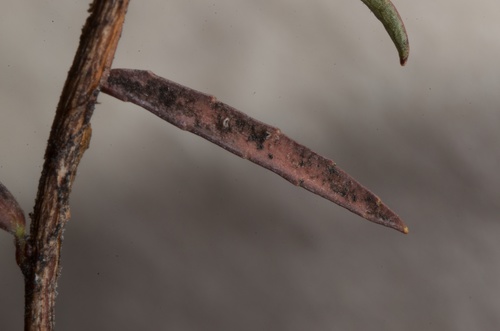
Gaultheria macrostigma
Prostrate snowberry, False snowberry
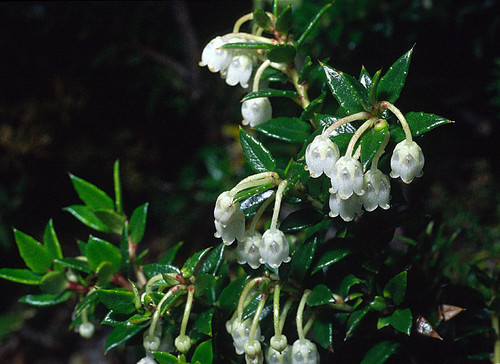
Gaultheria mucronata
Prickly heath
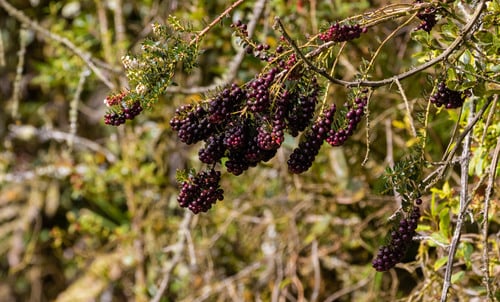
Gaultheria myrsinoides
Manzana
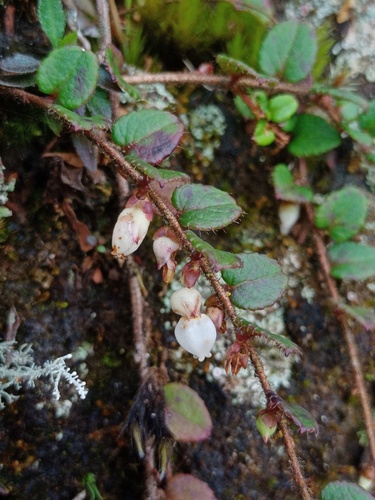
Gaultheria nummularioides
Coinwort snowberry
Gaultheria ovatifolia
Mountain checkerberry, Western Teaberry, Slender false-wintergreen
Gaultheria procumbens
Wintergreen, Checkerberry, Teaberry