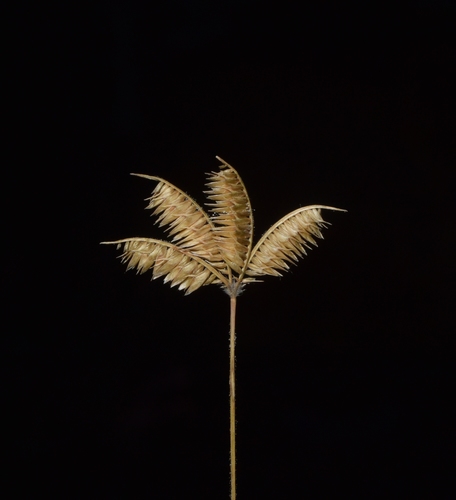
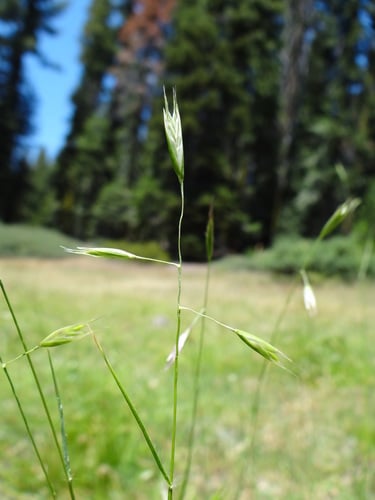
Chimonobambusa callosa
(Munro) Nakai
iNaturalist· cc-by-nc
(c) Brian Johnson, some rights reserved (CC BY-NC)
iNaturalist· cc-by-nc
(c) Brian Johnson, some rights reserved (CC BY-NC)
iNaturalist· cc0
no rights reserved
Description
A subtropical bamboo that grows at high altitudes. It produces edible young shoots that are harvested and cooked, often prepared together with meat.
This description is brief — help expand it
Edible Uses
The young shoots are cooked and eaten, typically prepared with meat.
Traditional Uses
The young shoots are cooked and eaten. They are cooked with meat.
This uses section is brief — help expand it
Distribution
It is a subtropical plant. It grows at high altitudes above sea level.
Where It Grows
Asia, Bhutan, India, Myanmar, Northeastern India, SE Asia,
Production
In NE India shoots are available September to November.
Other Information
It is a popular bamboo shoot.
Synonyms
Also Known As
Chiteba, Laiwa, Leivah, Ngatha, Ngth, Pangki, Phar, Spar, Sypar, Teiba, Uskong, Uspar, Zuanmuat
References (11)
- Devi, O.S., P. Komor & D. Das, 2010, A checklist of traditional edible bio-resources from Ima markets of Imphal Valley, Manipur, India. Journal of Threatened Taxa 2(11): 1291-1296
- Guite, C., 2016, A study of wild edible plants associated with the Paite tribe of Manipur, India, International Journal of Current Research. Vol. 8, Issue, 11, pp. 40927-40932 (As Arundinaria callosa)
- Kar, A., et al, 2013, Wild Edible Plant Resources used by the Mizos of Mizoram, India. Kathmandu University Journal of Science, Engineering and Technology. Vol. 9, No. 1, July, 2013, 106-126
- Konsam, S., et al, 2016, Assessment of wild leafy vegetables traditionally consumed by the ethnic communities of Manipur, northeast India. Journal of Ethnobiology and Ethnomedicine, 12:9
- Kumari, P, 2019, Bambusoideae in India: An Updated Enumeration. Plantae Scientia : Volume 01, Issue 06, March 2019
Show all 11 references Hide references
- Meitei, L. R., et al, 2022, An ethnobotanical study on the wild edible plants used by forest dwellers in Yangoupokpi Lokchao Wildlife Sanctuary, Manipur, India. Ethnobotany Research and Application 23:15
- Pfoze, N. L., et al, 2012, Assessment of Local Dependency on Selected Wild Edible Plants and fruits from Senapati district, Manipur, Northeast India. Ethnobotany Research & Applications 10:357-367
- Pfoze, N. L., et al, 2012, Survey and assessment of floral diversity on wild edible plants from Senapati district of Manipur, Northeast India. Journal or Biodiversity and Environmental Sciences. 1(6):50-52
- Premlata, T., et al, 2020, Edible bamboo resources of Manipur: consumption pattern of young shoots, processing techniques and their commercial status in the local market. Indian Journal of Traditional Knowledge Vol. 19(1) pp 73-82
- Singh, P., et al, 2019 Plants of Indian Himalayan region. Part 1 Botanical Surbey of India. p 32
- Waikhom, S. D., et al, 2013, Grappling the High Altitude for Safe Edible Bamboo Shoots with Rich Nutritional Attributes and Escaping Cyanogenic Toxicity. BioMed Reserch International. Voluyme 2013 Article ID 289285, 11 pages