Trisetum spicatum
(L.) K. Richter
Bristle grass, Spike trisetum
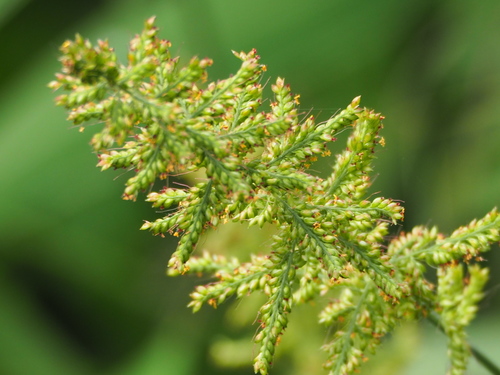
iNaturalist· cc-by-nc
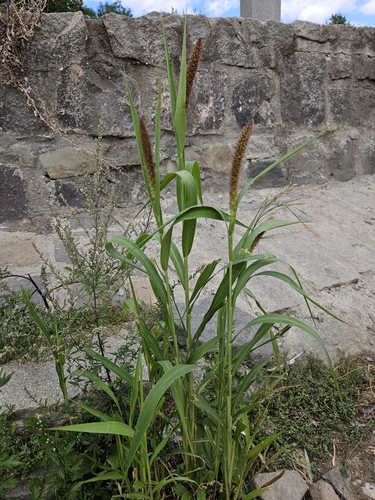
(c) Sean Blaney, some rights reserved (CC BY-NC)
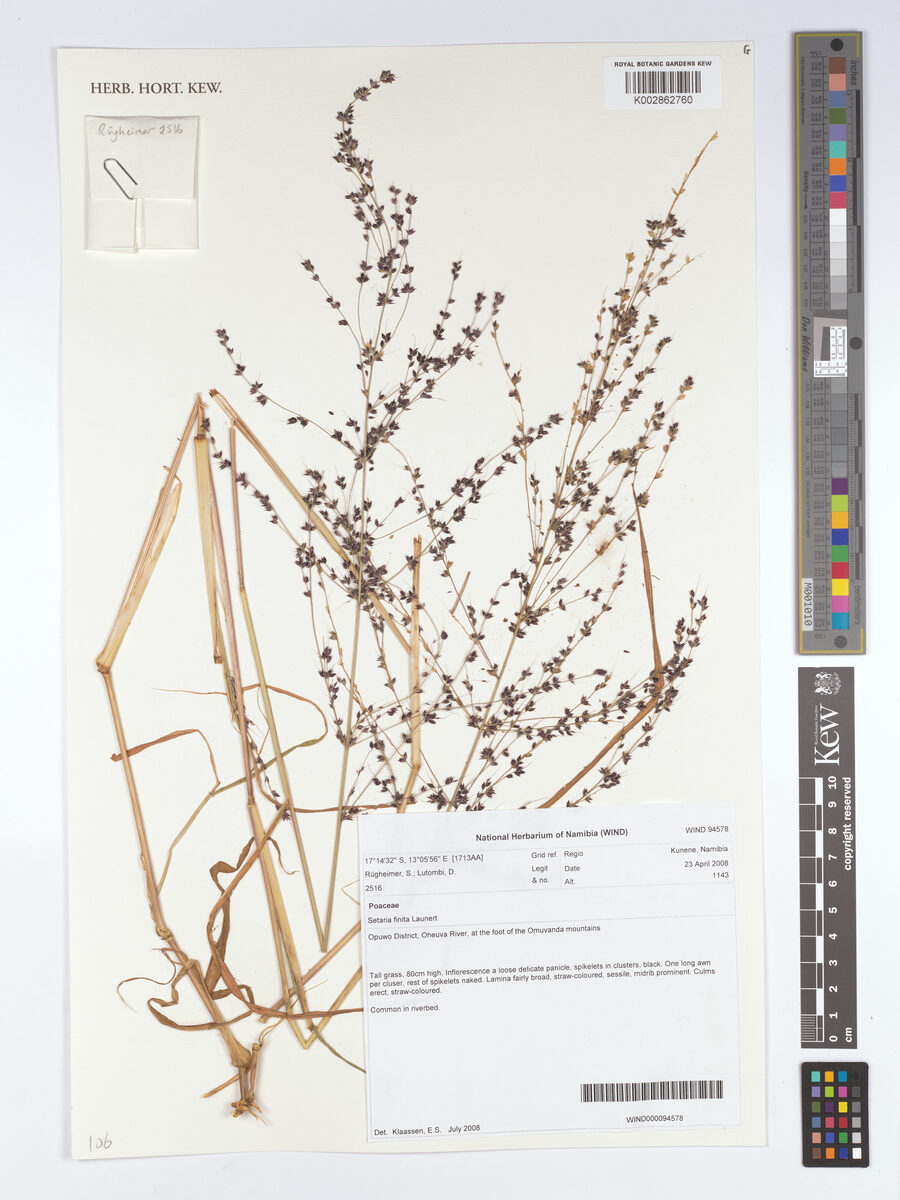
iNaturalist· cc-by-nc
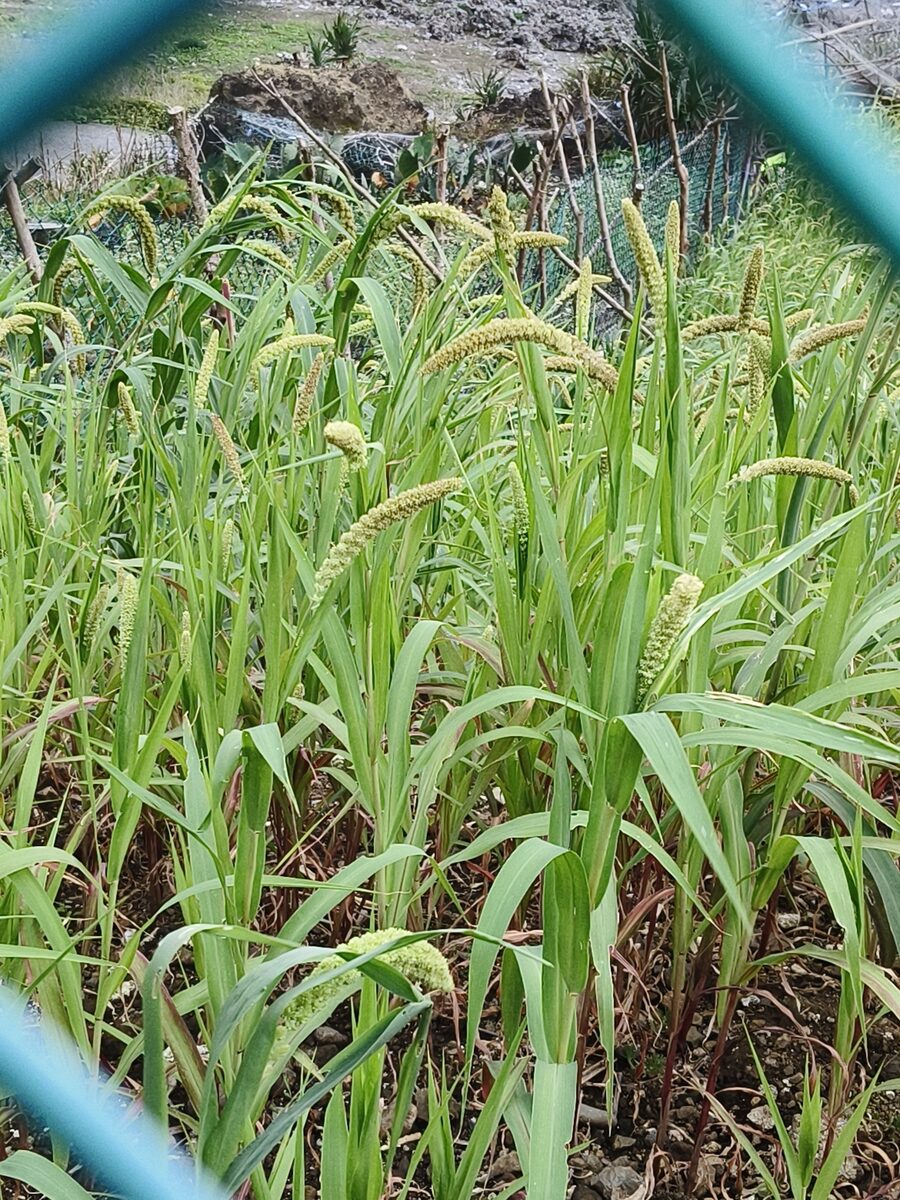
(c) Sean Blaney, some rights reserved (CC BY-NC)
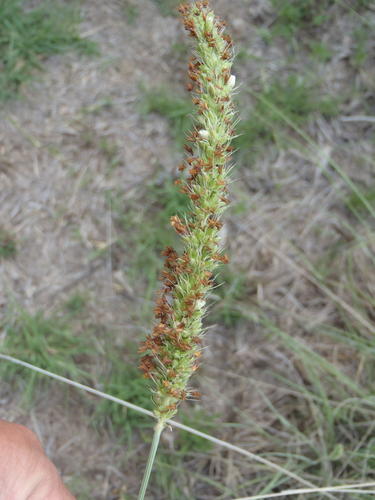
iNaturalist· cc-by-nc
(c) Blaine T. Spellman, some rights reserved (CC BY-NC)
Summary
Source: WikipediaTrisetum spicatum is a species of grass known by the common name spike trisetum and spike false oat. It is native to North America, Eurasia, and South America. In North America it occurs throughout northern regions, including northern sections of the United States and most all of Canada, its range continuing to Greenland. It is widespread throughout the Canadian Arctic Islands. The grass occurs in a variety of Arctic and alpine habitat types, as well as many types of mountainous habitat in regions further south. It is a perennial grass forming clumps of upright stems ranging in height from a few centimeters to over one meter. The narrow leaves are mostly located around the bases of the densely clumped stems. The inflorescence is a narrow spike a few centimeters long or up to 30 to 50 centimeters in maximum length. The spikes are green to purple or brownish and shiny.
Description
A grass. It keeps growing from year to year. It forms tufts. It grows 8-50 cm high. It has hairs. The leaf blades are 4-10 cm long by 1-4 mm wide. The flowers panicle is oval and dense but can be interrupted.
Edible Uses
The seed is edible. No further details are recorded, though it is likely used as a piñole or ground into a powder and mixed with cereals when making bread.
Medicinal Uses
None known
Distribution
It is a temperate plant. It grows in alpine regions in the Northern Hemisphere. In Pakistan it grows between 3,000-6,000 m altitude. In China it grows in alpine meadows and glacial moraines between 1,900-5,600 m above sea level. The variety australiensis grows in the highlands in Tasmania. In Argentina it grows from sea level to 4,700 m above sea level.
Where It Grows
Afghanistan, Argentina Australia, Asia, Bhutan, Caucasus, Central America*, Central Asia, Chile, China, Dominican Republic, Europe, Falklands, Haiti, Himalayas, India, Iran, Japan, Kazakhstan, Korea, Kyrgyzstan, Korea, Lapland, Mexico*, Middle East, Mongolia, Nepal, North America, Pakistan, Russia, South America*, Taiwan, Tajikistan, Tasmania, Tibet, USA, Uzbekistan, West Indies*,
Propagation
No specific information is available for this species. It is suggested to sow seed in a cold frame in early spring, only just covering it, and not allowing the compost to dry out. When large enough to handle, prick seedlings out into individual pots and grow them on in the greenhouse for at least their first winter. Plant out into permanent positions in late spring or early summer, after the last expected frosts.
Other Uses
None known Special Uses
Notes
There are about 60 Trisetum species.
Synonyms
References (9)
- Ambasta, S.P. (Ed.), 2000, The Useful Plants of India. CSIR India. p 653
- Beckstrom-Sternberg, Stephen M., and James A. Duke. "The Foodplant Database." http://probe.nalusda.gov:8300/cgi-bin/browse/foodplantdb.(ACEDB version 4.0 - data version July 1994)
- Curtis, W.M., & Morris, D.I., 1994, The Student's Flora of Tasmania. Part 4B St David's Park Publishing, Tasmania, p 239
- Flora of Pakistan. www.eFloras.org
- Lazarides, M. & Hince, B., 1993, Handbook of Economic Plants of Australia, CSIRO. p 242
Show all 9 references Hide references
- Pl. eur. 1:59. 1890
- Plants of Haiti Smithsonian Institute http://botany.si.edu/antilles/West Indies
- Tasmanian Herbarium Vascular Plants list p 90
- Upson, R., & Lewis R., 2014, Updated Vascular Plant Checklist and Atlas for the Falkland Islands. Falklands Conservation and Kew.