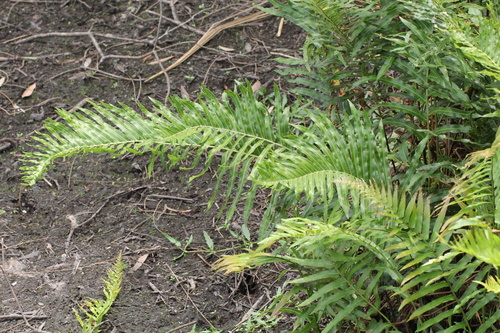
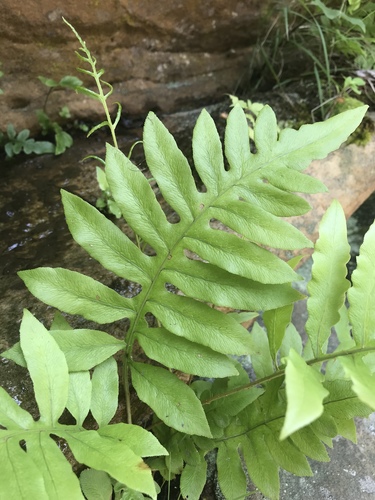
Woodwardia virginica
(L.) Sm.
iNaturalist· cc-by-nc
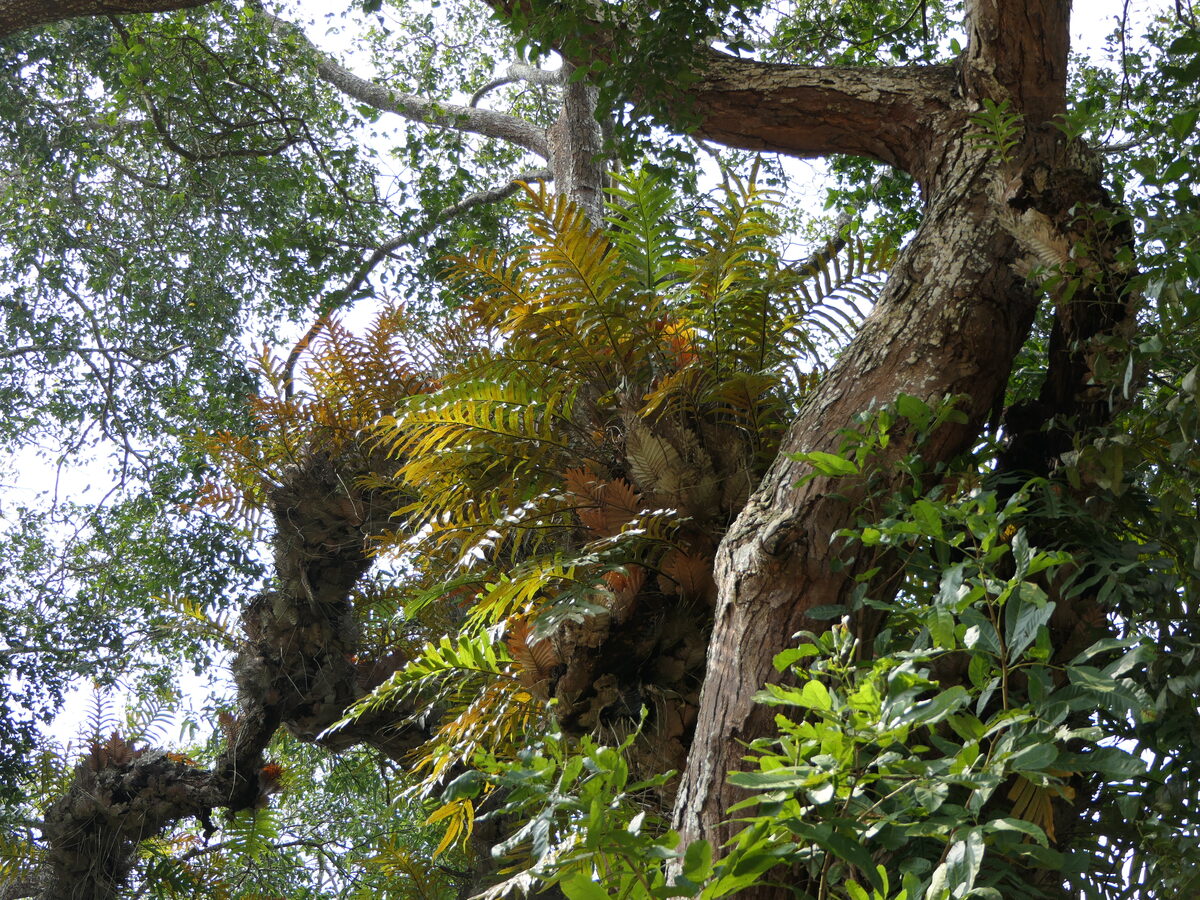
(c) Paul Norwood, some rights reserved (CC BY-NC), uploaded by Paul Norwood
iNaturalist· cc-by
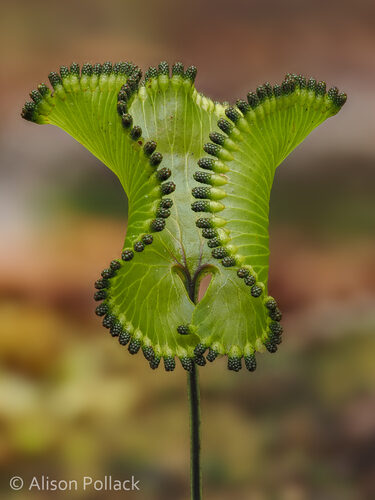
(c) Michael J. Papay, some rights reserved (CC BY), uploaded by Michael J. Papay
iNaturalist· cc-by-nc
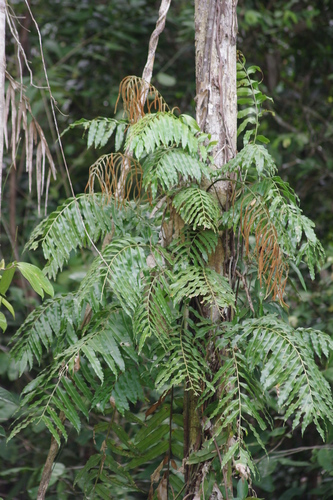
(c) mhough, some rights reserved (CC BY-NC), uploaded by mhough
Summary
A deciduous fern reaching 0.4 meters tall and wide at a medium rate, hardy to UK zone 4. It adapts to light sandy, medium loamy, and heavy clay soils with mildly acid to neutral pH and grows well in semi-shade in moist or wet conditions. Wind-pollinated and noted for attracting wildlife.
Description
A deciduous fern reaching 0.4 meters tall and wide at a medium rate, hardy to UK zone 4. It adapts to light sandy, medium loamy, and heavy clay soils with mildly acid to neutral pH and grows well in semi-shade in moist or wet conditions. Wind-pollinated and noted for attracting wildlife.
Edible Uses
None known.
Medicinal Uses
None known.
Distribution
It is a temperate plant. It suits hardiness zones 3-10.
Where It Grows
USA,
Propagation
Propagate by spores or rhizome division.
Other Uses
Forms a good high density groundcover suited to wet and shady sites. Well suited to shade gardens, native plant gardens, woodland gardens, naturalized areas, and alongside streams and ponds. Provides shelter for frogs, toads, and newts.
Synonyms
References (1)
- Jackes, D. A., 2007, Edible Forest Gardens