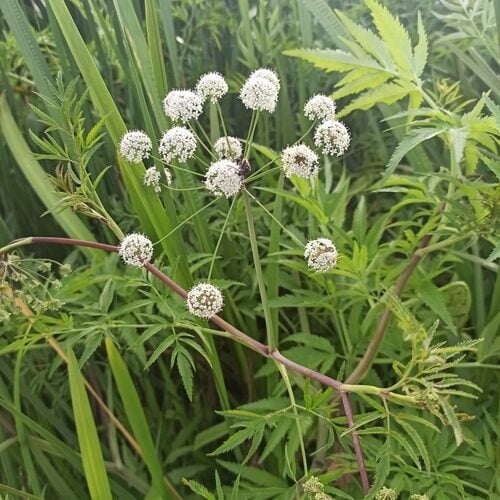
Thaspium barbinode
(Michx.) Nutt.
iNaturalist· cc-by
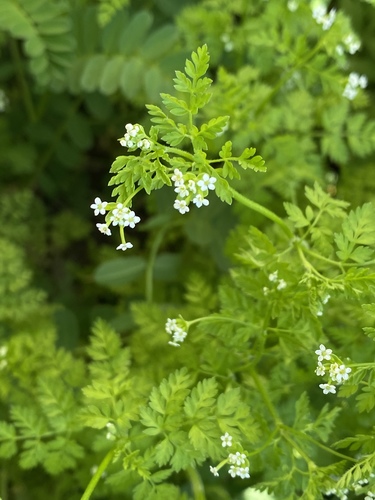
(c) Michael J. Papay, some rights reserved (CC BY), uploaded by Michael J. Papay
iNaturalist· cc-by-nc
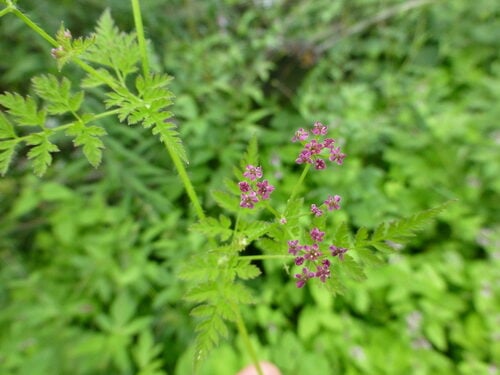
(c) Link Davis, some rights reserved (CC BY-NC), uploaded by Link Davis
iNaturalist· cc-by-nc-sa
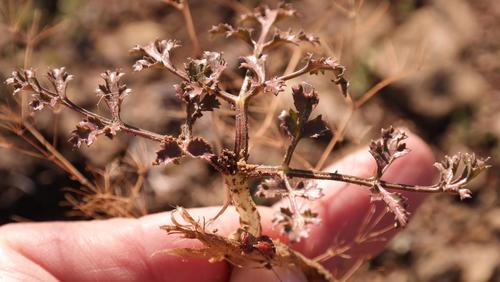
(c) Rob Curtis, some rights reserved (CC BY-NC-SA), uploaded by Rob Curtis
Summary
Source: WikipediaThaspium barbinode, known by the common names of bearded meadow-parsnip and hairy-jointed meadow-parsnip, is a member of the carrot family, Apiaceae. It is a perennial herb, native to the eastern United States, from eastern Texas to southeastern Wisconsin and the Florida panhandle to southern New York. Compared to Thaspium chapmanii, the herb is shorter, and has similar bright yellow flowers.
Description
Thaspium barbinode is a perennial growing to 1.2 meters tall and 0.5 meters wide at a medium rate. Hardy to UK zone 5, it adapts to light sandy, medium loamy, and heavy clay soils with good drainage. The plant grows in semi-shade or full sun across mildly acidic to basic pH ranges and prefers moist soil. It is notably attractive to wildlife.
Edible Uses
None known
Medicinal Uses
None known
Distribution
It is a temperate plant. It suits hardiness zone 4.
Where It Grows
North America, USA,
Propagation
Seed
Other Uses
The plant provides shelter for insects and other arthropods, and supplies nectar and pollen for beneficial insects. The flowers attract a wide range of insects, particularly short-tongued bees, wasps, flies, and beetles. The caterpillars of the Black Swallowtail butterfly (Papilio polyxenes asterias) feed on the foliage and flowers. The plant is not known to be toxic and is probably consumed occasionally by various mammalian herbivores, though information on this is limited.
Synonyms
References (1)
- Jackes, D. A., 2007, Edible Forest Gardens