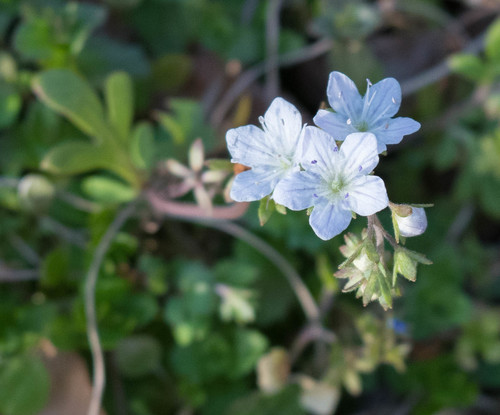
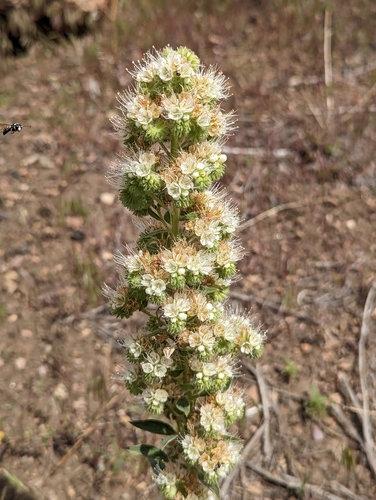
Symphytum grandiflorum
DC.
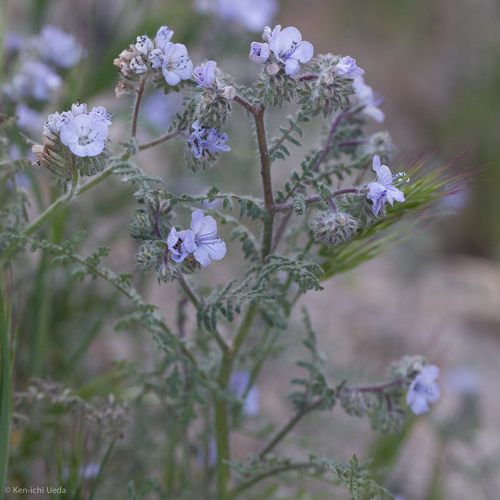
iNaturalist· cc-by-nc
(c) Svetlana Nesterova, some rights reserved (CC BY-NC), uploaded by Svetlana Nesterova
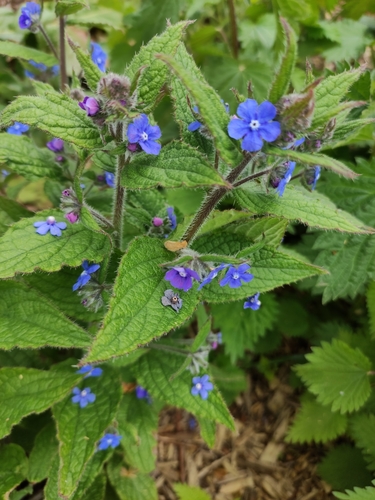
iNaturalist· cc-by
(c) Mark, some rights reserved (CC BY), uploaded by Mark
iNaturalist· cc-by-nc
(c) Svetlana Nesterova, some rights reserved (CC BY-NC), uploaded by Svetlana Nesterova
Summary
Source: WikipediaSymphytum grandiflorum, the creeping comfrey, or running comfrey is a species of flowering plant in the family Boraginaceae. It is native to the Caucasus region, and introduced to various locales in Europe as a garden escapee. A deer-tolerant perennial, it is hardy in USDA zones 5 through 8, and is recommended for borders and shady situations. The unimproved species and a number of cultivars are commercially available. Also, it has been crossed with Russian comfrey (Symphytum × uplandicum) to produce the multi-cross hybrid Hidcote comfrey (Symphytum × hidcotense, named after the Hidcote Manor Garden)), of which a range of ornamental cultivars are available. The official first formal scientific species description was published in 1846 by the Swiss botanist Alphonse Pyramus de Candolle (1806–1893). The specific epithet grandiflorum means "with large flowers".
Description
A fast-growing perennial reaching 0.4m tall and 0.6m wide, hardy to UK zone 5. Flowers bloom April to May with seed ripening June to July. Hermaphroditic and bee-pollinated. Tolerates light sandy, medium loamy, and heavy clay soils across a broad pH range from mildly acidic to mildly alkaline. Grows in full to semi-shade and prefers moist conditions.
Edible Uses
No edible uses are known for this species.
Medicinal Uses
None known
Known Hazards
No reports of toxicity have been seen for this species, but the following reports have been seen for S. officinale. This plant contains small quantities of a toxic alkaloid which can have a cumulative effect upon the liver. Largest concentrations are found in the roots, leaves contain higher quantities of the alkaloid as they grow older and young leaves contain almost none. Most people would have to consume very large quantities of the plant in order to do any harm, though anyone with liver problems should obviously be more cautious. In general, the health-promoting properties of the plant probably far outweigh any possible disbenefits, especially if only the younger leaves are used.
Distribution
It is a temperate plant. It suits hardiness zones 3-9.
Where It Grows
Caucasus, Georgia, USA,
Cultivation
Tolerates most soils and situations but prefers a moist soil and some shade. Grows well in heavy clay soils. Grows well under trees. There are some named varieties, selected for their ornamental value. Plants can be invasive, often spreading freely by means of self-sown seed. The root system is very deep and difficult to eradicate, even small fragments of root left in the soil can produce new plants.
Propagation
Sow seed in spring or autumn in a cold frame. Prick seedlings into individual pots once large enough to handle and grow on in the greenhouse through their first winter. Plant out in late spring or early summer after the last expected frosts. With sufficient seed, an outdoor sowing in situ in spring can be attempted. Division works at almost any time of year — chop off the top 7cm of root just below soil level with a spade. The original root will regrow, and each of the removed root tops can be potted up or planted directly into a permanent position.
Other Uses
This species makes a very effective ground cover plant, spreading rapidly to form a dense carpet by rooting as it spreads; plants should be spaced about 60cm apart in each direction. It functions as a dynamic accumulator, drawing minerals and nutrients from the soil and storing them in a more bioavailable form, making it useful as a fertilizer or mulch improver. It also provides shelter for insects, acts as a nectary, and can serve as a green mulch. It has been noted as food for sheep and chickens.
Other Information
Leaves are sold in local markets.
Notes
It is an unresolved name in The Plant List.
Dangerous Lookalikes
This plant can be confused with the following toxic species. Always verify identification carefully before consuming any wild plant.
Foxglove
Digitalis purpurea
Jörg Hempel
Symphytum grandiflorum
Symphytum grandiflorum
(c) Svetlana Nesterova, some rights reserved (CC BY-NC), uploaded by Svetlana Nesterova
Foxglove: Soft velvety hairy leaves, tall spike of tubular purple/pink spotted flowers, leaves feel like soft felt.
Symphytum grandiflorum: Rough/bristly hairy leaves, purple/blue drooping bell flowers, leaves feel like sandpaper.
Also Known As
Kalshava, Lashkara
References (3)
- Bussman, R. W., et al, 2021, Unity in diversity—food plants and fungi of Sakartvelo (Republic of Georgia), Caucasus. Journal of Ethnobiology and Ethnomedicine (2021) 17:72 p 7
- Jackes, D. A., 2007, Edible Forest Gardens
- Luczaj, L. et al, 2017, Comfrey and Buttercup Eaters: Wild Vegetables of the Imereti Region in Western Georgia, Caucasus. Economic Botany, 71(2), 2017, pp. 188–193