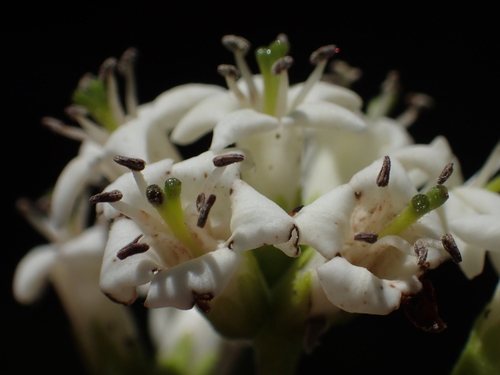
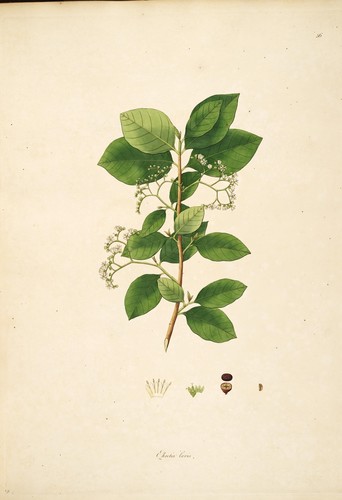
Cordia curassavica
(Jacq.) Roem. & Schult.
Kuyus
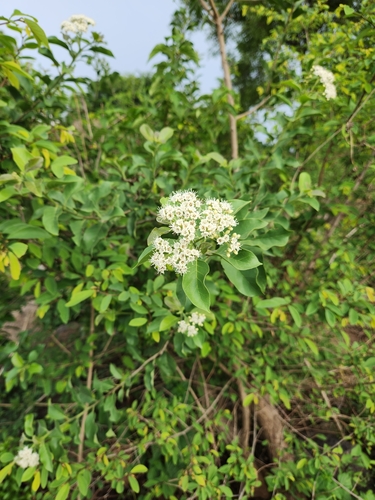
iNaturalist· cc-by-nc
(c) Leonardo Rebello, some rights reserved (CC BY-NC)
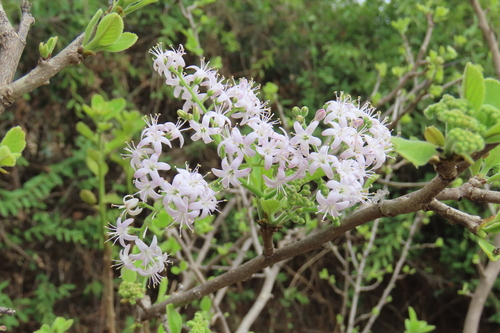
iNaturalist· cc-by
(c) Victor Farjalla Pontes, some rights reserved (CC BY)
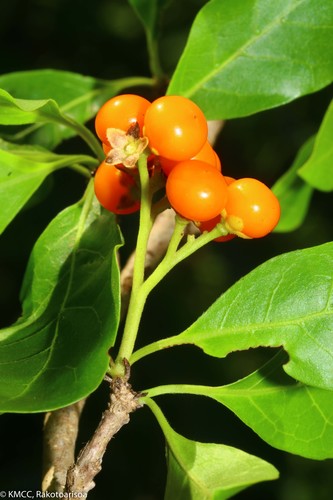
iNaturalist· cc-by
(c) Victor Farjalla Pontes, some rights reserved (CC BY)
Description
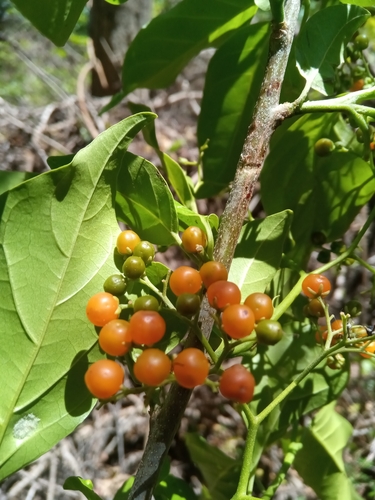
A herb or shrub. It grows 3 m tall. The leaves are alternate and narrowly sword shaped. There are teeth along the edges. They are 13 cm long by 5 cm wide. The fruit is fleshy and 4-6 mm long and 3.5-5 mm wide. They are pink to red with one seed.
Edible Uses
Both the leaves and fruit are eaten.
Distribution
A tropical plant.
Where It Grows
Brazil, Central America, Christmas Island, Curacao, Guatemala, Guiana, Guianas, Guyana, Mexico, Nicaragua, South America, Suriname, Venezuela,
Notes
There are about 300 Cordia species.
Synonyms
Also Known As
Ak-shev, Erva-baleeira, Nemax, Riskupata
References (6)
- Coe, F. G., and Anderson, G. J., 1996, Ethnobotany of the Garifuna of Eastern Nicaragua. Economic Botany 50(1) pp 71-107
- Coe, F. G. & Anderson, G. J., 1997, Ethnobotany of the Miskitu of Eastern Nicaragua. Journal of Ethnobiology 17(2): 171-214
- Coe, F. G. and Anderson, G. J., 1999, Ethnobotany of the Sumu (Ulwa) of Southeastern Nicaragua and Comparisons with Miskitu Plant Lore. Economic Botany Vol. 53. No. 4. pp. 363-386
- Kinupp, V. F., 2007, Plantas alimenticias nao-convencionais da regiao metropolitana de Porto Alegre, RS, Brazil p 69 (As Cordia verbenacea)
- Syst. veg. 4:460. 1819
Show all 6 references Hide references
- World Checklist of Useful Plant Species 2020. Royal Botanic Gardens, Kew (As Varronia curassavica)