Hirtella racemosa
Lam.
iNaturalist· cc-by-nc
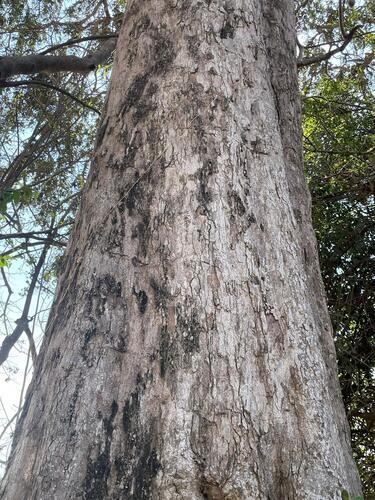
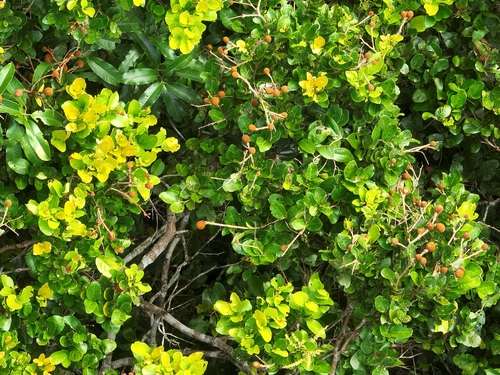
(c) Frederico Acaz Sonntag, some rights reserved (CC BY-NC), uploaded by Frederico Acaz Sonntag
iNaturalist· cc-by-nc
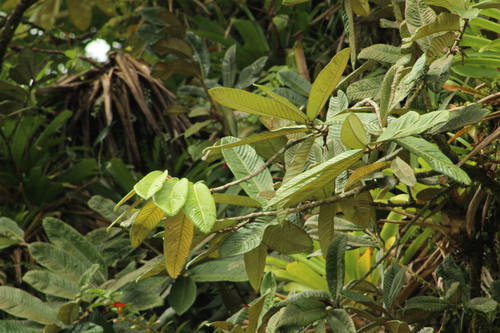
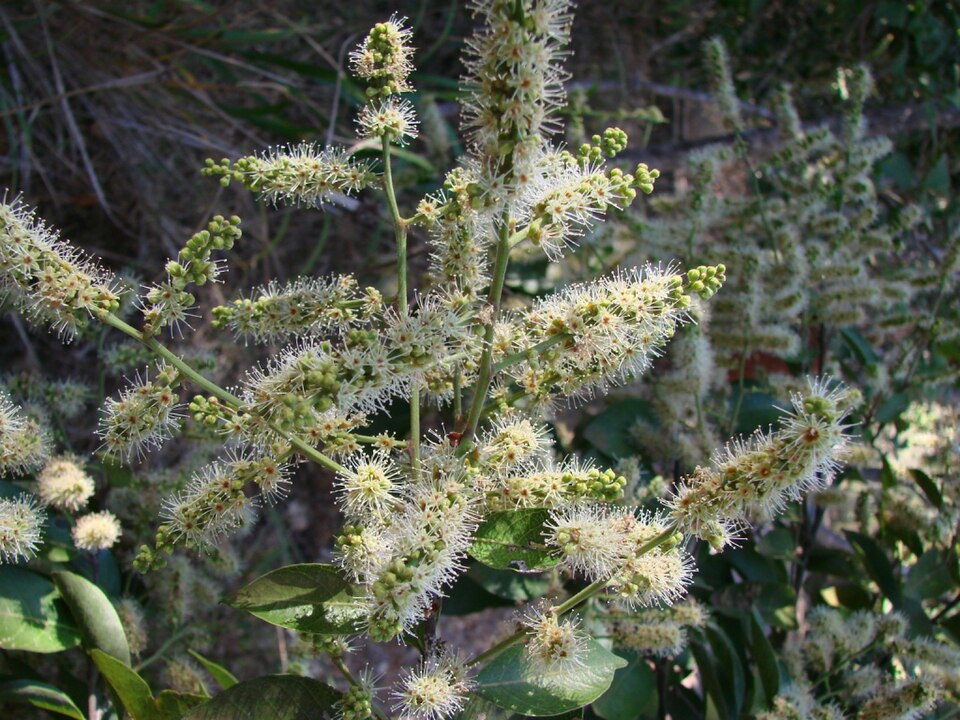
(c) Frederico Acaz Sonntag, some rights reserved (CC BY-NC), uploaded by Frederico Acaz Sonntag
iNaturalist· cc-by-nc
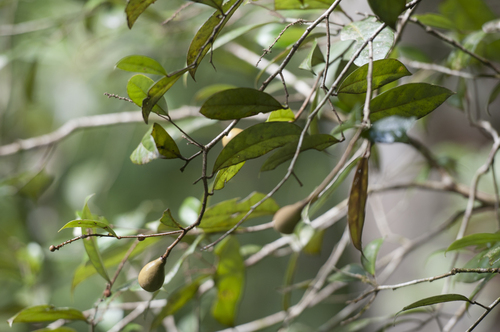
(c) alexandre callou sampaio, some rights reserved (CC BY-NC), uploaded by alexandre callou sampaio
Description
A tropical tree of the family Chrysobalanaceae.
This description is brief — help expand it
Edible Uses
Fruit. Rather sweet, but the flavour is not attractive and the amount of flesh and juice is small. The ellipsoid fruit is a drupe around 13mm long and 7mm wide with a thin layer of flesh.
Medicinal Uses
The bark is astringent. Together with the leaves it is used to make a tea which is taken as hot as possible "to open the throat" in cases of extreme respiratory ailments..
Distribution
It is a tropical plant.
Where It Grows
Bolivia, Brazil, Central America, Colombia, Guiana, Guianas, Guyana, South America, Suriname, Tobago, Venezuela, West Indies,
Other Uses
The bark is brown, the inner bark dark reddish brown. The sapwood is pale yellow and the heartwood reddish brown or reddish pink. The long, flexible branches are used in making the roofs of traditional houses.
Synonyms
Also Known As
Aceituno, Caripe
References (5)
- Hellmuth, N. M., 2011, Maya Ethnobotany. Complete Inventory of plants. Associacion FLAAR Mesoamerica. Tenth edition.
- Kew Plants of the World onLine
- Lopez-Diago, D. & Garcia, N., 2021, Wild edible fruits of Colombia. Biota ColomBiana 22 (2) p 35
- Reis, S. V. and Lipp, F. L., 1982, New Plant Sources for Drugs and Foods from the New York Botanical Garden herbarium. Harvard. p 108
- Roa, J. A. G. & Boada, D. S. G., 2018, Fundación para el Fortalecimiento de la Fruticultura y Plantas Alimenticias no Convencionales en Colombia.