Castanopsis kawakamii
Hayata
Green hook castanopsis
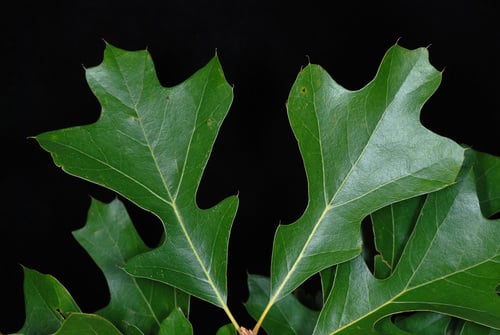
iNaturalist· cc-by
(c) Jacy Chen, some rights reserved (CC BY), uploaded by Jacy Chen
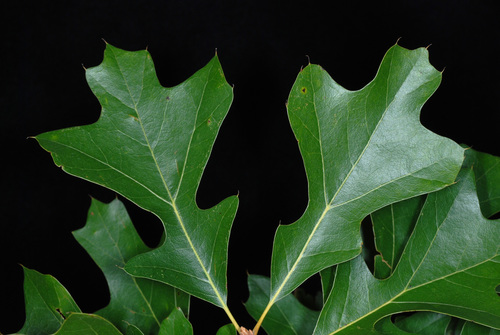
iNaturalist· cc-by
(c) Jacy Chen, some rights reserved (CC BY)
Summary
Source: WikipediaCastanopsis kawakamii is a species of plant in the family Fagaceae. It is found in China, Taiwan, and Vietnam. It is threatened by habitat loss.
Description
An evergreen tree. It grows 30-40 m high. The trunk is 1-1.5 m across. The young shoots are reddish brown. The leaf stalk is 1-2.5 cm long. The leaf blade is oval to sword shaped. It is 6-12 cm long by 2-5 cm wide. Leaves become leathery with age. The base of the leaf is wedge shaped or rounded and unequal on each side of the midrib. The tip is heart shaped. There are 9-12 veins on each side of the midrib. The female flower arrangement is 5-10 cm across. The cup is 6-8 cm across and splits into 4 or 5 segments as it matures. The fruit is a nut. It is 1.7-2.1 cm across. It has dense orange brown hairs.
Edible Uses
The fruit or nuts are edible raw.
Traditional Uses
The fruit or nut is edible raw.
This uses section is brief — help expand it
Distribution
A tropical plant. It grows between 800-1,000 m altitude. Seedlings demand light.
Where It Grows
Asia, China, Indochina, SE Asia, Taiwan, Vietnam,
Production
It grows quickly when young.
Notes
There are about 120 Castanopsis species. Many have edible nuts.
Synonyms
Also Known As
Ca oi qua to, Diao pi zhui
References (3)
- Forest Inventory and Planning Institute, 1996, Vietnam Forest Trees. Agriculture Publishing House p 262
- Hu, Shiu-ying, 2005, Food Plants of China. The Chinese University Press. p 345
- J. Coll. Sci. Imp. Univ. Tokyo 30(1):300. 1911