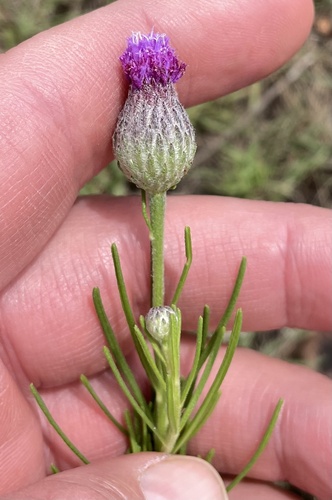
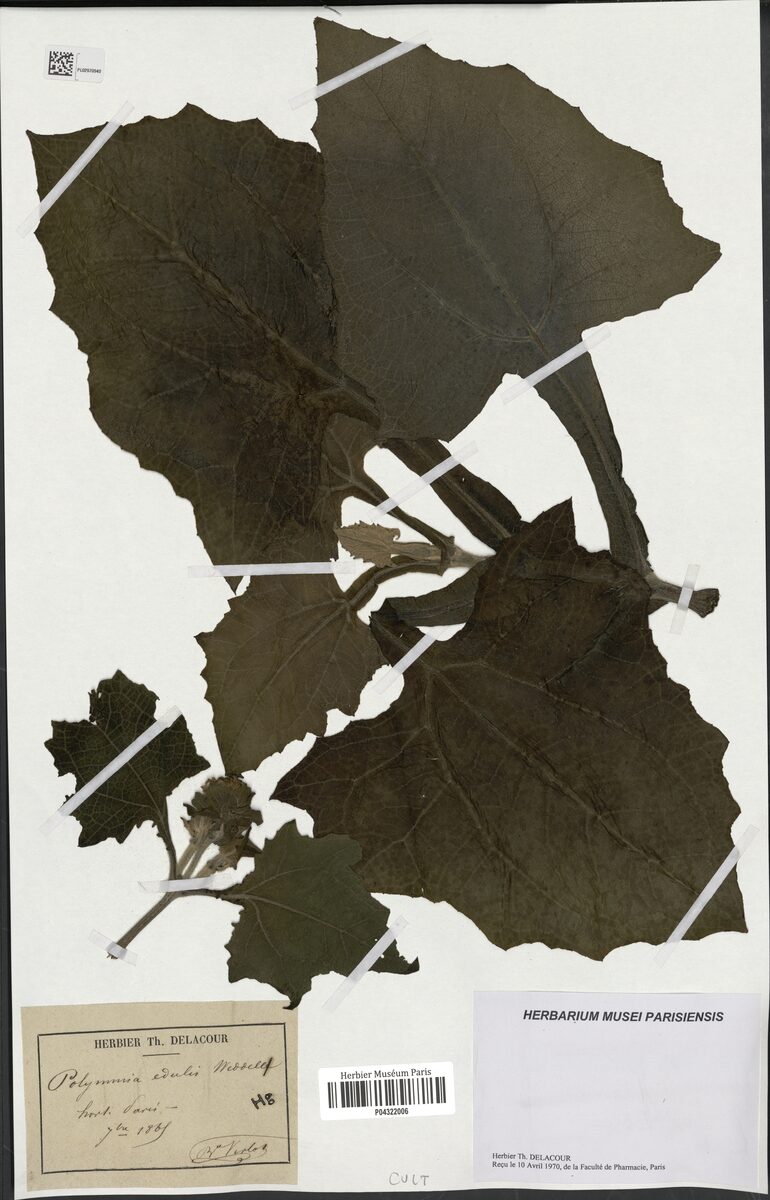
Lactuca dolichophylla
Kitam.
Long leaved lettuce
iNaturalist· cc-by-nc
(c) Aniruddha Singhamahapatra, some rights reserved (CC BY-NC), uploaded by Aniruddha Singhamahapatra
wikimedia· cc0
Wikimedia Commons - Royle, J. Forbes
Summary
Source: WikipediaLactuca dolichophylla, the long-leaved lettuce, is a species of wild lettuce found in Afghanistan, Pakistan, West Himalaya, Nepal, Xizang (Tibet), East Himalaya, south-central China, and Myanmar. It prefers to grow in thickets at c.3200 m above sea level. Its chromosome count is 2n=16.
Description
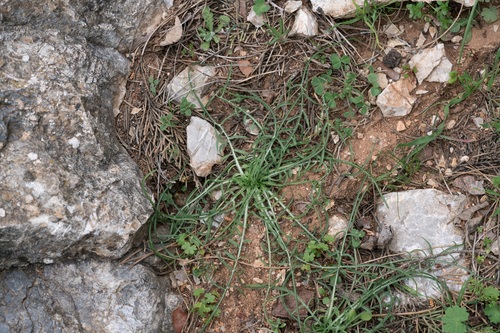
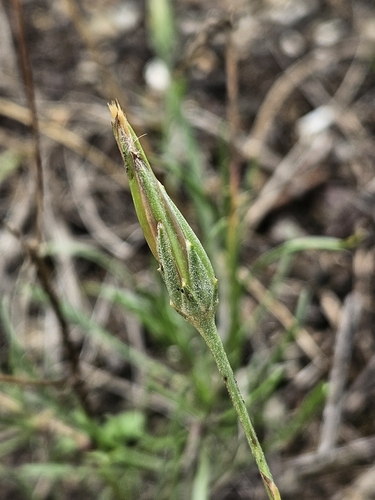
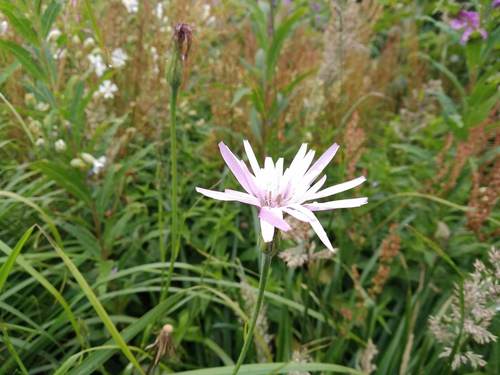
A herb. It grows 1 m tall. It grows for one or two years. There is a single stem that is erect. The lower stem leaves are narrow and can be divided along the stalk. They clasp the stem at the base. The upper leaves are smaller and undivided.
Edible Uses
The leaves are cooked as a vegetable and used as a flavouring.
Traditional Uses
The leaves are cooked and used as a vegetable and also as a flavouring.
This uses section is brief — help expand it
Distribution
It is a temperate plant. It grows in cool arid, regions. In the Indian Himalayas it grows between 1,300-3,800 m above sea level. In Yunnan.
Where It Grows
Afghanistan, Asia, Bhutan, China, Himalayas, India, Myanmar, Nepal, Pakistan, SE Asia, Tibet,
Synonyms
Also Known As
Khala, Gringali
References (3)
- Murugan, Pal M., et al, 2010, Phytofoods of Nubra valley, Ladakh - The cold desert. Indian Journal of Traditional Knowledge. Vol. 9(2): 303-308
- Rana, J.C. et al, 2011, Genetic resources of wild edible plants and their uses among tribal communities of cold arid regions of India. Genetic Resources and Crop Evolution. 59:135-149
- Sharma, L. et al, 2018, Diversity, distribution pattern, endemism and indigenous uses of wild edible plants in Cold Desert Biosphere Reserve of Indian Trans Himalaya. Indian Journal of Traditional Knowledge. Vol 17(1) January 2018 pp 122-131