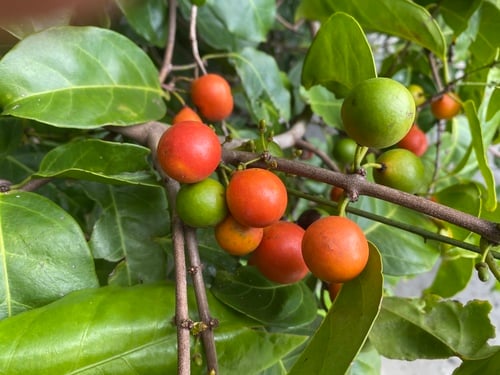
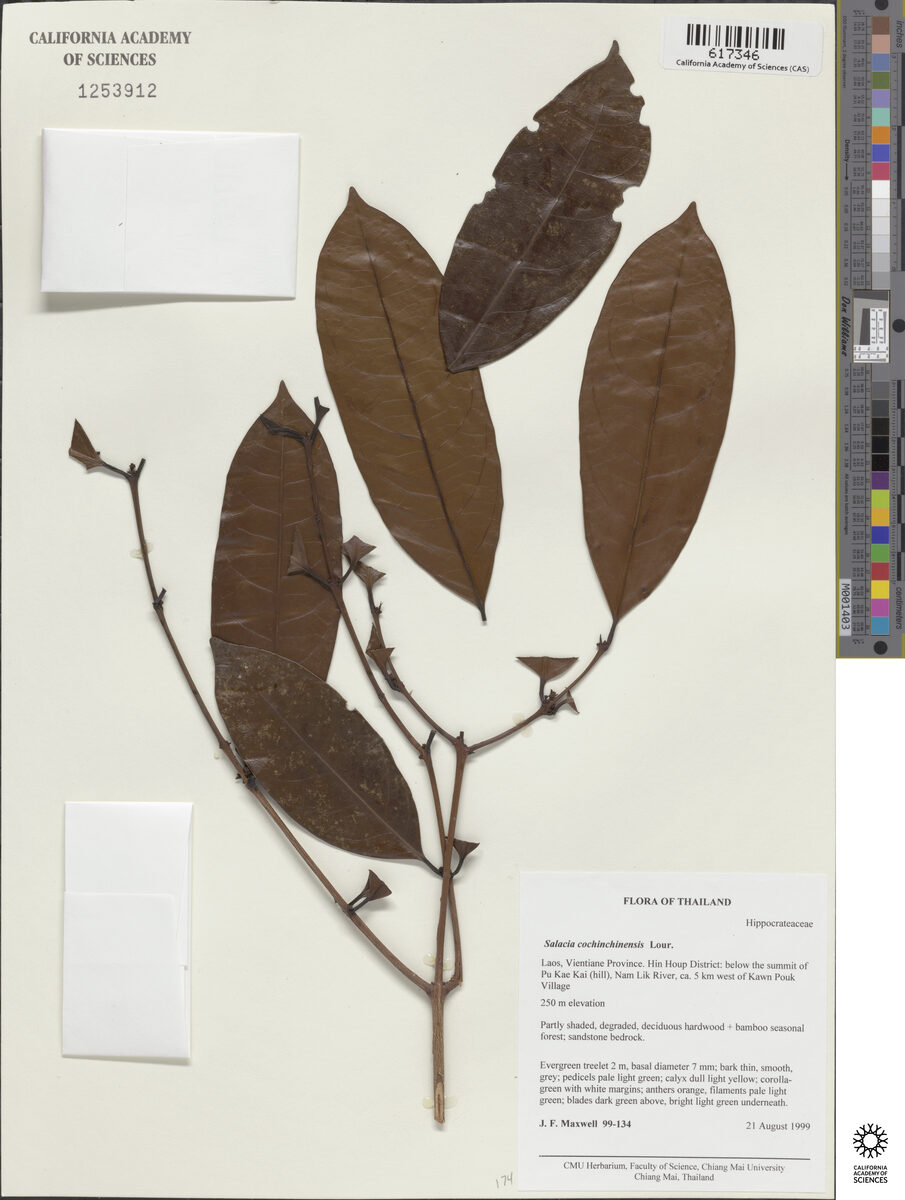
Cassine buchananii
Loes.
gbif· cc-by-nc-sa
MBG
gbif· cc-by-nc-sa
MBG
gbif· cc-by-nc-sa
MBG
Description
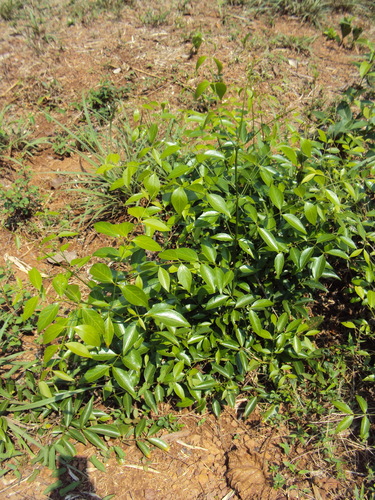
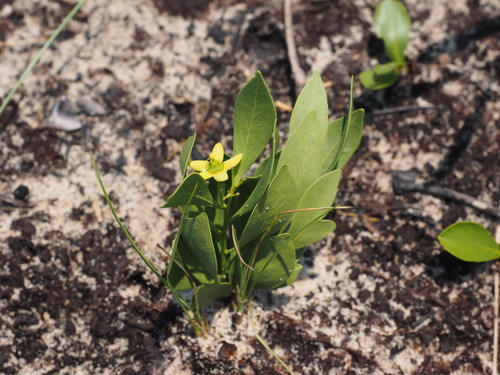
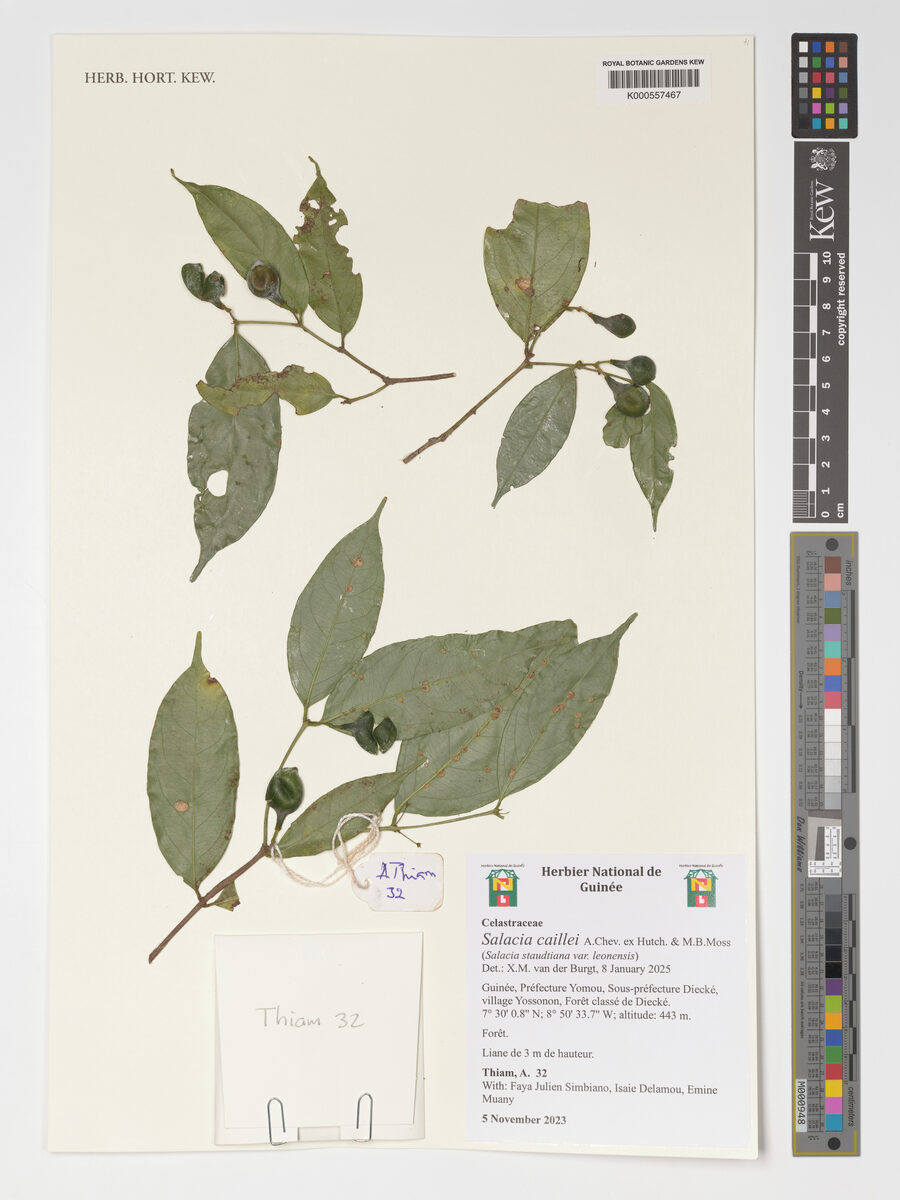
An evergreen tree. It grows 25 m tall. The bark is dark grey and smooth. The leaves are stiff and wavy along the edge. The flowers are white to yellow. The fruit is fleshy and pale yellow.
Edible Uses
The fruit are eaten fresh, though they are poisonous. The leaves are burnt to produce salt.
Traditional Uses
Poisonous. It is claimed the fruit are eaten fresh.
This uses section is brief — help expand it
Medicinal Uses
It is used as medicine.
Known Hazards
The fruit are poisonous.
Distribution
It is a tropical plant. In Ethiopia it grows between 660-2,250 m above sea level.
Where It Grows
Africa, Angola, Cameroon, Central Africa, Central African Republic, CAR, Congo DR, East Africa, Ethiopia, Ghana, Kenya, Malawi, Nigeria, Rwanda, Sierra Leone, Sudan, Tanzania, Togo, Uganda, West Africa, Zambia, Zimbabwe,
Cultivation
Plants can be grown from seeds.
Notes
It is used as medicine.
Synonyms
Also Known As
Beyen, Chigaey, Chogaey, Mutanga, Ndiiriyinka
References (2)
- Awas, T., 1997, A Study on the Ecology and Ethnobotany of Non-cultivated Food Plants and Wild Relatives of Cultivated crops in Gambella Region, Southwestern Ethiopia. Addis Ababa University. p 47 (As Elaeodendron buchananii)
- Lulekal, E., et al, 2011, Wild edible plants in Ethiopia: a review on their potential to combat food insecurity. Afrika Focus - Vol. 24, No 2. pp 71-121 (As Elaeodendron buchananii)