Salacia ovalis
Korth.
Salacia ovalis
gbif· cc-by-nc
President and Fellows of Harvard College
gbif· cc-by-nc
President and Fellows of Harvard College
gbif· cc-by-nc
President and Fellows of Harvard College
Description
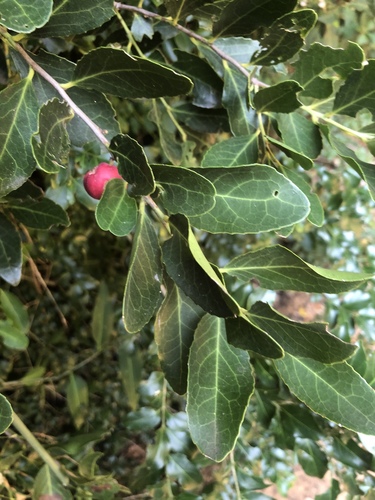
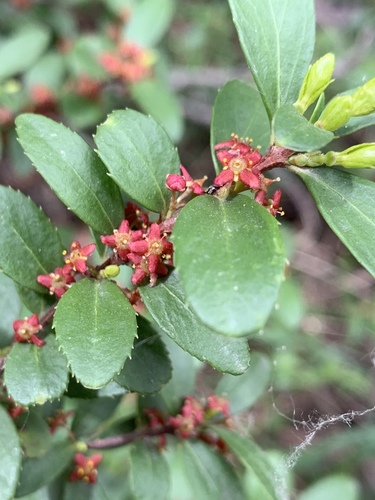
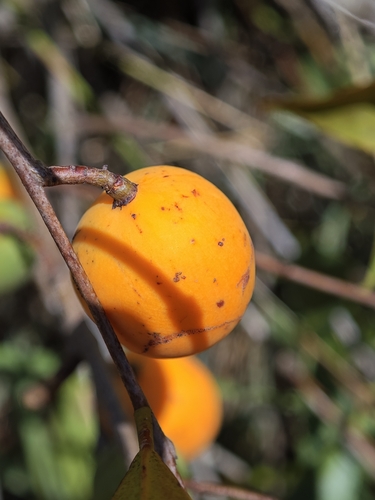
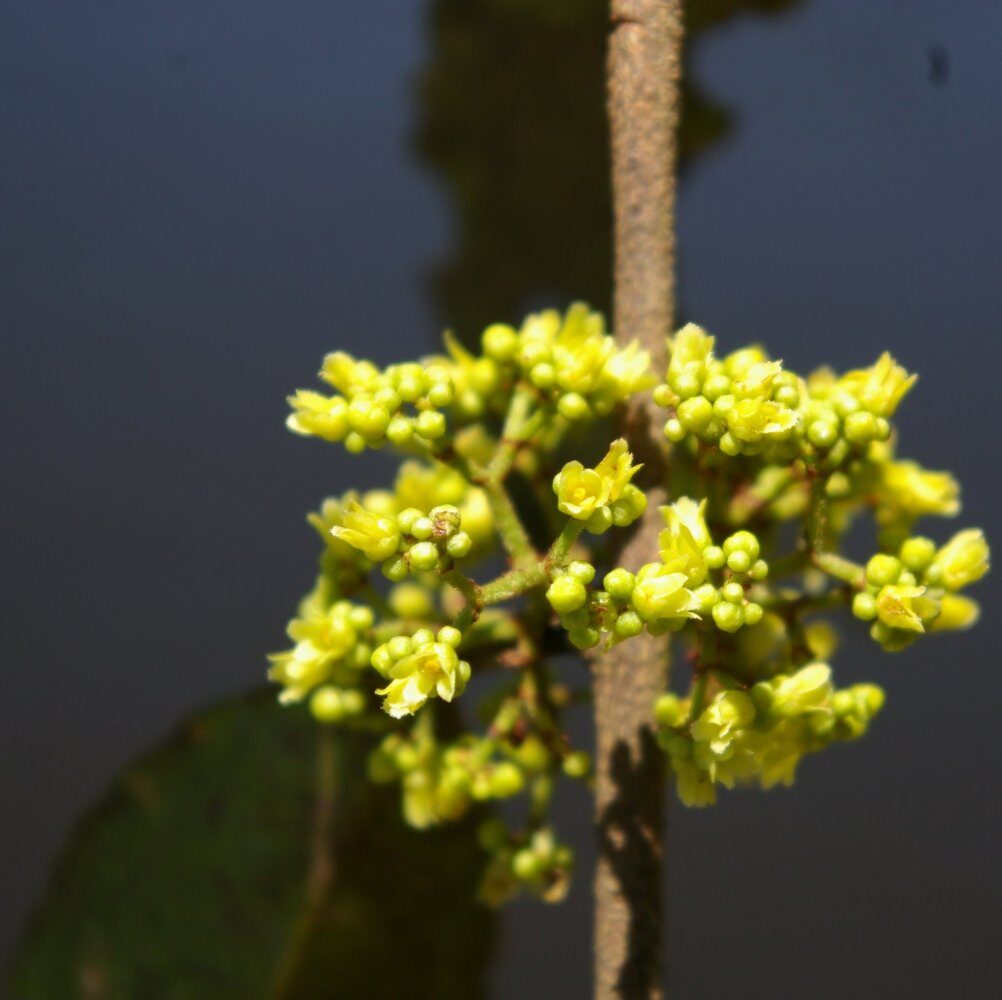
A woody creeper. It grows 12 m long. The leaves are narrowly oval to oblong. The flowers are in the axils of leaves. The fruit is almost round and fleshy. It is 2-3 cm across. There are 1-2 seeds.
Edible Uses
Fruit - raw. The pulp surrounding the seeds is eaten. The fruit is a subglobose drupe around 20 - 30mm in diameter, containing 1 - 2 seeds.
Traditional Uses
The pulp of the fruit is eaten.
This uses section is brief — help expand it
Distribution
It is a tropical plant. It grows in thickets and forests in the lowlands and up to 1,200 m above sea level. It is also found on beaches.
Where It Grows
Asia, Indonesia, Philippines, SE Asia,
Cultivation
Plants can be grown from seeds.
Notes
It is also put in the family Hippocrataceae.
Synonyms
Also Known As
Akar pelanduk, Gurach batu, Matang olang, Salasia pelanduk
References (5)
- Altschul, S.V.R., 1973, Drugs and Foods from Little-known Plants. Notes in Harvard University Herbaria. Harvard Univ. Press. Massachusetts. no. 2562 (As Salacia integrifolia)
- Ferns, Useful Tropical plants
- PROSEA No. 2
- Sukarya, D. G., (Ed.) 2013, 3,500 Plant Species of the Botanic Gardens of Indonesia. LIPI p 967
- World Checklist of Useful Plant Species 2020. Royal Botanic Gardens, Kew