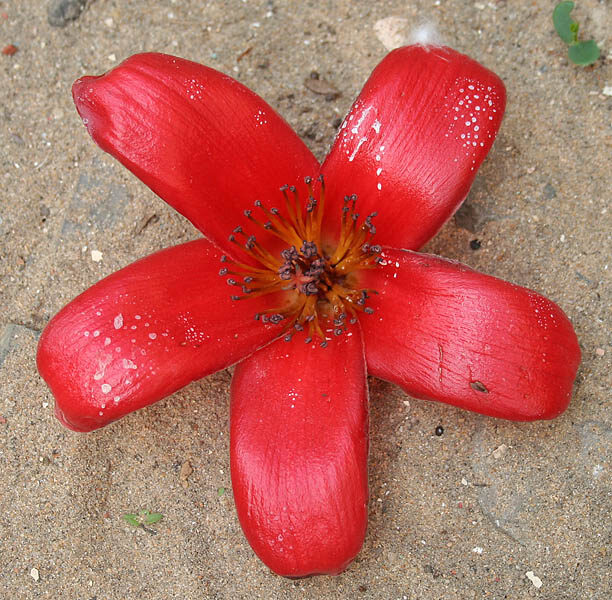
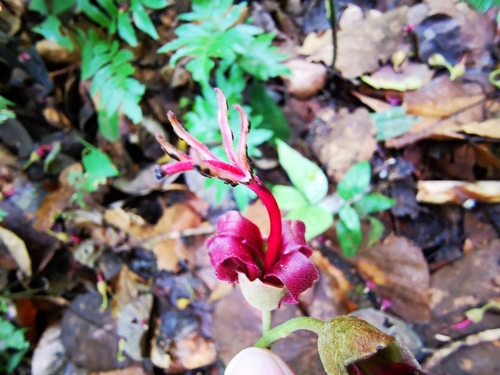
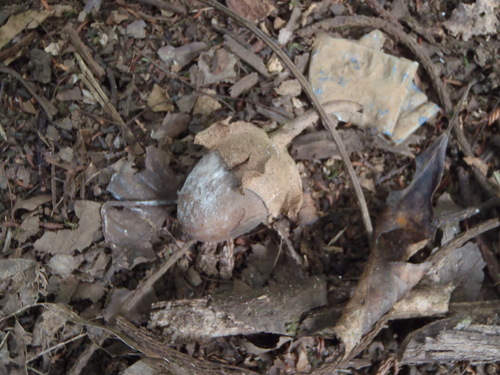
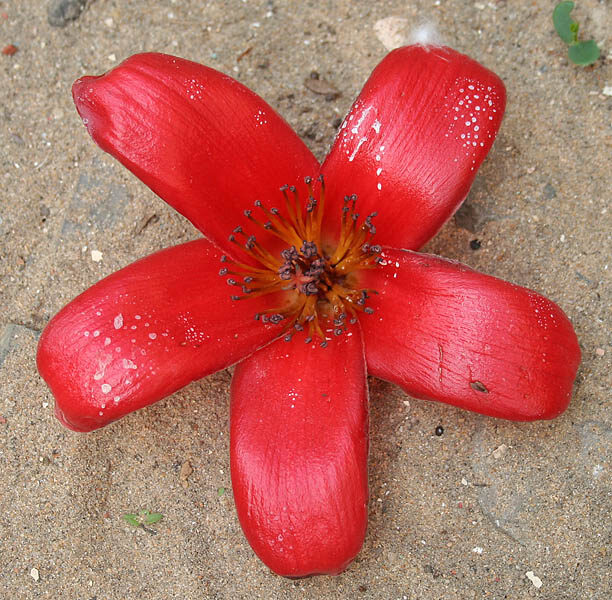
Dombeya torrida
(G. F. Gmel.) P Bamps
iNaturalist· cc-by-nc
(c) Odile Weber, some rights reserved (CC BY-NC)
iNaturalist· cc-by-nc
(c) Odile Weber, some rights reserved (CC BY-NC)
iNaturalist· cc-by-nc
(c) Teddy Kinyanjui, some rights reserved (CC BY-NC)
Description
A tropical tree in the Malvaceae family with edible fruit.
This description is brief — help expand it
Edible Uses
The fruit is eaten.
Medicinal Uses
A decoction of the flowers and bark is taken as a treatment against indigestion.
Known Hazards
The fine hairs on the fruit may cause eye irritation.
Distribution
It is a tropical plant.
Where It Grows
Africa, East Africa, Ethiopia,
Cultivation
In cultivation, species in this genus generally grow best in a moist but well-drained, fertile soil and a position in full sun or partial shade. A fairly fast-growing tree. The tree responds well to coppicing and pollarding.
Propagation
Seed - both fresh and stored seed normally germinates in 15 - 20 days. Cuttings of semi-ripe wood, preferably with some bottom heat to encourage rooting.
Other Uses
A fibre obtained from the bark is made into rope, string and cloth. The heartwood is uniformly pale brown, often with a central core of dark brown wood with olive streaks; it is not clearly demarcated from the sapwood. The grain is usually straight, texture fine to medium. The wood is strong and tough but with low to moderate durability, the sapwood is susceptible to attack by termites, marine borers and Lyctus borers. It saws and planes well; nails without splitting; but it is not suitable for turnery. The wood is suitable for flooring, ship and boat building, vehicle bodies, furniture, handles and ladders, sporting goods, agricultural implements, yokes, poles and piles. Traditionally, it is mainly used for bows, construction, poles, tool handles and spoons. In Tanzania logs are carved into traditional stools. The wood is used for fuel and for making charcoal. A fairly fast-growing tree that is a natural pioneer, it can be used in planting schemes for restoring native woodland. The fallen leaves improve the soil. The flowers produce good nectar for bees.
Notes
Some Botanists put the Dombeya in the Byttneriaceae and the Sterculiaceae.
Also Known As
Akota
References (3)
- Balemie, K., & Kebebew, F., 2006, Ethnobotanical study of wild edible plants in Derashe and Kucha Districts, South Ethiopia. Journal of Ethnobiology and Ethnomedicine.
- Lulekal, E., et al, 2011, Wild edible plants in Ethiopia: a review on their potential to combat food insecurity. Afrika Focus - Vol. 24, No 2. pp 71-121
- World Checklist of Useful Plant Species 2020. Royal Botanic Gardens, Kew