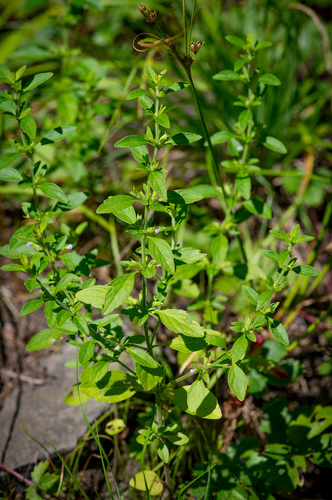
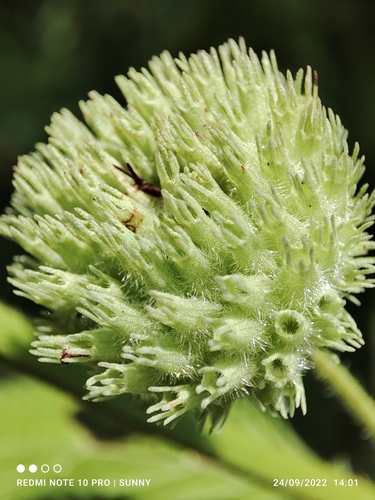
Vitex megapotamica
(Spreng.) Moldenke
Taruma
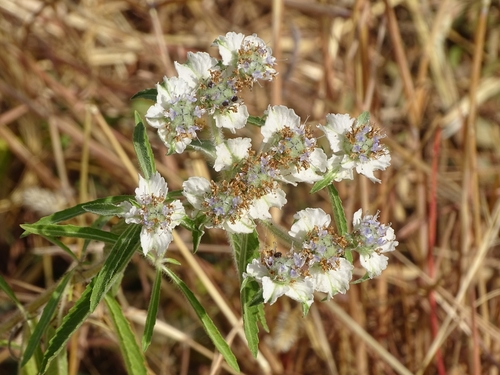
iNaturalist· cc-by
(c) Marcia Stefani, some rights reserved (CC BY)
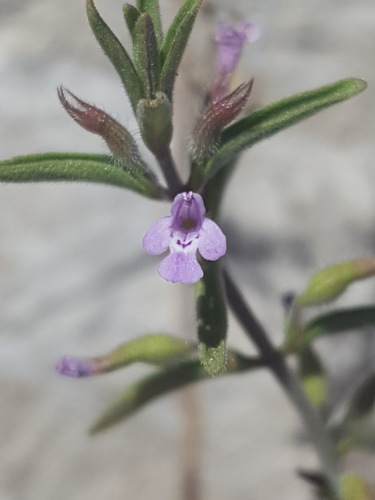
iNaturalist· cc-by-nc
(c) Luis Vescia da Rosa, some rights reserved (CC BY-NC)
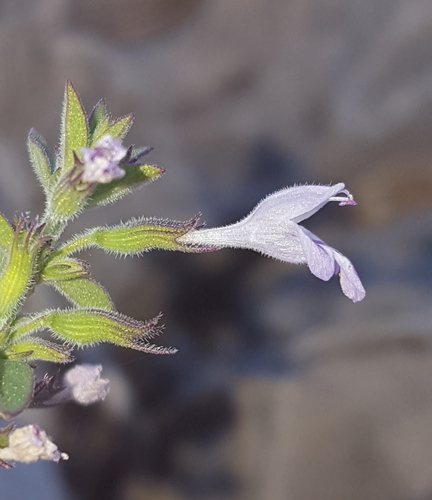
iNaturalist· cc-by-nc
(c) Luis Vescia da Rosa, some rights reserved (CC BY-NC)
Summary
Source: WikipediaVitex megapotamica is a hardwood fruit tree found in Argentina, Paraguay, Uruguay, and southern Brazil. In Brazil it is commonly called tarumã. The tarumã grows to be up to ten metres tall. Its bark is coloured dark grey; its compound leaves have a long petiole and five elliptic leaflets. The small, abundant flowers developed into fleshy stone fruit. The fruits are eaten by a number of species, and serve also as fishing bait. Tarumã grows from the Southeast Region of Brazil to the South Region, and on through Uruguay and Paraguay to Argentina. In Brazil, its common names include azeitona do mato (forest olive), azeitona brava, cinco folhas (five leaves), copiúba, sombra de touro (bull's shadow), and tarumã romã (tarumã pomegranate).
Description
A tree that loses its leaves. It grows 10-25 m tall. The trunk can be 40-60 cm across. Fruit are about 2 cm across.
This description is brief — help expand it
Edible Uses
The fruit are eaten raw, though they are sweet but not very popular.
Traditional Uses
The fruit are eaten raw.
This uses section is brief — help expand it
Medicinal Uses
The plant has medicinal uses. No further details.
Distribution
It is a tropical plant. It grows in pine forests and semi-deciduous forests. It can grow in dry and wet soils. It needs a sunny position. In Argentina it grows below 500 m above sea level.
Where It Grows
Argentina, Bolivia, Brazil*, Paraguay, South America*, Uruguay,
Cultivation
Plants can be grown from fresh seeds. They germinate in 40-60 days and can be put in a nursery and transplanted.
Propagation
Seed - best sown as soon as it is ripe. Sow in individual containers in a lightly shaded position. Germination rates rarely exceed 10%, with the seed sprouting within 40 - 60 days. Seedlings grow away very quickly and are ready to plant out within 7 months from germination.
Other Uses
The wood is moderately heavy, of medium texture, of excellent durability when exposed to the weather. It is used in construction, railway ties, posts, bridge beams, wooden shoes, barrels etc. We have no more information on the wood for this species. However, we have a general description for the wood of S. American species of this genus, which is as follows:- The heartwood is variable according to the species, ranging from yellowish-brown through deep brown, olive-green or olive-brown; it is usually not sharply demarcated from the whitish, yellow, or pale brown sapwood. The texture is rather fine to moderately coarse; the grain straight, sometimes irregular; lustre ranges from low to high; there is no distinctive odour or taste. A silica content of 0.76% is reported. Depending on the species, durability varies from moderately durable to very durable when exposed to a white-rot and brown-rot fungus. Actual field exposures show some species as durable and others as susceptible to attack by decay fungi and insects. Reports are also variable on seasoning, material from Panama had a moderate drying rate and no appreciable defects. The wood is easy to work with both hand and machine tools, though there is some tearing if grain is irregular; it takes a high polish. It is used for purposes such as furniture, millwork, veneer and plywood, general carpentry, mallet heads, chisel handles and flooring.
Production
Young trees grow quickly.
Other Information
The fruit are sweet but not very popular.
Notes
Also put in the family Verbenaceae.
Synonyms
Also Known As
Azaitona-brava, Azeitona-da-terra, Azeitona-do-mato, Bignonia del Rio Grande, Bracuy, Guabiroba-brava, Tamura duro, Tanumari, Tapinhao, Tapinhoa, Taruma, Taruma-preto
References (7)
- Fern, K., 2012, Tropical Species Database http://theferns.info/tropical/
- Grandtner, M. M. & Chevrette, J., 2013, Dictionary of Trees, Volume 2: South America: Nomenclature, Taxonomy and Ecology. Academic Press p 695
- INFOODSUpdatedFGU-list.xls
- Kinupp, V. F., 2007, Plantas alimenticias nao-convencionais da regiao metropolitana de Porto Alegre, RS, Brazil p 80
- Kinupp, V. F. & Bergman, I., 2008, Protein and minerals of native species, potential vegetables and fruits. Cienc.Tecnol. Aliment. Vol. 28 No. 4 Campinas Oct/Dec.
Show all 7 references Hide references
- Kujawska, M. & Luczaj, L., 2015, Wild Edible Plants Used by the Polish Community in Misiones, Argentina. Human Ecology 43:855-869
- NYBG herbarium "edible"