Parthenium argentatum
A.Gray
Guayule
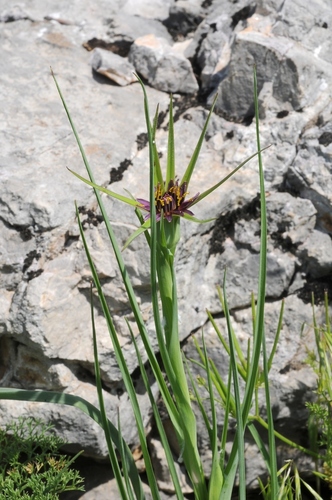
iNaturalist· cc-by-nc
(c) Joey Santore, some rights reserved (CC BY-NC)
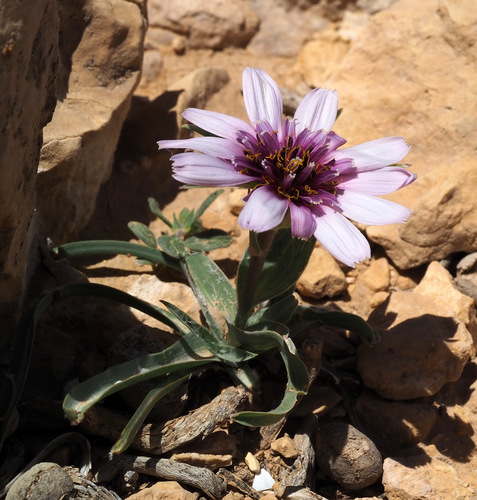
iNaturalist· cc-by-nc
(c) Joey Santore, some rights reserved (CC BY-NC)
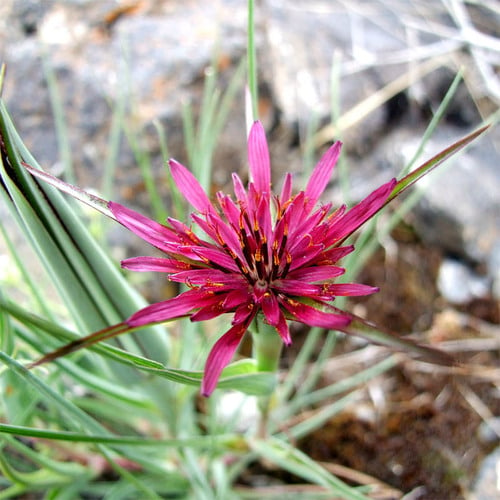
iNaturalist· cc-by-nc
(c) Joey Santore, some rights reserved (CC BY-NC)
Summary
Source: WikipediaParthenium argentatum, commonly known as the guayule ( or , as in Spanish), is a perennial woody shrub in the family Asteraceae that is native to the rangeland area of the Chihuahuan Desert; including the southwestern United States and northern Mexico. It was first documented by J.M. Bigelow in 1852 through the Mexican Boundary Survey and was first described by Asa Gray. Natural rubber, ethanol, non-toxic adhesives, and other specialty chemicals can be extracted from guayule. An alternative source of latex that is hypoallergenic, unlike the normal Hevea rubber, can also be extracted. While Castilla elastica was the most widely used rubber source of Mesoamericans in pre-Columbian times, guayule was also used, though less frequently. The name "guayule" derives from the Nahuatl word ulli/olli, "rubber".
Description
An evergreen shrub reaching 1 m tall, hardy to UK zone 8. Produces hermaphroditic flowers pollinated by insects and wind, and reproduces apomictically. Tolerates light sandy, medium loamy, and heavy clay soils with good drainage across acidic to very alkaline pH levels. Requires full sun and prefers dry conditions with excellent drought tolerance.
Edible Uses
None known
Medicinal Uses
None known
Distribution
It is a warm temperate plant. It can grow in arid areas.
Where It Grows
Asia, Central Asia, China, Mexico*, North America, Tajikistan, USA,
Cultivation
Requires a very well-drained soil in full sun. Prefers a sandy soil but cultivated plants succeed on most soils except clay. Established plants are very drought resistant. This species is not very hardy in Britain, plants dislike winter temperatures falling below -10°c and suffer damage below -15°c. In particular, they dislike fluctuating winter temperatures and excessive winter wet. Plants grow well but give a poor yield of latex when growing in areas of higher rainfall. (This refers to the very low levels of rain the plant experiences in its native habitat). More rubber is produced if the plant is prevented from flowering. British summers are possibly not warm enough for this plant to thrive.
Propagation
Seed - we have no details for this species but suggest sowing the seed in a greenhouse in early spring. Only just cover the seed. When they are large enough to handle, prick the seedlings out into individual pots and grow them on in the greenhouse for at least their first winter. Plant them out into their permanent positions in late spring or early summer, after the last expected frosts.
Other Uses
Rubber can be extracted from the roots and/or stems by mechanical maceration. Yields of up to 240 kilos per hectare per year are possible when plants are harvested at 5 years old.
Notes
It is used to produce a non allergic latex.
References (1)
- INFOODSUpdatedFGU-list.xls