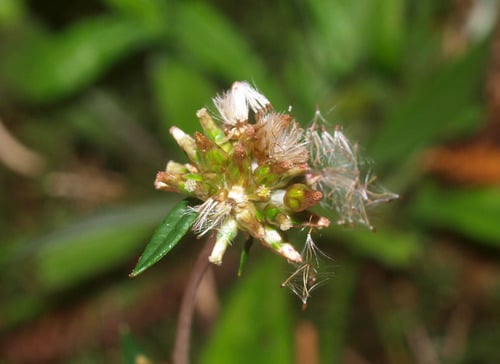
Gnaphalium indicum
L.
Many Stem Cudweed
iNaturalist· cc-by-nc
(c) Andrew Massyn, some rights reserved (CC BY-NC)
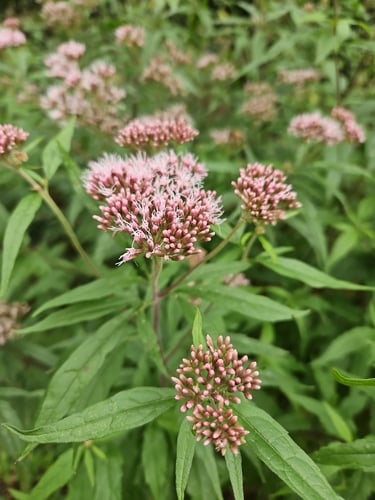
iNaturalist· cc-by-nc
(c) Andrew Massyn, some rights reserved (CC BY-NC)
iNaturalist· cc-by-nc
(c) Andrew Massyn, some rights reserved (CC BY-NC)
Summary
A compact annual herb growing to 0.2 m (6 in) with hermaphroditic insect-pollinated flowers. Suitable for sandy and loamy soils with good drainage. Tolerates mildly acidic, neutral, and basic soil pH. Can grow in semi-shade or full sun and adapts to dry or moist soil.
Description
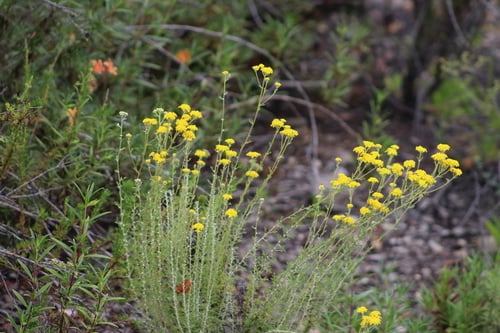
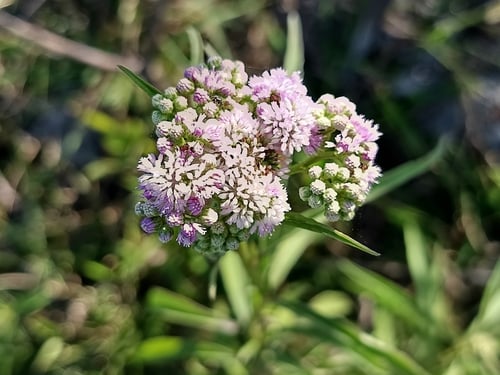
A herb. It grows each year from seed. The flower heads are smaller than Jersey cudweed and more leafy. The leaves are soft and limp.
This description is brief — help expand it
Edible Uses
Leaves are edible cooked.
Traditional Uses
The leaves are eaten as a pot-herb. They are also used raw as a dressing.
This uses section is brief — help expand it
Medicinal Uses
None known
Distribution
A tropical plant.
Where It Grows
Asia, Australia, China, India, Indochina, Myanmar, Northeastern India, SE Asia, Vietnam,
Cultivation
We have very little information on this species but it should succeed as a spring-sown annual in Britain. The following notes are based on the general needs of the genus. Requires a well-drained soil in a sunny position.
Propagation
Sow seed in late spring directly in situ, covering only just barely.
Other Uses
None known
Notes
There are about 200 Gnaphalium species.
Also Known As
Byaing-che, Phunil, Taw-dawna
References (7)
- Ambasta, S.P. (Ed.), 2000, The Useful Plants of India. CSIR India. p 241
- Jain et al, 2011, Dietary Use and Conservation Concern of Edible Wetland Plants at Indo-Burma Hotspot: A Case Study from Northeast India. Journal of Ethnobiology and Ethnomedicine 7:29 p 7 (? As Nephalium indicum)
- Konsam, S., et al, 2016, Assessment of wild leafy vegetables traditionally consumed by the ethnic communities of Manipur, northeast India. Journal of Ethnobiology and Ethnomedicine, 12:9
- Lamp, C & Collet F., 1989, Field Guide to Weeds in Australia. Inkata Press. p 131
- Mot So Rau Dai an Duoc O Vietnam. Wild edible Vegetables. Ha Noi 1994, p 88
Show all 7 references Hide references
- Plants for a Future database, The Field, Penpol, Lostwithiel, Cornwall, PL22 0NG, UK. http://www.scs.leeds.ac.uk/pfaf/
- Seidemann J., 2005, World Spice Plants. Economic Usage, Botany, Taxonomy. Springer. p 170