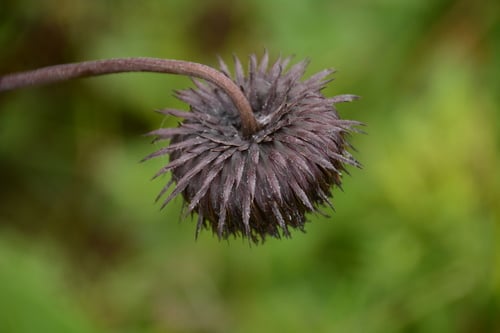
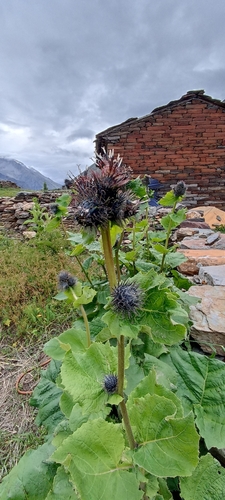
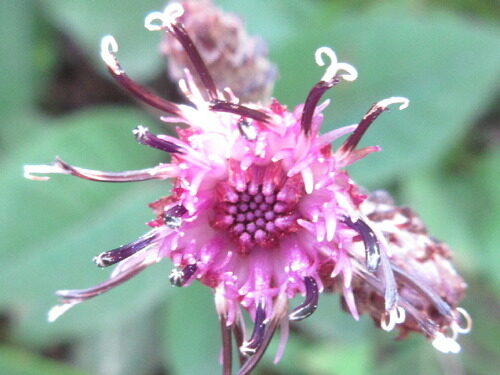
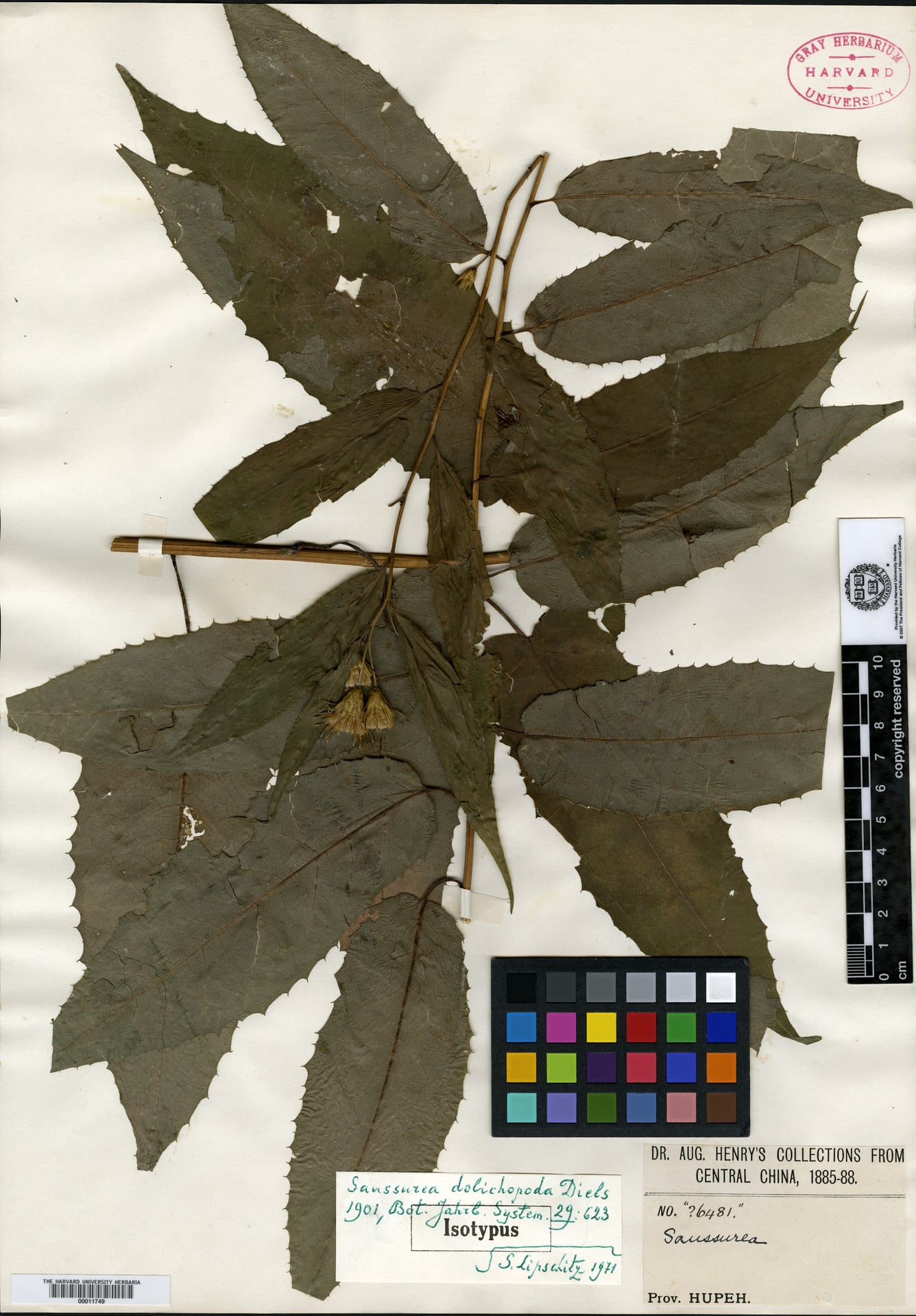
Gnaphalium luteoalbum
L.
Jersey Cudweed
gbif· cc-by-nc
J. Dolstra
gbif· cc-by-nc-nd
Dick Vuik
gbif· cc-by-nc-nd
Simeon Klompmaker
Description
Gnaphalium luteoalbum is a ANNUAL/BIENNIAL growing to 0.2 m (0ft 8in). It is in flower from June to August. The species is hermaphrodite (has both male and female organs) and is pollinated by Flies, bees. Suitable for: light (sandy) and medium (loamy) soils and prefers well-drained soil. Suitable pH: mildly acid, neutral and basic (mildly alkaline) soils. It can grow in semi-shade (light woodland) or no shade. It prefers dry or moist soil.
Edible Uses
Leaves - raw or cooked.
Medicinal Uses
Astringent Cancer Cholagogue Diuretic Febrifuge Haemostatic Stomachic Vulnerary. Stomachic. The leaves are astringent, cholagogue, diuretic, febrifuge, haemostatic and vulnerary. The plant is used in the treatment of breast cancer in Belgium.
Distribution
Most of Europe, including Britain, and most other warm temperate regions in the world.
Where It Grows
TEMPERATE ASIA: Oman, Yemen, Afghanistan, Cyprus, Iran, Israel, Lebanon, Syria, Turkey, Russian Federation-Ciscaucasia (Ciscaucasia), Azerbaijan, Georgia, Russian Federation (Dagestan), Kazakhstan, Tajikistan, Turkmenistan, China (Gansu Sheng, Hainan Sheng, Henan Sheng, Hubei Sheng, Jiangsu Sheng, Shaanxi Sheng, Shandong Sheng, Sichuan Sheng), Taiwan TROPICAL ASIA: India, Pakistan, Papua New Guinea, Laos, Thailand, Vietnam, Indonesia, Philippines AUSTRALASIA: Australia (Tasmania, New South Wales, Queensland, South Australia, Victoria, Northern Territory), New Zealand EUROPE: United Kingdom (England (south)), Sweden (south), Austria, Belgium, Switzerland, Czech Republic, Germany, Hungary, Netherlands, Poland, Slovakia, Russian Federation (European part), Belarus, Lithuania, Moldova, Ukraine (incl. Krym), Bulgaria, Bosnia and Herzegovina, Greece (incl. Crete), Croatia, Italy (incl. Sardinia, Sicily), North Macedonia, Montenegro, Romania, Serbia, Slovenia, Spain (incl. Baleares), France (incl. Corsica), Portugal AFRICA: Cabo Verde, Spain (Canarias), Portugal (Azores, Madeira Islands), Algeria, Egypt, Libya, Morocco, Tunisia, Eritrea, Ethiopia, Sudan, Somalia, Kenya, Tanzania, Uganda, Burundi, Cameroon, Democratic Republic of the Congo, Equatorial Guinea (Bioko), Rwanda, Ghana, Mali, Nigeria, Senegal, Angola, Mozambique, Malawi, Zambia, Zimbabwe, Botswana, Lesotho, Namibia, Eswatini, South Africa, Comoros, Mauritius, Reunion
Cultivation
Requires a sunny position in a well-drained soil.
Propagation
Seed - sow late spring in situ and only just cover the seed.
Other Uses
Tinder. The leaves are used as a tinder.