Parkinsonia praecox
(Ruiz & Pav.) Hawkins
iNaturalist· cc-by-nc
(c) Andrés Orduño, some rights reserved (CC BY-NC), uploaded by Andrés Orduño
iNaturalist· cc-by-nc
(c) Martin Arregui, some rights reserved (CC BY-NC)
iNaturalist· cc-by-nc
(c) Martin Arregui, some rights reserved (CC BY-NC)
Summary
Source: WikipediaParkinsonia praecox (syn. Cercidium praecox), the palo brea or Sonoran palo verde, is a species of flowering plant in the family Fabaceae. It is native to the dry Neotropics from Mexico to Argentina. A small tree reaching 6 to 9 m (20 to 30 ft), it is usually a bit wider than it is tall.
Description
A tropical shrub in the Fabaceae (legume) family, also classified as Caesalpinaceae.
This description is brief — help expand it
Edible Uses
The stem sap is consumed.
Distribution
It is a tropical plant.
Where It Grows
Argentina, Bolivia, Brazil, Colombia, Ecuador, Guatemala, Mexico, St. Vincent and Grenadines, Paraguay, Peru, South America, Venezuela,
Cultivation
Plants are fairly frost hardy, tolerating occasional short-lived frosts down to about -5°c. Prefers a sunny position in a slightly alkaline soil. The leaves of this plant are ephemeral, being mainly present in the rainy season. Much of the photosynthesis is carried out by the plant's green stems, which remain bright green even near ground level. Although many species within the family Fabaceae have a symbiotic relationship with soil bacteria, this species is said to be devoid of such a relationship and therefore does not fix atmospheric nitrogen.
Other Uses
The stem is the source of a greenish, semi-transparent gum, known as Brea, that contains 80% arabin. It is completely soluble in water and is an acceptable substitute for gum arabic. It is used locally to make soap by dissolving it in an alkali. The common name, 'Palo Brea', is derived from the fact that the waxy substance coating the bark, after being scraped from the branches and melted by heat, is used as a 'gum' for gluing together leather objects and furniture. The wood is hard, moderately heavy but brittle. It is free from any noticeable odour or taste, easy to work and finishes smoothly but is considered to be of no commercial value. The wood burns quickly and gives off an unpleasant odour.
Notes
Also as Caesalpinaceae.
Synonyms
Also Known As
Mauto, Palo brea
References (3)
- INFOODSUpdatedFGU-list.xls (As Cercidium praecox)
- Kew Plants of the World Online
- Pio-Leon, J. F., et al, 2017, Prioritizing Wild Edible Plants of potential new crops based on Deciduous Forest traditional knowledge by a Rancher community. Botanical Sciences 95(1): 47-59
More from Fabaceae
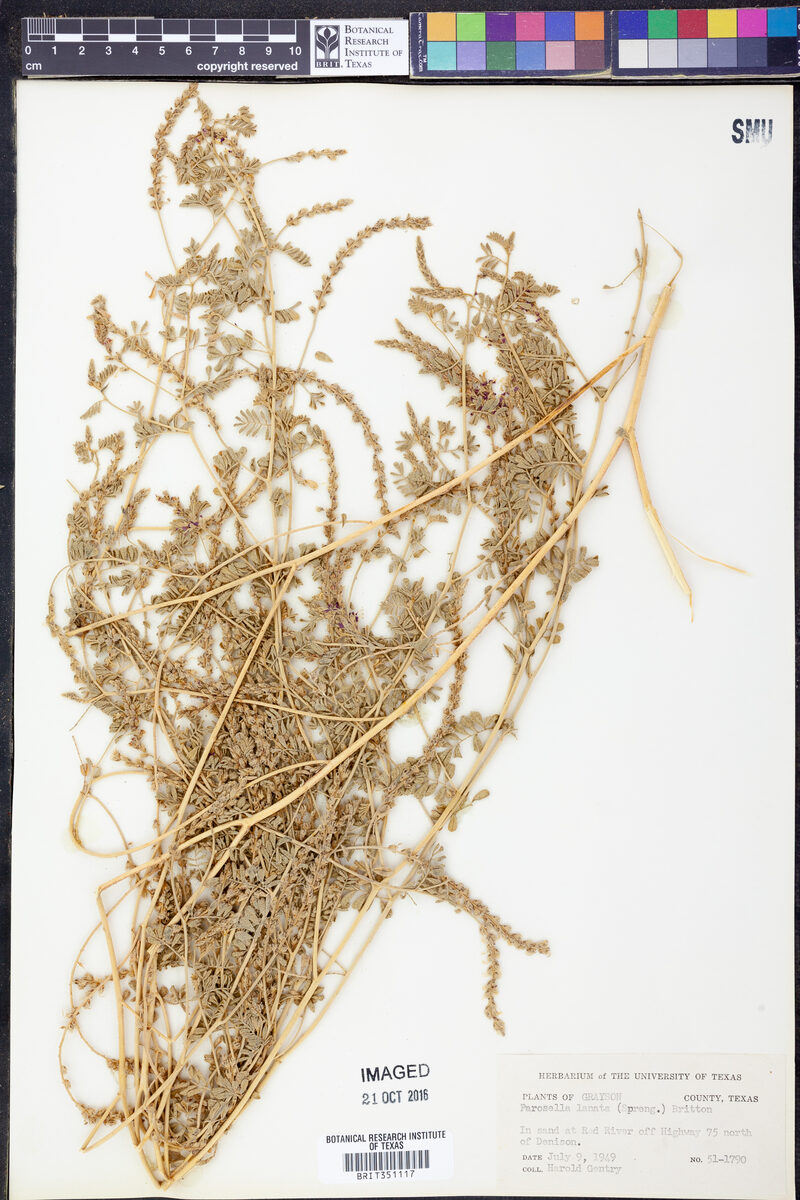
Parosela lanata
Woolly parosella, Woolly Prairie-clover, Woolly Prairieclover
Parosella lanata - (Spreng.)Britton.
Woolly Parosella
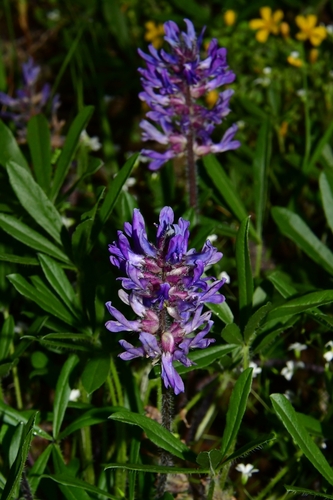
Pediomelum subacaule
White rim scurfpea, Nashville breadroot
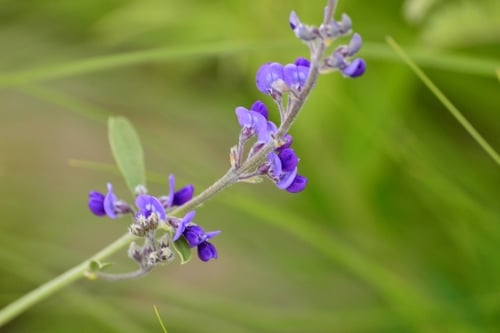
Pediomelum tenuiflorum
Slimflower scurfpea
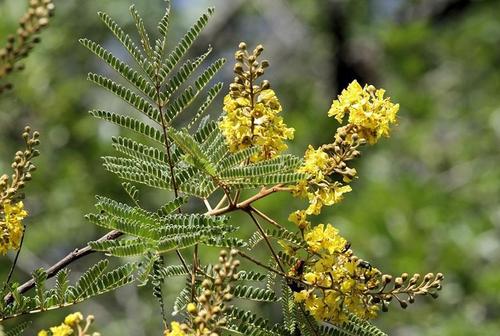
Peltophorum africanum
African wattle, Weeping wattle
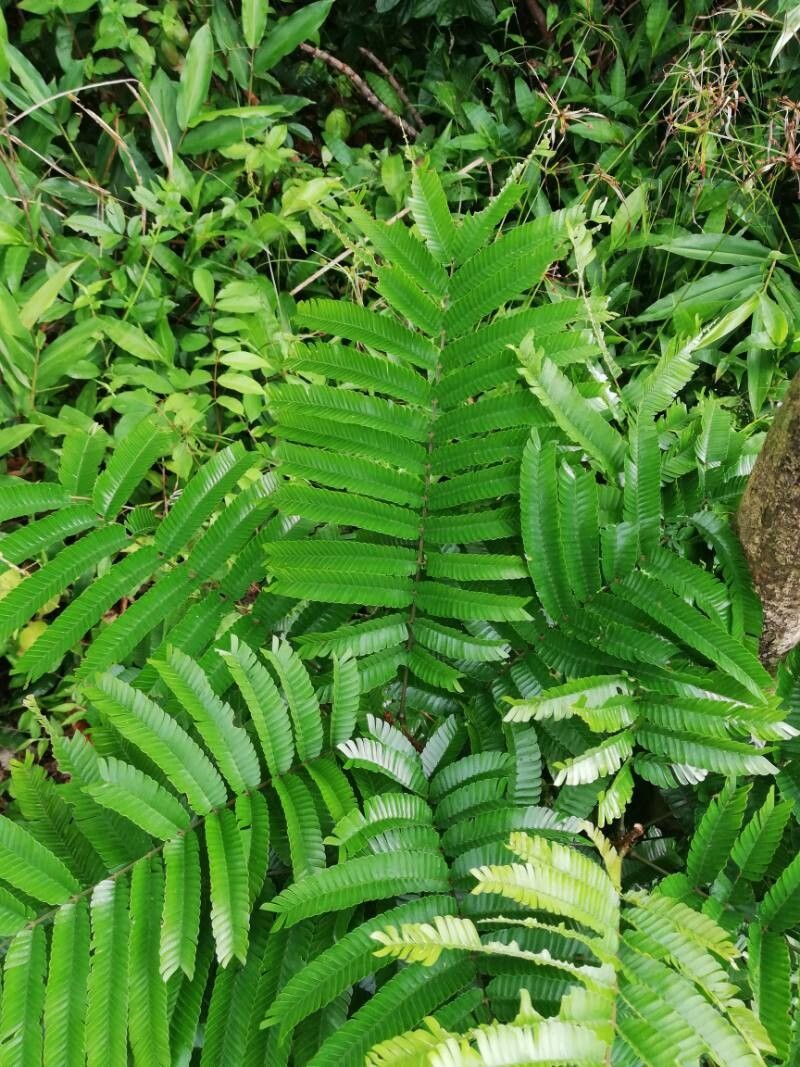
Pentaclethra eetveldeana