Leucaena diversifolia
(Schdl.) Benth.
Guache, Guaje
iNaturalist· cc-by
(c) Neptalí Ramírez Marcial, some rights reserved (CC BY), uploaded by Neptalí Ramírez Marcial
iNaturalist· cc-by-nc
(c) Natália, some rights reserved (CC BY-NC)
iNaturalist· cc-by-nc
(c) Natália, some rights reserved (CC BY-NC)
Summary
Source: WikipediaLeucaena diversifolia, the wild tamarind or red leucaena, is a species of flowering plant in the family Fabaceae, native to Mexico and Guatemala. It has been introduced as a cattle fodder in many tropical and subtropical locales around the world. It and its hybrid with Leucaena leucocephala are as aggressively invasive as L. leucocephala itself.
Description
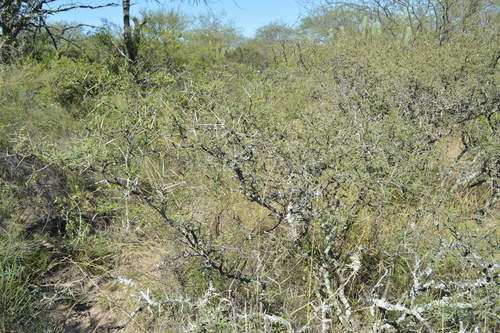
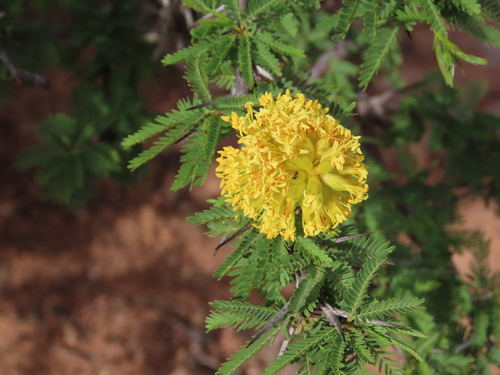
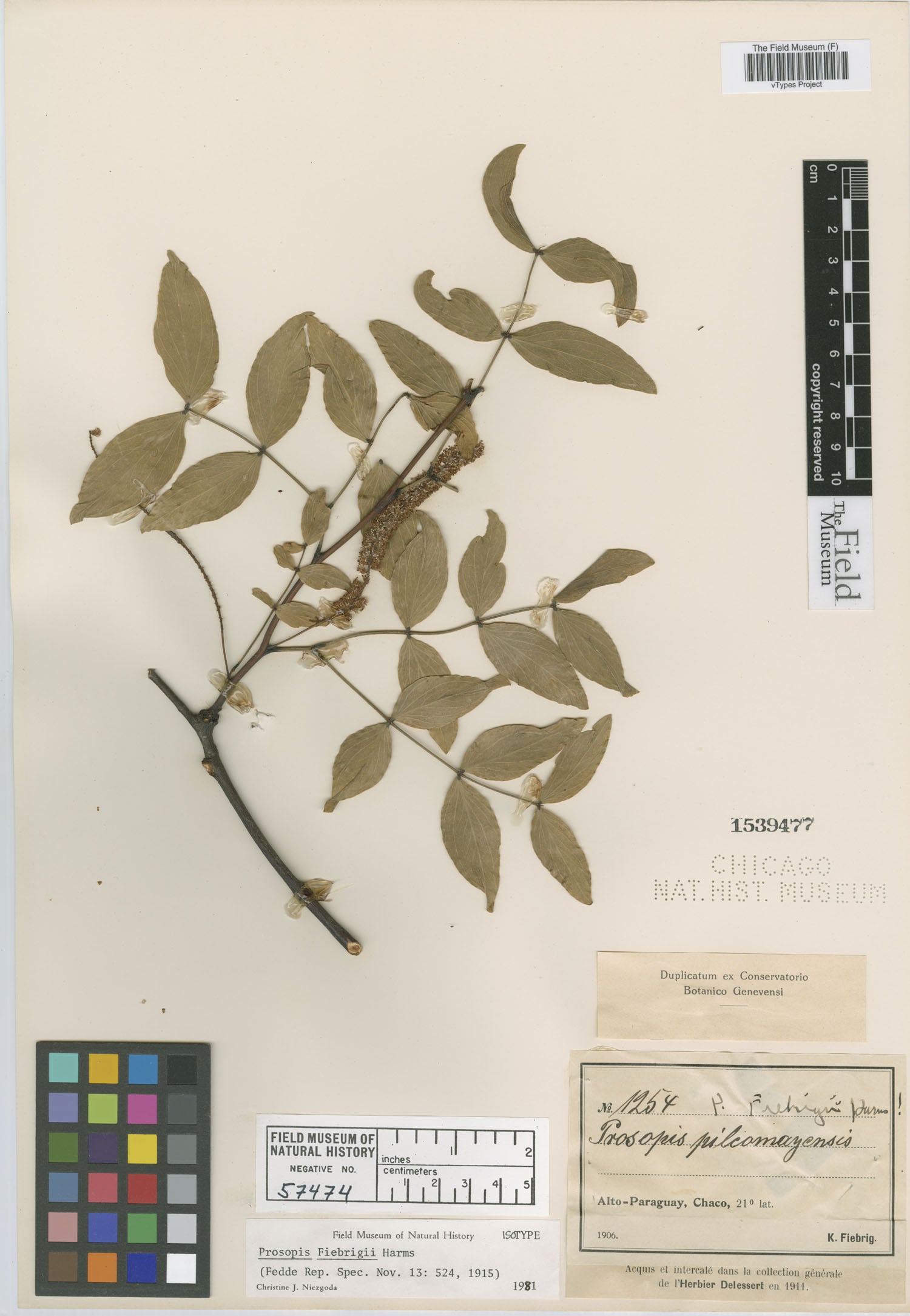
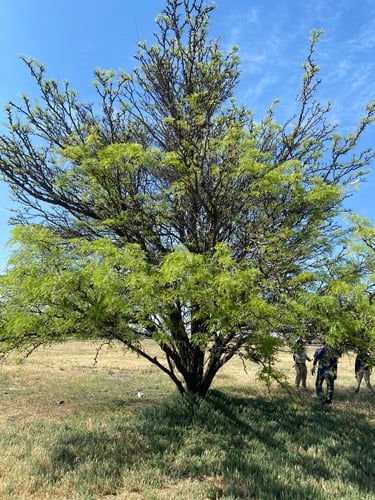
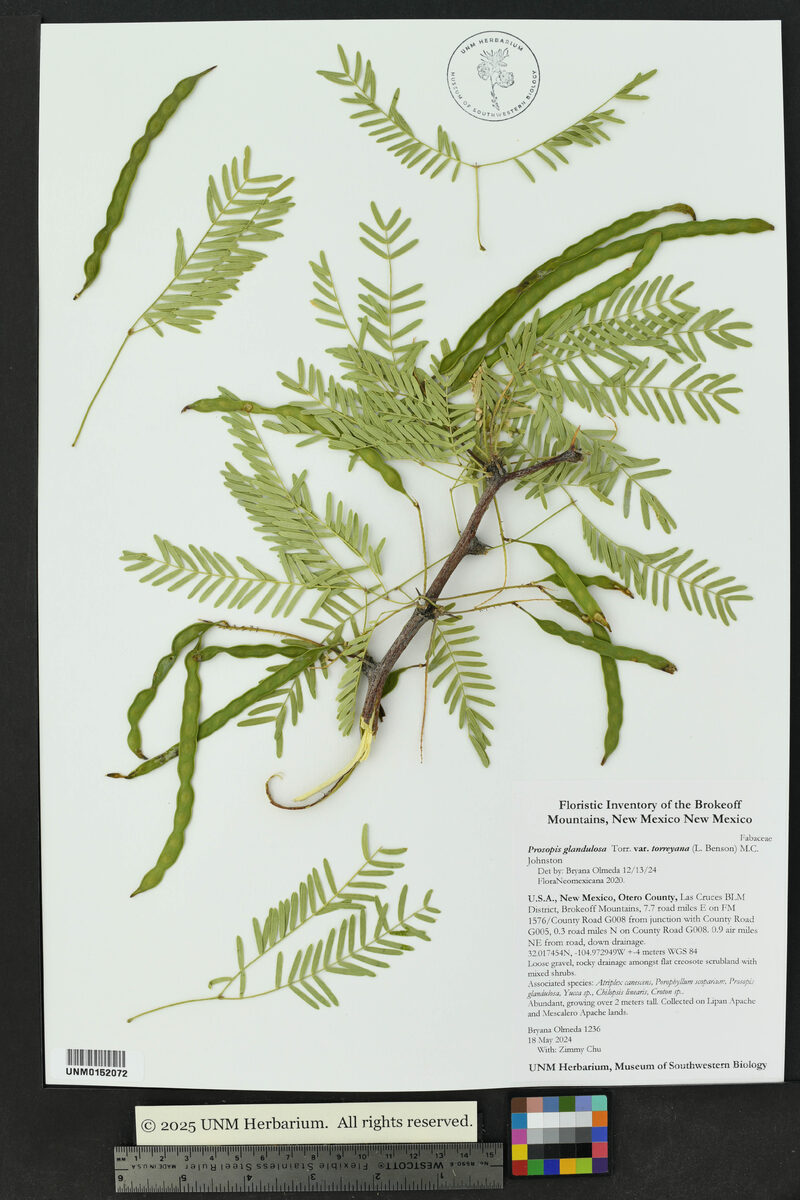
A tree. It grows 10-20 m tall. The bark is grey to brown and smooth. The leaves are dark green and compound. There are many small leaflets 1-2 mm wide and 1 cm long. The flowers are red. They are in clusters in the axils of leaves.
Edible Uses
Immature seed - raw or cooked. Often eaten raw as a snack when working in the field, Leucaena seeds are also often used as a garnish on cooked foods or added to stews, mixed with beans and maize tortillas etc. After removal from the pods, the unripe seeds can be dried and stored for later use or ground into a flour and mixed with wheat, corn etc. The seeds of this species are the smallest of any species in the genus; they are 4 - 5mm wide and 2 - 3mm long. There are 60,000 - 80,000 seeds/kg. We have no record of edibility for the seedpods of this species, but the immature seedpods of many species in Mexico are eaten raw or cooked. The dark brown or reddish-brown seedpods can be 70 - 150mm long and 11 - 17mm wide, containing 6 - 20 seeds. There are 1 - 6 pods prooduced per flower head.
Distribution
It is a tropical plant. At ECHO.
Where It Grows
Africa, Asia, Brazil, Caribbean, Central America, Guatemala, Honduras, Indonesia, Jamaica, Malawi, Martinique, Mexico*, North America, SE Asia, South America, West Indies,
Cultivation
Leucaena diversifolia succeeds in moist tropical and essentially frost-free subtropical areas at elevations up to 1,740 metres. It grows in areas where the mean annual temperature ranges from 18 - 30°c, and the mean annual rainfall is 600 - 3,500 mm, with up to 4 months dry period. Its natural distribution corresponds to a narrow zone of moist or very moist submontane evergreen forest, subject to frequent mist and cloud cover. It also grows sometimes abundantly in secondary vegetation. As a mid-elevation species, it is tolerant of cool climates but not frost. Grows best in a sunny position but tolerates some shade. Prefers slightly acid, fertile soils but is tolerant of leached soils. The aggressive nature and profuse growth of Leucaena diversifolia occasionally make it a weed. The plant is fast-growing, self-fertile; it flowers and fruits over an extended season and sets prodigious quantities of seed from an early age. In other words, it has all the traits to make it an aggressive colonizer of ruderal sites and secondary or disturbed vegetation in many places. This species forms spontaneous hybrids with Leucaena leucocephala extremely easily wherever the two species are brought together in cultivation. These hybrids are self fertile and extremely seedy, suggesting weediness risks. The unripe seedpods are harvested by climbing the trees and lopping the terminal branches or groups of pods, often crudely, with machetes, small knives or cutting poles. Annual pollarding in this way apparently causes only limited damage to the trees which resprout and fruit annually. The tree is moderately resistant to Psyllid damage. This species has a symbiotic relationship with certain soil bacteria, these bacteria form nodules on the roots and fix atmospheric nitrogen. Some of this nitrogen is utilized by the growing plant but some can also be used by other plants growing nearby.
Propagation
Seed - requires pre-treatment to allow water to penetrate the hard coat. This can be done by carefully abrading part of the seed coat, being careful not to damage the seed. Alternatively, soak the seeds in a small quantity of almost boiling water, which cools down quickly enough so that it does not cook the seed. Then soak the seed for 12 - 24 hours in warm water prior to sowing. Treated seeds can give 70% germination within one week. Typically, seedlings should be transplanted into the field 8 - 12 weeks after germination. Seed storage behaviour is orthodox; viability can be maintained for several years in hermetic storage at room temperature with 5 - 8% mc. Vegetative propagation from cuttings and grafts has generally failed, although tissue culture is successful.
Other Uses
A water-soluble gum is obtained from the plant It contains the sugar rhamnose. An attractive wood, it is hard, heavy and durable, but not available in sufficient quantities for commercial exploitation. It is used locally for heavy construction. Sufficiently large logs are used in construction and as poles. The pulp is desirable for paper production. One of the primary uses of the species is as a firewood and charcoal; its energy value is 900-19 300 kJ/kg. The plant has proved to be effective in controlling soil erosion. It is also planted in reforestation schemes for soil amelioration and stabilization. Its light crown, and ability to fix atmospheric nitrogen, makes it an ideal species for shade over perennial crops such as coffee The annual leaf dry matter production can reach 10 - 16 tonnes/hectare. When incorporated as green manure, this adds 72 - 119 kg nitrogen, 2.5 - 3 kg phosphorus, 29 - 60 kg potassium, 47 - 94 kg calcium and 7.5 - 18.5 kg magnesium to the soil per hectare.
Other Information
The pods are occasionally eaten.
Notes
This plant forms hybrids with other Leucaena species. Also as Mimosaceae.
Synonyms
Also Known As
Leucaena lukina
References (7)
- Bunderson, W. T. et al, 2002, Common Agroforestry Species in Malawi. Malawi Agroforestry Extension Project, Pubication No. 46, Lilongwe. p 20
- Cruz, I. M., et al, 2015, Edible fruits and seeds in the State of Mexico. Revista Mexicana de Ciencias Agricolas. Vol. 6. Num. 2 pp 331-346
- ILDIS Legumes of the World http:www:ildis.org/Legume/Web
- Mapes, C. & Basurto, F., 2016, Biodiversity and Edible Plants of Mexico. Chapter 5 in R. Lira, et al. (eds.), Ethnobotany of Mexico, Ethnobiology, Springer. p 94
- Pena, F. B., et al, 1998, Los quelites de la Sierra Norte de Puebla, Mexico: Inventory Y Formas de Preparacion. Bol. Soc. Bot. Mexico 62:49-62
Show all 7 references Hide references
- Segura, S., et al, 2018, The edible fruit species in Mexico. Genet Resour Crop Evol (2018) 65:1767–1793
- World Checklist of Useful Plant Species 2020. Royal Botanic Gardens, Kew