Acacia calamifolia
Lindl.
Reed-lea wattle
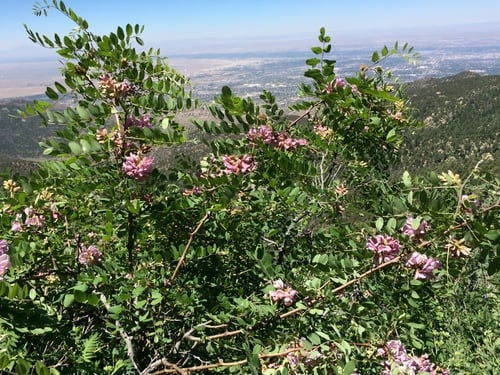
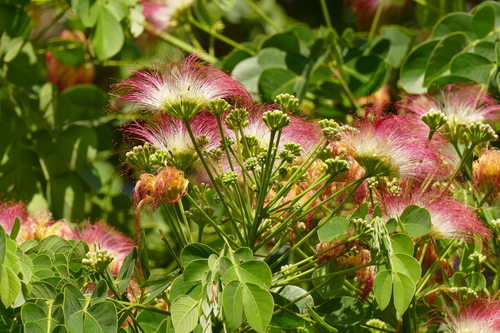
iNaturalist· cc-by-nc
(c) davidsando, some rights reserved (CC BY-NC), uploaded by davidsando
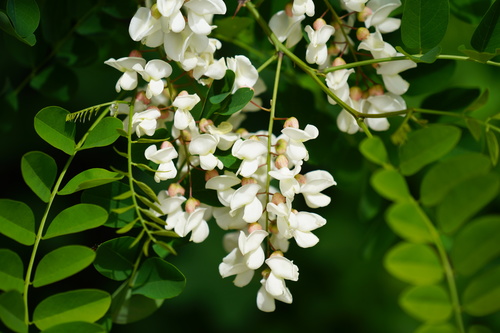
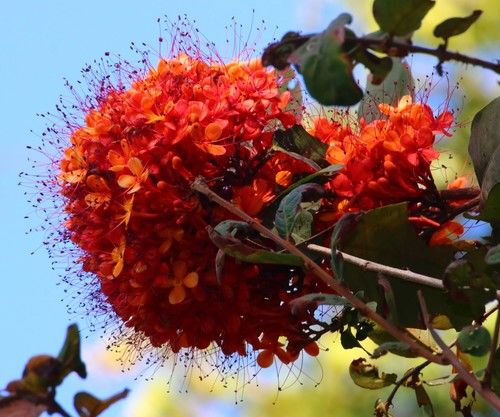
iNaturalist· cc-by-nc
(c) bellacorella, some rights reserved (CC BY-NC), uploaded by bellacorella
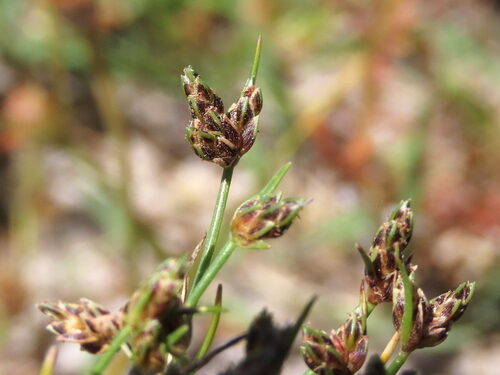
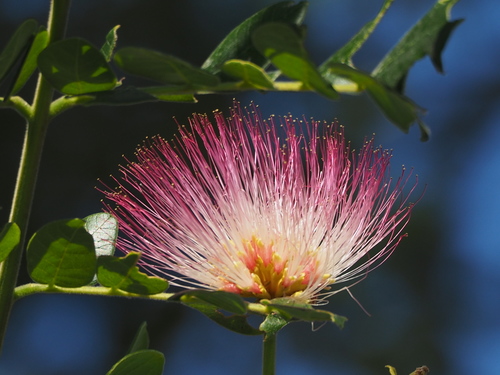
iNaturalist· cc-by-nc
(c) David Spencer Muirhead, some rights reserved (CC BY-NC), uploaded by David Spencer Muirhead
Summary
Source: WikipediaAcacia calamifolia, commonly known as wallowa, reed-leaf wattle or other common names, is a species of flowering plant in the family Fabaceae and is endemic to south-eastern continental Australia. It is an erect or spreading shrub with narrowly linear, terete or flat phyllodes, spherical heads of pale yellow to golden yellow flowers, and straight to curved or twisted, leathery pods.
Description
A shrub or small tree. It grows 5 m tall. There are prickles along the stem. The leaves are twice divided and there are 8-18 pairs of pinnae. There are up to 50 pairs of pinnules on each pinnae. The flowers are yellow. They are in large clusters at the ends of branches. The pods are flattened.
Edible Uses
The seeds are edible; they require scarification or boiling water treatment to break the hard seed coat before germination.
Distribution
It is a temperate plant. It can tolerate frosts.
Where It Grows
Africa, Australia*, Egypt,
Cultivation
The seeds need to have the hard seed coats broken by scarifying or putting in boiling water.
Notes
Also as Mimosaceae.
Synonyms
Also Known As
Wallowa
References (4)
- Bonney, N., 2012, Edible Wild Native Plants for Southern Australia. p 13
- Hassan, R. A. & Hamdy, R. S., 2021, Synoptic Overview of Exotic Acacia, Senegalia and Vachellia (Caesalpinioideae, Mimosoid Clade, Fabaceae) in Egypt. Plants 2021, 10, 1344.
- Permaculture website Ngare Ndare project Kenya
- Maslin, B. R., et al, 1998, Edible Wattle Seeds of Southern Australia. CSIRO p 66