Erythrina caffra
Thunb.
Cape kaffirboom, Caffra thorn
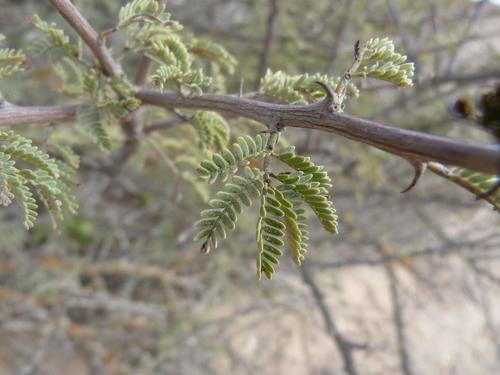
iNaturalist· cc-by-nc
(c) Peter Vos, some rights reserved (CC BY-NC)
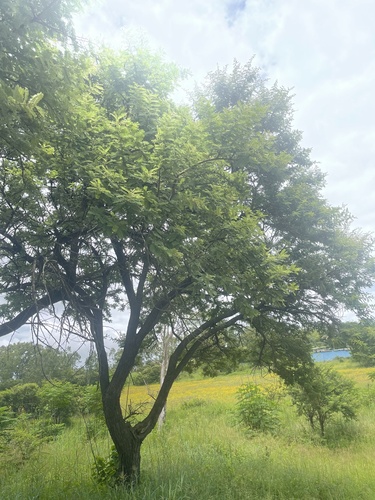
iNaturalist· cc-by-nc
(c) qgrobler, some rights reserved (CC BY-NC)
iNaturalist· cc-by-nc
(c) qgrobler, some rights reserved (CC BY-NC)
Description
A tropical tree in the Fabaceae family native to Africa.
This description is brief — help expand it
Edible Uses
Seeds are edible.
Medicinal Uses
All members of this genus produce a poison with a curare-like, and paralyzing action. This is used medicinally to relax the muscles in treating nervous diseases. Erythrina alkaloids are known to be highly toxic, but the traditional uses strongly suggest antibacterial, antiinflammatory and analgesic effects. The bark is used topically to treat sores, wounds, abscesses and arthritis. Open wounds may be treated with the powdered, burnt bark. The bark is also used to treat toothaches. An infusion of the leaves is used as eardrops in the treatment of earache. A decoction of the roots is used externally as a treatment for sprains.
Known Hazards
All Erythrina species contain greater or lesser amounts of toxic alkaloids - these can be found in all parts of the plant but are usually most concentrated in the seeds. Concentrations vary from species to species, in some it is low enough that the plant is safely used as a food. In many, the alkaloids are utilized for their medicinal effects. We have no specific information on the concentration of the alkaloids in this species, but care should be exercised in any use of the plant that involves ingestion. These alkaloids have a curare-like action (obtained from Strychnos species) and can cause paralysis and even death by respiratory failure.
Distribution
It is a tropical plant.
Where It Grows
Africa, East Africa, Mozambique, Slovenia, South Africa*, Southern Africa, St Helena,
Cultivation
A tree of the lowland subtropics, it is sometimes cultivated in tropical areas. It can be found at elevations up to 200 metres. It grows best in areas where annual daytime temperatures are within the range 16 - 28°c, but can tolerate 12 - 35°c. Mature plants can be killed by temperatures of -4°c or lower, but new growth will be severely damaged at 0°c. It prefers a mean annual rainfall in the range 700 - 1,000mm, but tolerates 400 - 1,500mm. An easily grown plant, it prefers a position in full sun. Prefers a well-drained soil. Plants can tolerate fairly moist soils as well as dry soils and poor soils. Found in the wild in various soil types from wet, well-drained, humus-rich soils to dry, clayey soils. Prefers a pH in the range 5.5 - 7, tolerating 5 - 7.5. Mature plants are fairly drought tolerant. A moderately fast-growing plant. This species is reported to hybridise freely with the related E. Lysistemon in areas where their ranges overlap. All species in this genus are believed to be self-compatible. Their flowers are adapted to pollination by birds, though various insects can also cause fertilization. The various species of Erythrina can all, as far as is known, be intercrossed to produce fertile hybrids. Those species most closely related to each other cross fairly readily, but even species that are quite distant can hybridize. The flowers produce nectar in abundance. This species has a symbiotic relationship with certain soil bacteria, these bacteria form nodules on the roots and fix atmospheric nitrogen. Some of this nitrogen is utilized by the growing plant but some can also be used by other plants growing nearby.
Propagation
Seed - it has a hard seedcoat and may benefit from scarification before sowing to speed up germination. This can usually be done by pouring a small amount of nearly boiling water on the seeds (being careful not to cook them!) and then soaking them for 12 - 24 hours in warm water. By this time they should have imbibed moisture and swollen - if they have not, then carefully make a nick in the seedcoat (being careful not to damage the embryo) and soak for a further 12 hours before sowing. Only sow seed that has sunk to the bottom of the water, any floating seed is very unlikely to germinate. Cuttings. An effective, and more instant, propagation method is by making giant hardwood cuttings called truncheons. These are branches measuring at least 40mm in diameter. This method works very well and cuttings must be taken just before the trees come out of dormancy. Allow the wound to dry for about 1 - 2 days, then bury one third of the truncheon in soil, while leaving two thirds exposed to produce the new growth. Smaller cuttings root just as well.
Other Uses
The highly decorative seeds are made into necklaces. The white or grey-blue wood is light in weight, very soft and spongy. Hollowed trunks are used traditionally to make canoes and troughs. Cubes of the wood are used as floats for fish nets. When tarred, the wood makes good roofing shingles. The wood is a good source of firewood. The plant has been used to make living fences - it is an effective livestock barrier. Most Erythrina species are very easy to grow from cuttings, with even quite large branches striking well. In addition, they generally fix atmospheric nitrogen, have nutrient-rich leaves that make an excellent soil-enriching mulch, often have open crowns that do not overly restrict light, and are also often quite thorny and can provide impenetrable barriers to protect from unwelcome intrusions. Many species are therefore used as living fences to provide boundaries and livestock-proof hedges. The plant has been used in soil conservation projects.
Also Known As
Južnoafriški koralnik
References (2)
- PROTA
- World Checklist of Useful Plant Species 2020. Royal Botanic Gardens, Kew