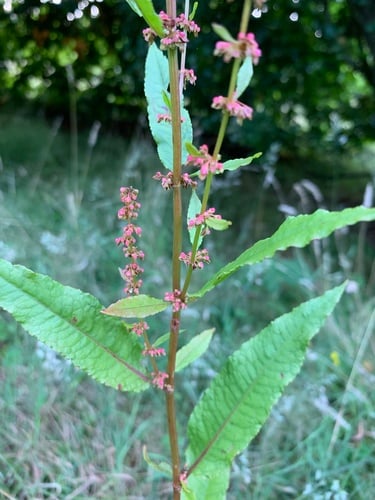
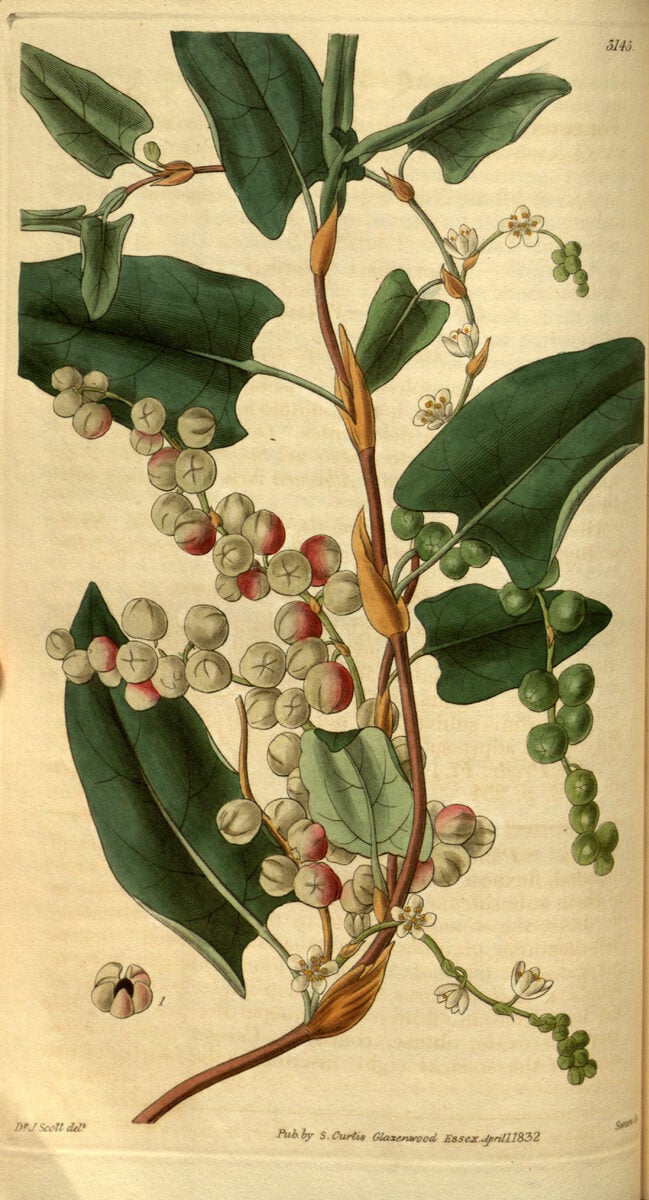
Coccoloba densifrons
Mart. ex Meisn.
Pixuna
gbif· cc-by-sa
GBIF
gbif· cc-by-nc
I. Huamantupa : Universidad Nacional San Antonio Abad de Cusco
gbif· cc-by-nc
Field Museum of Natural History - Botany Department
Description
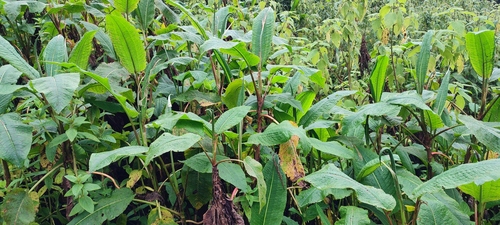
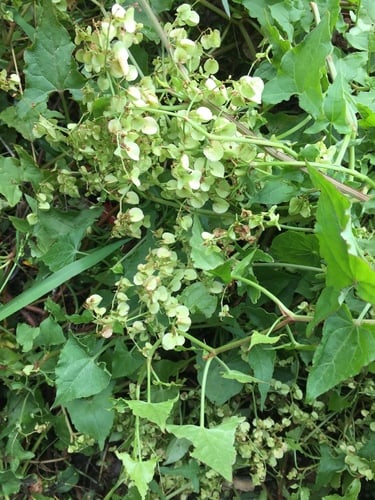
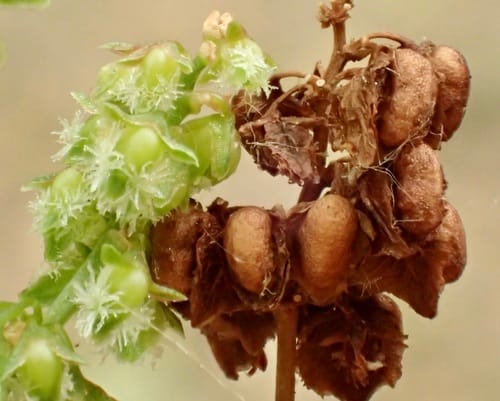
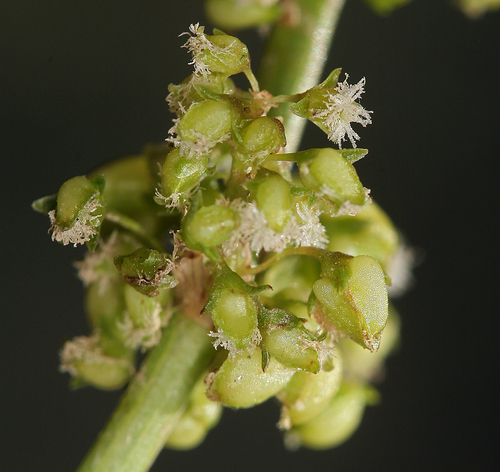
A shrub or tree. It can be 30 m tall. The fruit is black. It is round and 1 cm across. The fruit are in bunches of 40-50 fruit. There is one seed. The seed is 9 mm long by 8 mm wide.
Edible Uses
The fruit are eaten fresh and stain the mouth blue. The seeds are also edible.
Traditional Uses
The fruit are eaten. They stain the mouth blue.
This uses section is brief — help expand it
Distribution
It is a tropical plant. It grows in the lowlands and along riverbanks. It is also along the edges of lakes and sediment rich and blackwater rivers. It can occur up to 1,200 m above sea level.
Where It Grows
Amazon, Bolivia*, Brazil, Colombia*, Ecuador*, Guyana, Peru*, South America*, Suriname, Venezuela,
Synonyms
Also Known As
Acha caspi, Bdidiyo weme, Bedede yoweme, Bedeyawewe, Blauwtu, Espinoso, Guayabachi, Licuanco, Masari, Motilon, Pepito negro, Remo caspi, Serra, Tangarana blanca, Vino huayo, Yaca, Yawati kaspi
References (8)
- Grandtner, M. M. & Chevrette, J., 2013, Dictionary of Trees, Volume 2: South America: Nomenclature, Taxonomy and Ecology. Academic Press p 147
- Kermath, B. M., et al, 2014, Food Plants in the Americas: A survey of the domesticated, cultivated and wild plants used for Human food in North, Central and South America and the Caribbean. On line draft. p 249
- Kermath, B. M., et al, 2014, Food Plants in the Americas: A survey of the domesticated, cultivated and wild plants used for Human food in North, Central and South America and the Caribbean. On line draft. p 249 (As Coccoloba pichuma)
- Lopez-Diago, D. & Garcia, N., 2021, Wild edible fruits of Colombia. Biota ColomBiana 22 (2) p 48
- Roa, J. A. G. & Boada, D. S. G., 2018, Fundación para el Fortalecimiento de la Fruticultura y Plantas Alimenticias no Convencionales en Colombia.
Show all 8 references Hide references
- Smith, N., et al, 2007, Amazon River Fruits. Flavors for Conservation. Missouri Botanical Gardens Press. p 218
- Torre, de la, L., et al, 2008, Enciclopedia de las Plantas Útiles del Ecuador. Herbario QCA. Pontificia Universidad Católica del Ecuador. p 525
- van Andel, T., 2000, Useful plants of Guyana. Non-timber forest products of the North-West District of Guyana. Part 2. A Field Guide. Tropenbos-Guyana Programme. p 301