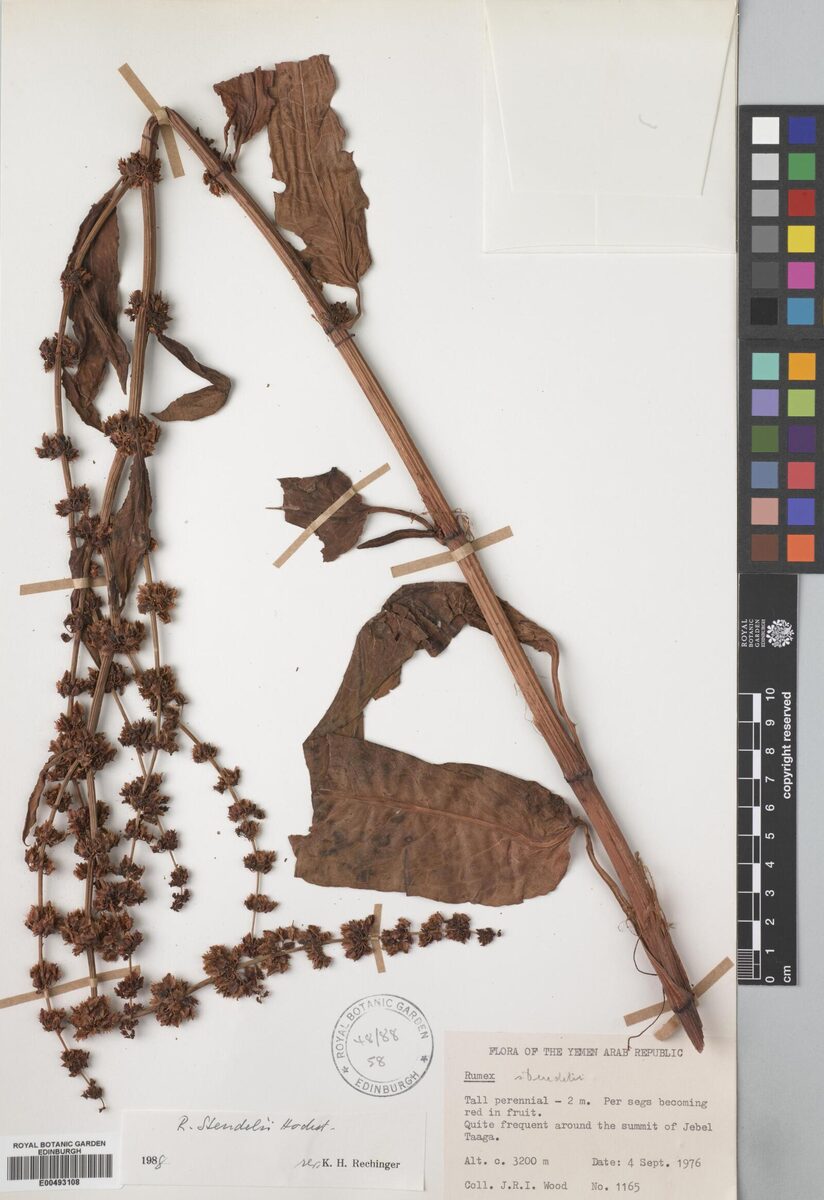
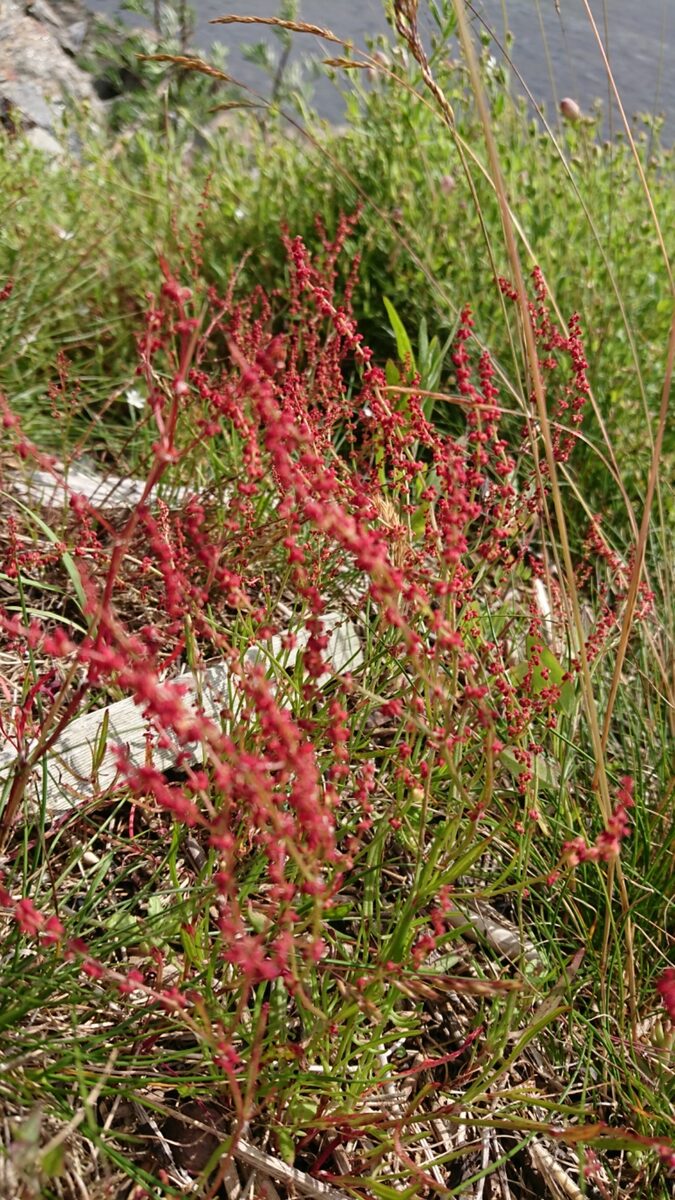
Rumex salicifolius subsp. mexicanus
(Meisn.) A. E. Murray
Mexican dock
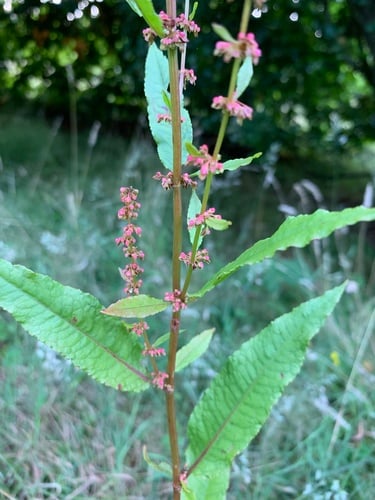
iNaturalist· cc-by
(c) Steve Matson, some rights reserved (CC BY), uploaded by Steve Matson
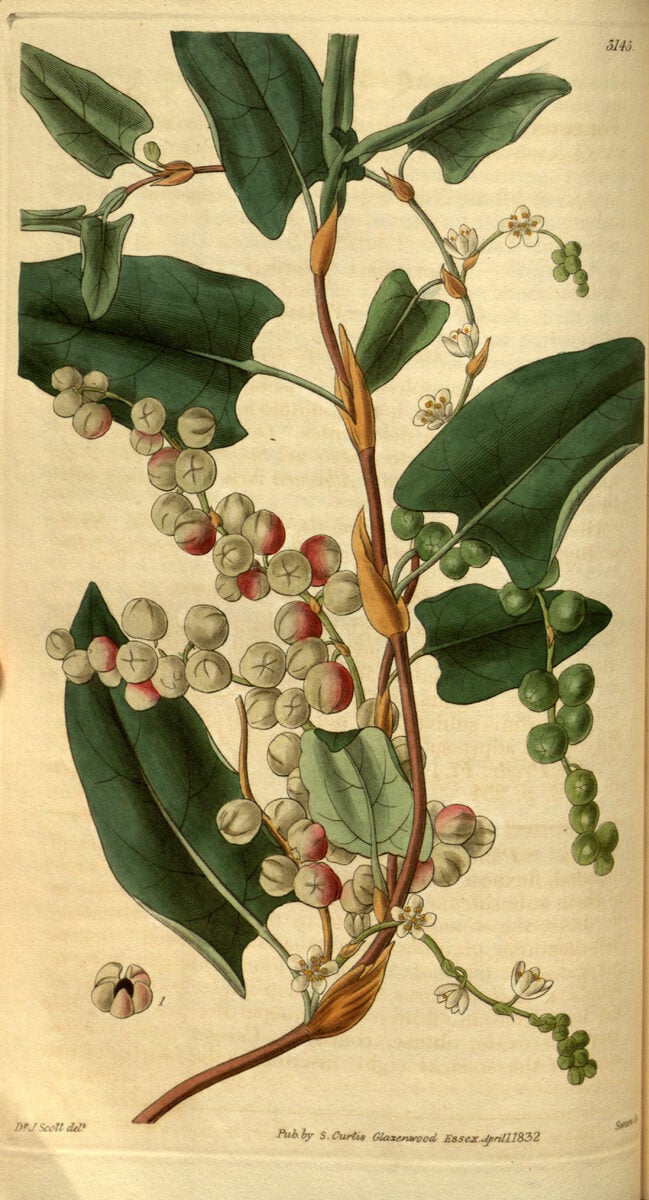
iNaturalist· cc-by
(c) Andrey Zharkikh, some rights reserved (CC BY)
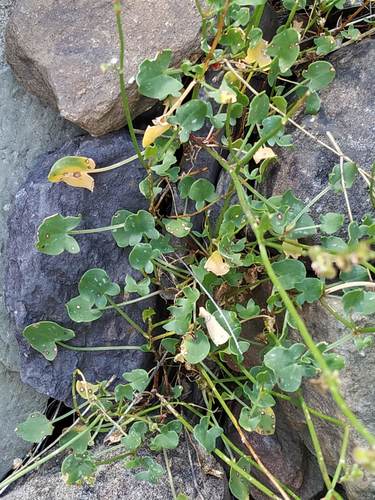
iNaturalist· cc-by-nc
(c) Sue Janssen, some rights reserved (CC BY-NC), uploaded by Sue Janssen
Summary
Source: WikipediaRumex salicifolius is a species of flowering perennial plant in the knotweed family known by the common names willow dock and willow-leaved dock. It is native to much of western North America, and more specifically, in southern and central parts of California, and some parts of Arizona and Nevada. It can also be found in parts of Europe as an introduced species and a roadside weed. It is an extremely variable plant which is generally divided into many varieties, some of which may actually be specimens of other species.
Description
A temperate herbaceous plant in the dock family with edible leaves and seeds.
This description is brief — help expand it
Edible Uses
The leaves are eaten as greens.
Traditional Uses
The leaves are eaten as greens.
This uses section is brief — help expand it
Medicinal Uses
The Zuni people use the mexicanus variety medicinally. A strong infusion of the root is made and given to women by their husbands to help them to become pregnant. The ground root, or an infusion of it, is taken also for sore throat, especially by sword swallowers. This species is also used in the treatment and management of chronic pain of the aboriginal people of the Canadian Boreal Forest. It is used to treat chronic migraine/headache, chronic back pain, and chronic rheumatism/arthritis. In studies it has proven to be successful in aiding people with anti-inflammation and significant pain relief.
Distribution
It is a temperate plant.
Where It Grows
North America, USA,
Synonyms
References (2)
- Kermath, B. M., et al, 2014, Food Plants in the Americas: A survey of the domesticated, cultivated and wild plants used for Human food in North, Central and South America and the Caribbean. On line draft. p 769
- Moerman, D. F., 2010, Native American Ethnobotany. Timber Press. p 498