Walsura pinnata
Hassk.
gbif· cc0
President and Fellows of Harvard College
gbif· cc0
President and Fellows of Harvard College
gbif· cc0
President and Fellows of Harvard College
Summary
Source: WikipediaWalsura pinnata is a tree in the family Meliaceae. The specific epithet pinnata is from the Latin meaning 'feather-like', referring to the leaves.
Description
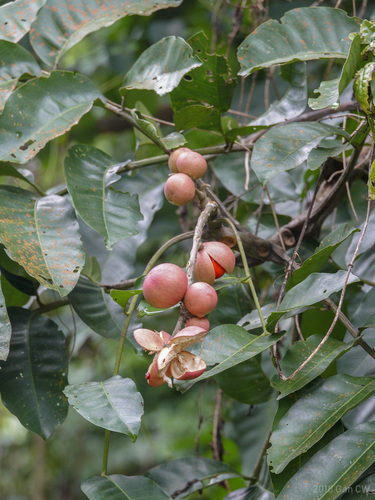
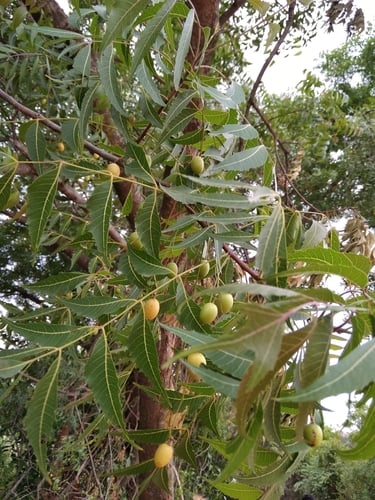
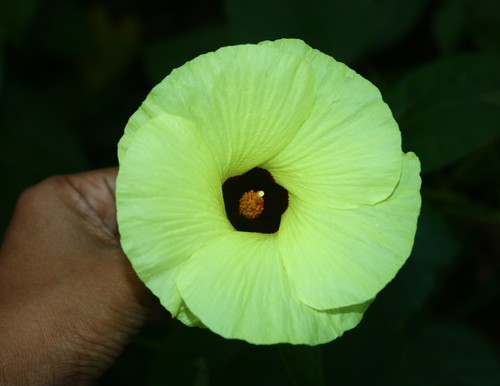
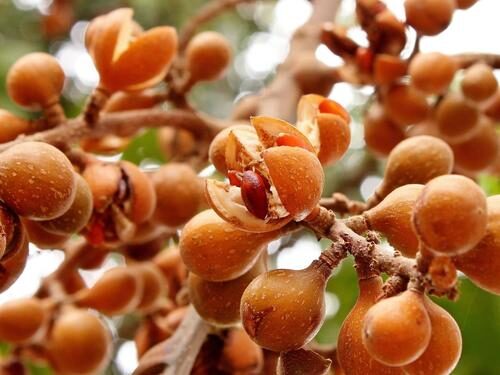
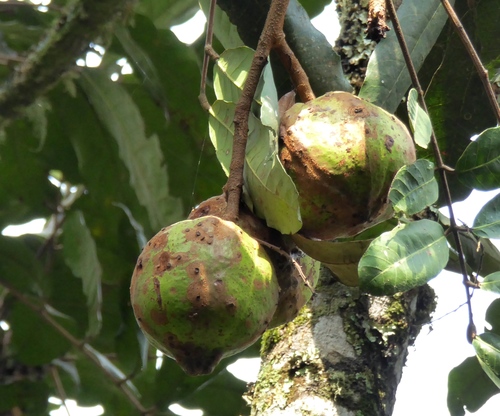
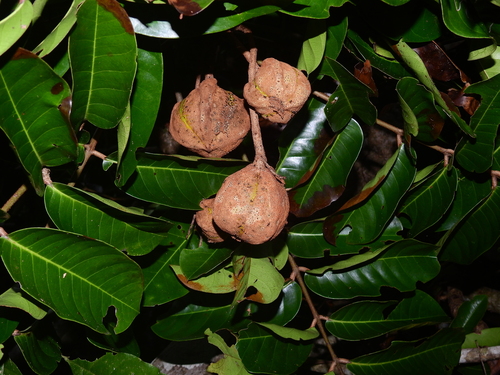
A tree. It grows about 30 m tall. The leaves are alternate and compound. The leaflets are whitish underneath. The flowers are greenish-yellow and 6 mm across. They are in groups. The fruit are about 3 cm across. They are brown to orange. They are fleshy.
Edible Uses
Fruit. The succulent, sweet-tasting flesh can be white or colourless The fruit is a brown-orange, fleshy berry 12 - 28mm in diameter, surrounding a single seed.
Traditional Uses
The fruit are eaten raw.
This uses section is brief — help expand it
Medicinal Uses
The bark and fruits are rich in tannins, A decoction of them is used as a treatment for diarrhoea and dysentery.
Distribution
It is a tropical plant. It grows in open forest up to 1,100 m above sea level. It if often on hillsides but can be along streams. It grows on sandy, clay and limestone soils.
Where It Grows
Asia, Cambodia, China, Indochina, Indonesia, Laos, Malaysia, Myanmar, New Guinea, Philippines, SE Asia, Taiwan, Thailand, Vietnam,
Other Uses
The yellow wood is hard and durable. It is used in construction, especially for houses.
Production
In China plants flower February to July and fruit June to December.
Other Information
It is a cultivated fruit tree.
Synonyms
Also Known As
Kaeo lao, Mata kuching hutan, Nhan moi, Rihat purok
References (4)
- Flora Malesia
- Sang, D. T., & Mizoue, K. O. N., 2012, Use of Edible Forest Plants among Indigenous Ethnic Minorities in Cat Tien Biosphere Reserve, Vietnam. Asian Journal of Biodiversity Vol. 3 (1), p 23-49 (As Walsura cochinchinensis)
- Slik, F., www.asianplant.net
- Wongprasert, T. et al, 2011, A Synoptic Account of the Meliaceae of Thailand. Thai For. Bull. 39:210-266