Cabralea canjerana
(Vell.) Mart.
Canjerana
iNaturalist· cc-by-nc-sa
(c) Mauricio Mercadante, some rights reserved (CC BY-NC-SA)
iNaturalist· cc-by-nc
(c) looki, some rights reserved (CC BY-NC)
iNaturalist· cc-by-nc-sa
(c) Mauricio Mercadante, some rights reserved (CC BY-NC-SA)
gbif· cc-by-sa
José Valdir Reinehr Junior
gbif· cc-by-sa
Makoto
Description
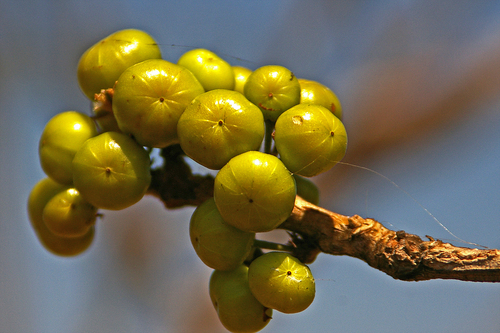
A shrub or tree up to 17 m tall. The leaves are 80 cm long with 6-12 opposite leaflets. These are 4 to 22 cm long by 1-6 cm wide. The fruit is 2-5 cm across and has 5 valves. There are 1 or 2 seeds in each section.
Edible Uses
The fruit is eaten.
Medicinal Uses
The bark of both stem and roots is used medicinally, though that of the root is the more powerful. They are abortifacient, antiarthritic, digestive, emetic, febrifuge and narcotic. They are used in the treatment of swamp fever and dropsy. A wood extract is used in the treatment of dyspepsia and skin afflictions.
Distribution
It is a tropical plant.
Where It Grows
Bolivia, Brazil, Central America, Costa Rica, South America,
Cultivation
Succeeds from low to medium elevations in the Tropics. Prefers a sunny position. A slow-growing plant.
Propagation
Seed - it only has a short viability of up to 30 days. The fleshy aril should be removed immediately, since that can hinder germination. Sow in a shaded nursery bed. Germination is slow, with a low proportion of the seed germinating. The young plants grow away slowly.
Other Uses
A red dye is obtained from the sawdust when it is soaked in water. The heartwood is typically dull red or maroon, sometimes lighter coloured with purplish streaks; it is not always sharply demarcated from the pinkish sapwood. The texture is medium to coarse; the grain generally straight, sometimes wavy; the wood has a fragrant scent when fresh but is without odour or taste when dry. The wood is moderately heavy, firm, strong, rather brittle, fairly durable, being resistant to attack by decay fungi and insects. It is easy to work and finishes smoothly. It is used locally for construction work, interior and exterior of houses, furniture, joinery, carving, fence posts for marshy ground, etc. It is a favoured wood for carving in Brazil.
Synonyms
References (1)
- Kermath, B. M., et al, 2014, Food Plants in the Americas: A survey of the domesticated, cultivated and wild plants used for Human food in North, Central and South America and the Caribbean. On line draft. p 157