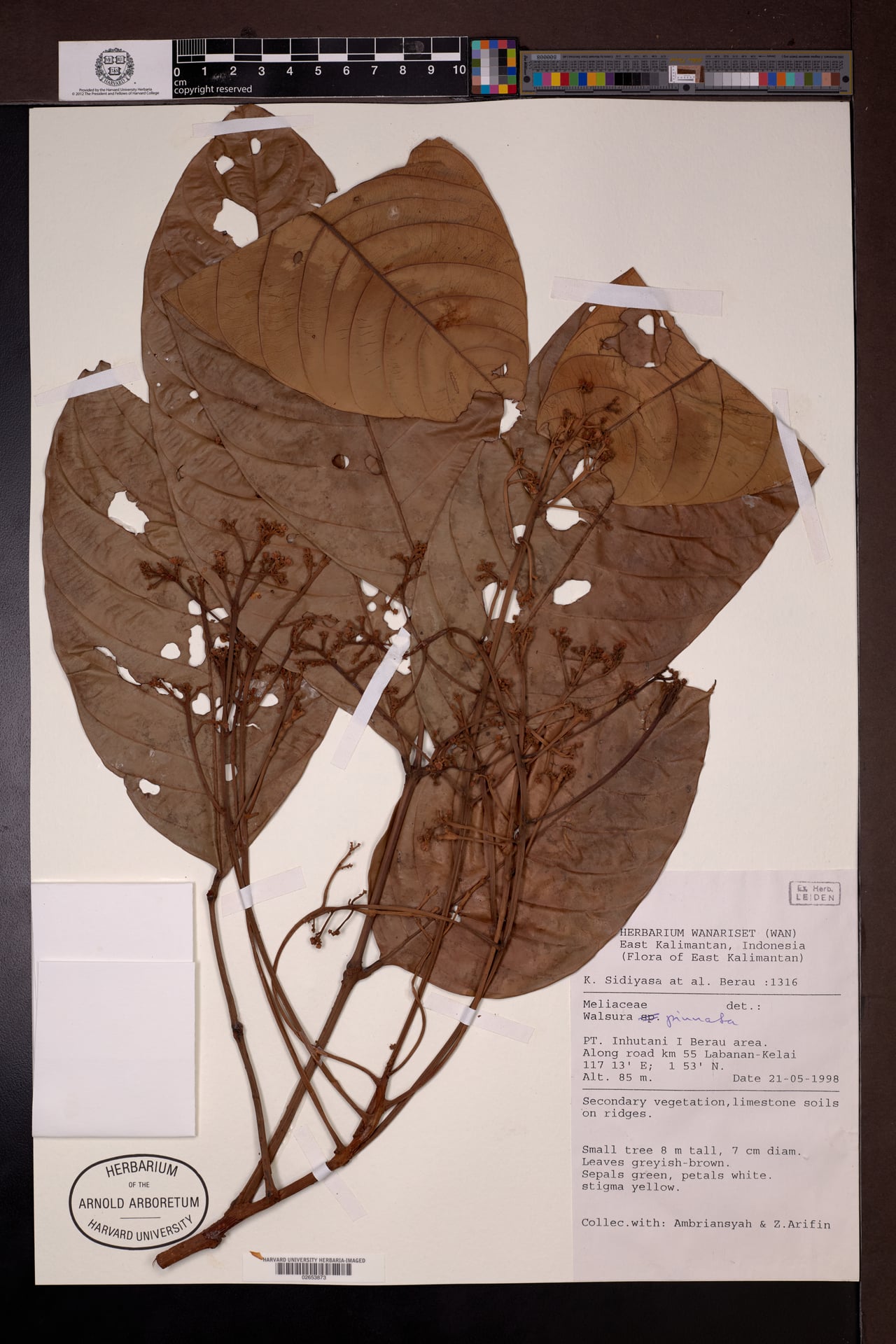
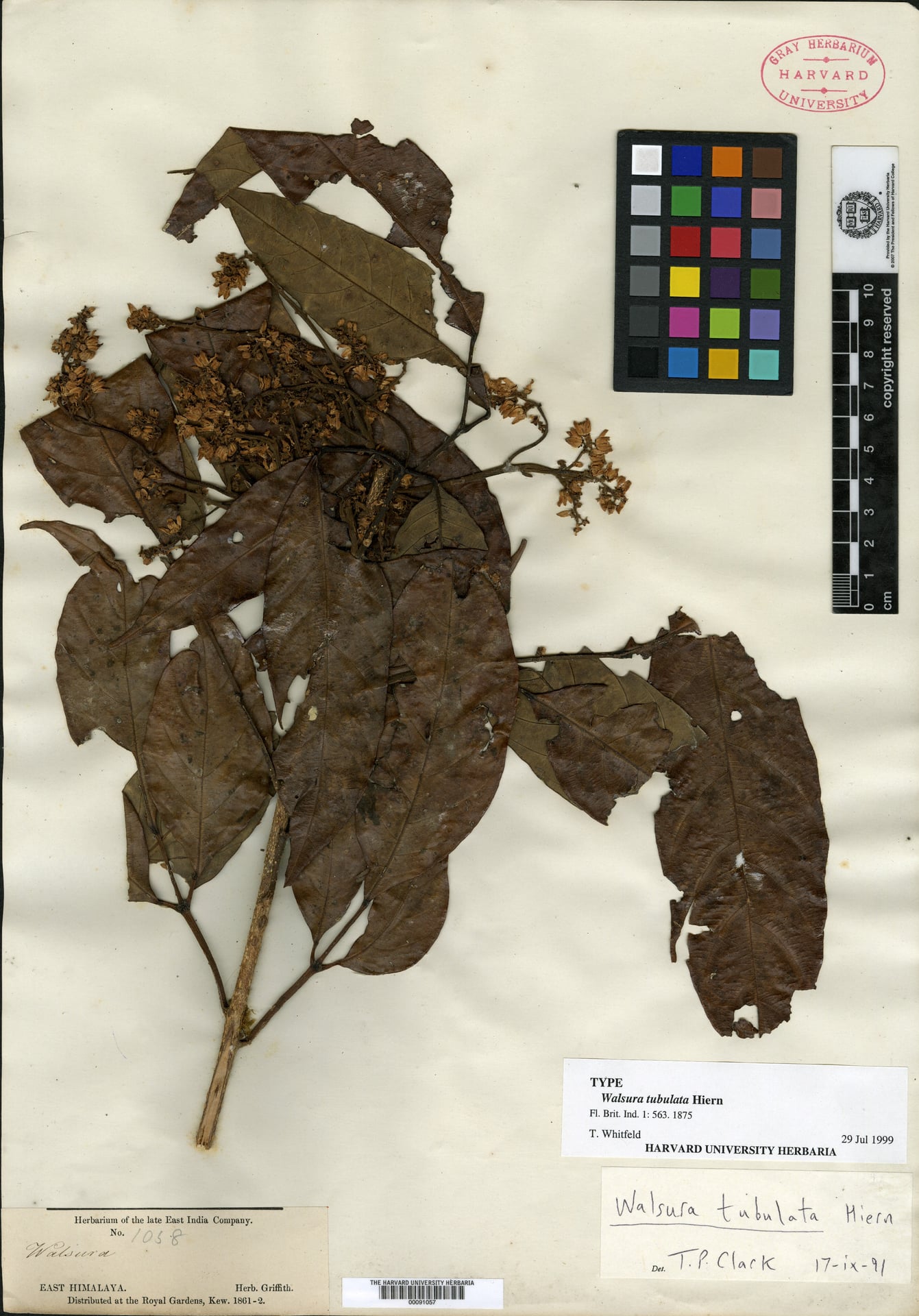
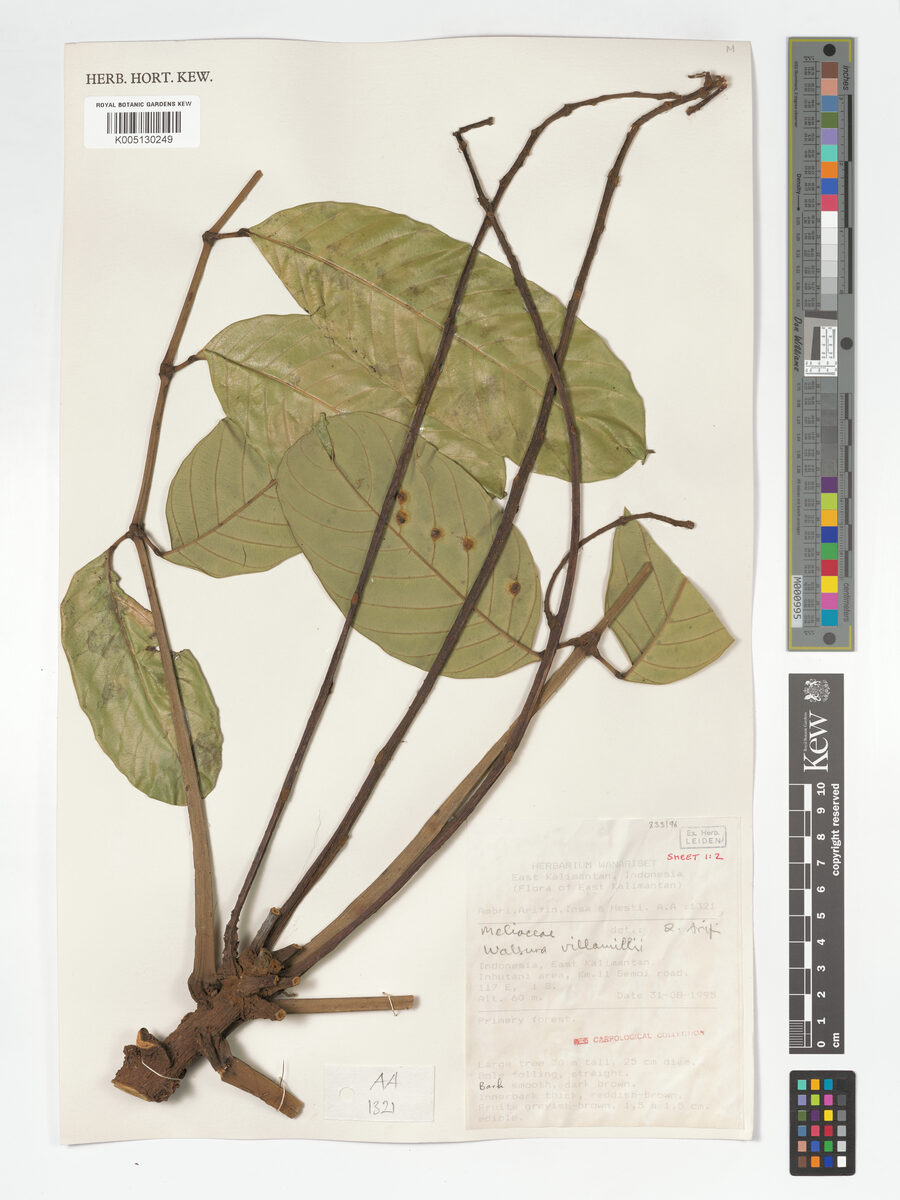
Aphanamixis polystachya
(Wall.) R. Parker
Pithraj tree
iNaturalist· cc-by-nc
(c) Cheongweei Gan, some rights reserved (CC BY-NC), uploaded by Cheongweei Gan
iNaturalist· cc-by-sa
(c) Vinayaraj, some rights reserved (CC BY-SA)
iNaturalist· pd
Daderot, no known copyright restrictions (public domain)
Summary
Source: WikipediaAphanamixis polystachya, the pithraj tree, is a species of tree in the family Meliaceae. It is native to India, Pakistan, Nepal, Bhutan, Bangladesh, Myanmar and Sri Lanka. It is a widely used as a medicinal plant in Ayurveda.
Description
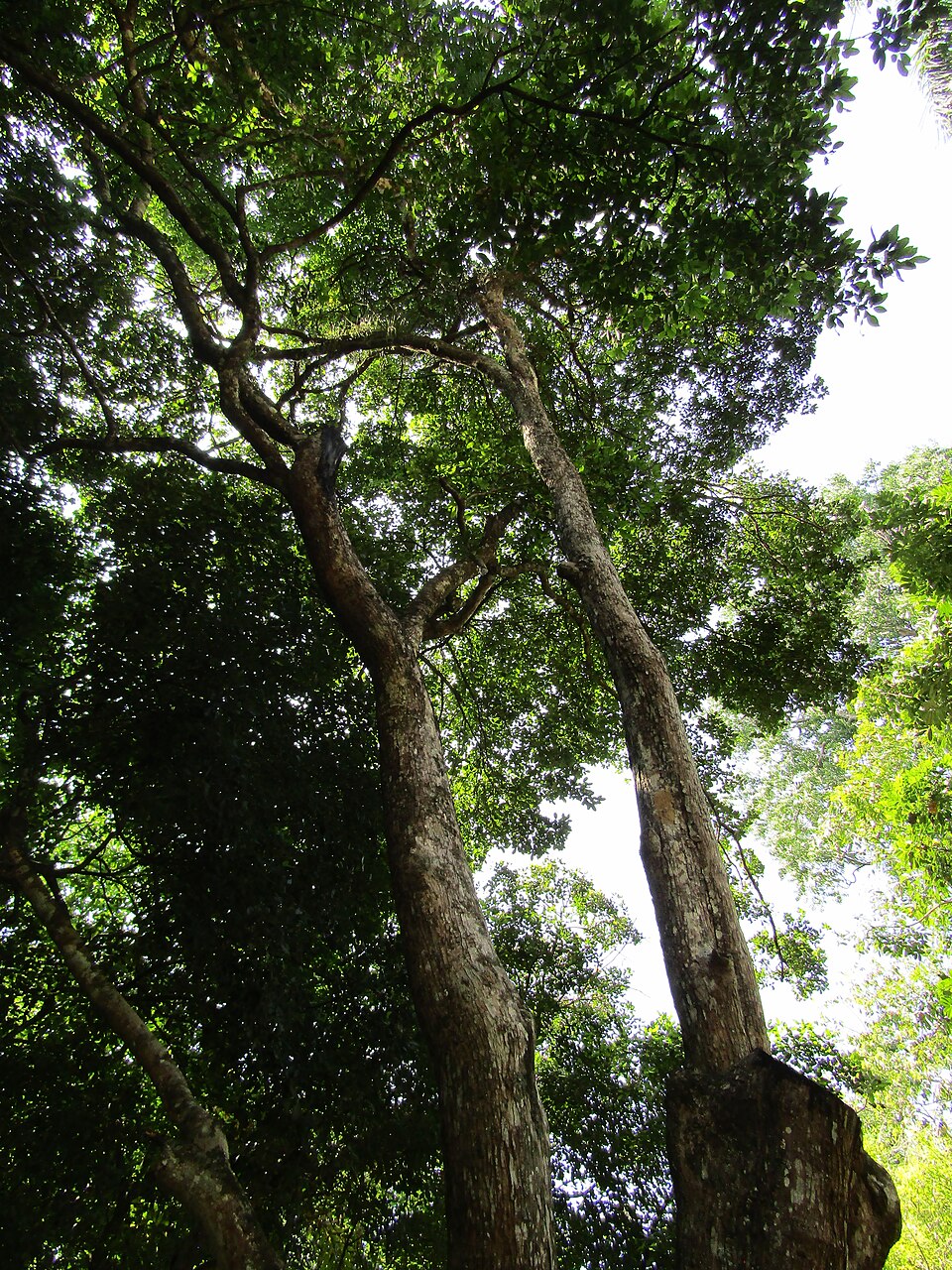
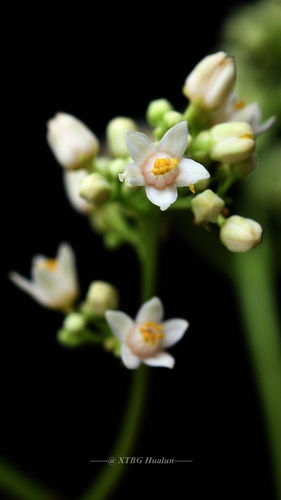
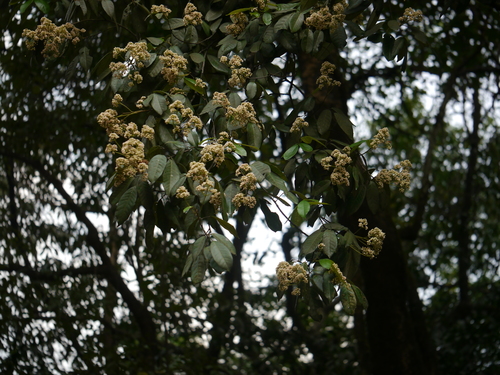
A medium sized tree. It grows 20 m tall. The trunk can be 70 cm across. The young leaves are red. The leaflets are narrowly oblong and unequal on the sides. The flowers are yellow to bronze and waxy. The fruit are 2-4 cm across and pink or red. The seeds have an orange oily aril or fleshy layer.
Edible Uses
The ripe fruit are eaten fresh, while young fruit are used as a vegetable and pickled. Fruit are occasionally sold in local markets.
Traditional Uses
The ripe fruit are eaten. The young fruit are used as a vegetable. The fruit are pickled.
This uses section is brief — help expand it
Medicinal Uses
The bark is astringent. It is used in the treatment of spleen and liver diseases, tumours and abdominal complaints. The bark is used for a remedy for rheumatism, colds and chest pains. The oil from the seed is used as a liniment in the treatment of rheumatism.
Distribution
It is a tropical plant. It grows in evergreen and swamp forest. In deciduous forests it is near streams. In Thailand it grows between 10-1,360 m above sea level.
Where It Grows
Andamans, Asia, Bangladesh, Bhutan, China, Himalayas, India, Indochina, Indonesia, Laos, Malaysia, Myanmar, Northeastern India, Papua New Guinea, PNG, Philippines, SE Asia, Sikkim, Singapore, Sri Lanka, Thailand, Vietnam,
Cultivation
Plants can be grown from seed.
Other Uses
The oil obtained from the seed is used for illumination, making soap and as a lubricating oil. Called rohituka oil, it has a camphor-like scent. Extracts of the leaves and fruits have insecticidal properties. Mashed leaves in a water solution are an effective antifeedant, able to protect crops against insect pests. Extracts from the twigs, bark, fruit and seeds are also effective anti-feedants. Mashed leaves in a water solution are used to protect the fruiting heads of rice from disease. The very fine wood is used for construction and ship-making, and is suitable for furniture.
Production
Plants flower and fruit December to March. In Thailand they commonly flower April to August and fruit August to March.
Other Information
Fruit are occasionally sold in local markets.
Notes
The oil from the seeds is used for lighting. An unresolved name in The Plant List.
Synonyms
Also Known As
Bagi-rata, Chaya-kaya, Heirangkhoi, Horitaki, Khamin dong, Lao hang, Lasunay, Ma-a, Mahang kan, Pitraj, Pohon kayu gula, Pohon pitraya, Sang khriat ko hok, Ta pu, Ta suea, Ta-gat-net, Than-that-gyi, Thit-ni, Tum dong
References (8)
- Devi, O.S., P. Komor & D. Das, 2010, A checklist of traditional edible bio-resources from Ima markets of Imphal Valley, Manipur, India. Journal of Threatened Taxa 2(11): 1291-1296
- Majumdar, K and Datta, N., 2009, Traditional wild edible fruits for the forest dwellers of Tripura, India. Pleione 3(2) 167-178
- Prodr. fl. Ind. orient. 119. 1834 (As Amoora rohituka)
- Rashid, H. E., 1977, Geography of Bangladesh. Westview. p 348 (As Amoora rohituka)
- Slik, F., www.asianplant.net
Show all 8 references Hide references
- Sukarya, D. G., (Ed.) 2013, 3,500 Plant Species of the Botanic Gardens of Indonesia. LIPI p 131
- Wongprasert, T. et al, 2011, A Synoptic Account of the Meliaceae of Thailand. Thai For. Bull. 39:210-266
- World Checklist of Useful Plant Species 2020. Royal Botanic Gardens, Kew