Alstonia spatulata
Bl.
iNaturalist· cc-by-nc
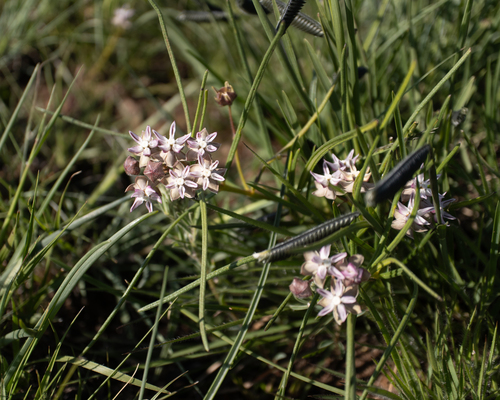
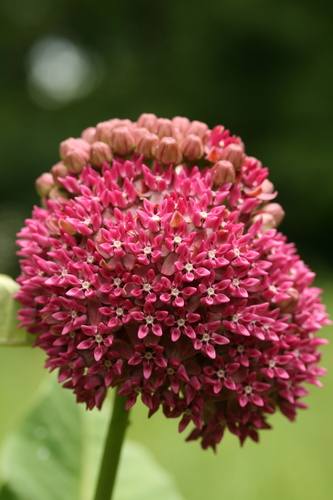
(c) John Howes, some rights reserved (CC BY-NC), uploaded by John Howes
iNaturalist· cc-by-nc
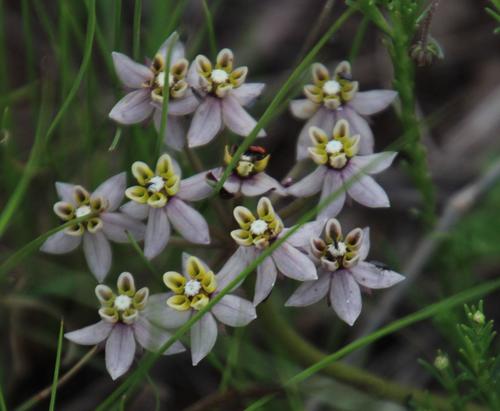
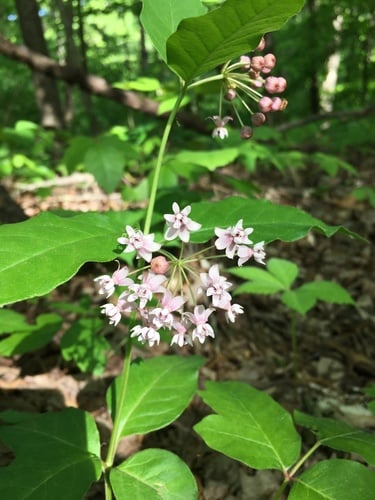
(c) Akmal Idham, some rights reserved (CC BY-NC), uploaded by Akmal Idham
iNaturalist· cc-by-nc-nd
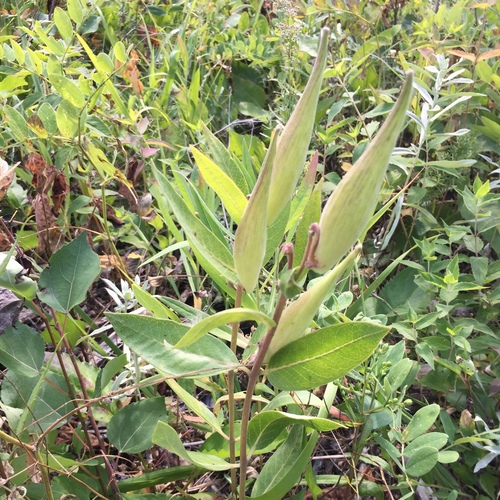
(c) Cerlin Ng, some rights reserved (CC BY-NC-ND)
Summary
Source: WikipediaAlstonia spatulata, also called hard milkwood or Siamese balsa, is a species of tree in the family Apocynaceae. It is found in Cambodia [(Deum Chias ដើមជាស) or (Deum Satba ដើមស័ត្បា), or Deum Chamrong Preah Ream ដើមចំរុងព្រះរាម)], Indonesia, Laos, Malaysia, Papua New Guinea, the Philippines, Singapore, Thailand, and Vietnam.
Description
A tree. It grows 25 m high. The stem has white latex. The leaves are in rings. They are simple. The flowers are 14 mm across. They are white to yellow and have a scent. The fruit are dry pods 20 cm long. There are pairs. There are many small seeds.
Edible Uses
The gum is chewed like chewing gum.
Traditional Uses
The gum is chewed like chewing gum.
This uses section is brief — help expand it
Medicinal Uses
An aqueous extract of the bark is used throughout West Sumatra as a natural remedy for diabetes mellitus. An extract of the pounded bark is an ingredient of febrifuges and vermifuges. The latex is applied to sores and skin diseases.
Distribution
It is a tropical plant. It grows in forests upto 500 m above sea level. It is usually in swamps and along rivers.
Where It Grows
Asia, Brunei, Indochina, Indonesia, Malaysia, Myanmar, Papua New Guinea, PNG, SE Asia, Thailand,
Other Uses
The trunk contains a copious, white latex. It is used to make a chewing gum. The wood of the roots is used for pith helmets, rafts, rafters for fishery and as a replacement for cork. The wood is used as pulai. It is used for pencil manufacture, matches, tea chests, crates, plywood, pulp, carpentry and carving. We have no more specific information for this species, but the general description of pulai timber is as follows:- The heartwood is a cream white to a light yellow; it is not clearly demarcated from the sapwood. The texture is medium; grain straight, sometimes irregular or oblique; the aspect slightly lustrous. The wood is light in weight; soft to very soft; not very durable, being susceptible to fungi, dry wood borers and termites. It seasons rapidly with only a slight risk of checking or distortion; once dry it is stable in service. It works well with normal tools, though these should be kept sharp to avoid fuzzy surfaces; filling is recommended in order to obtain a good finish; nailing and screwing are poor; gluing is correct. The wood is suitable for uses such as boxes and crates, interior panelling and joinery, matches, furniture and moulding.
Synonyms
Also Known As
Lame, Pulai, Pulai banang, Pulai basung, Pulai kapas, Pulia rawa
References (1)
- Slik, F., www.asianplant.net