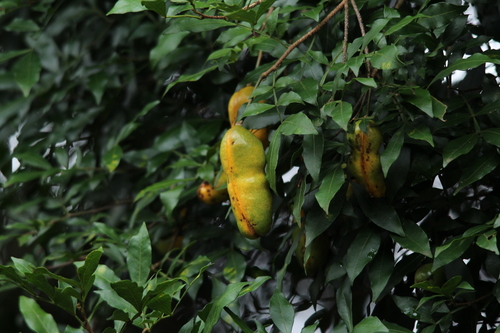
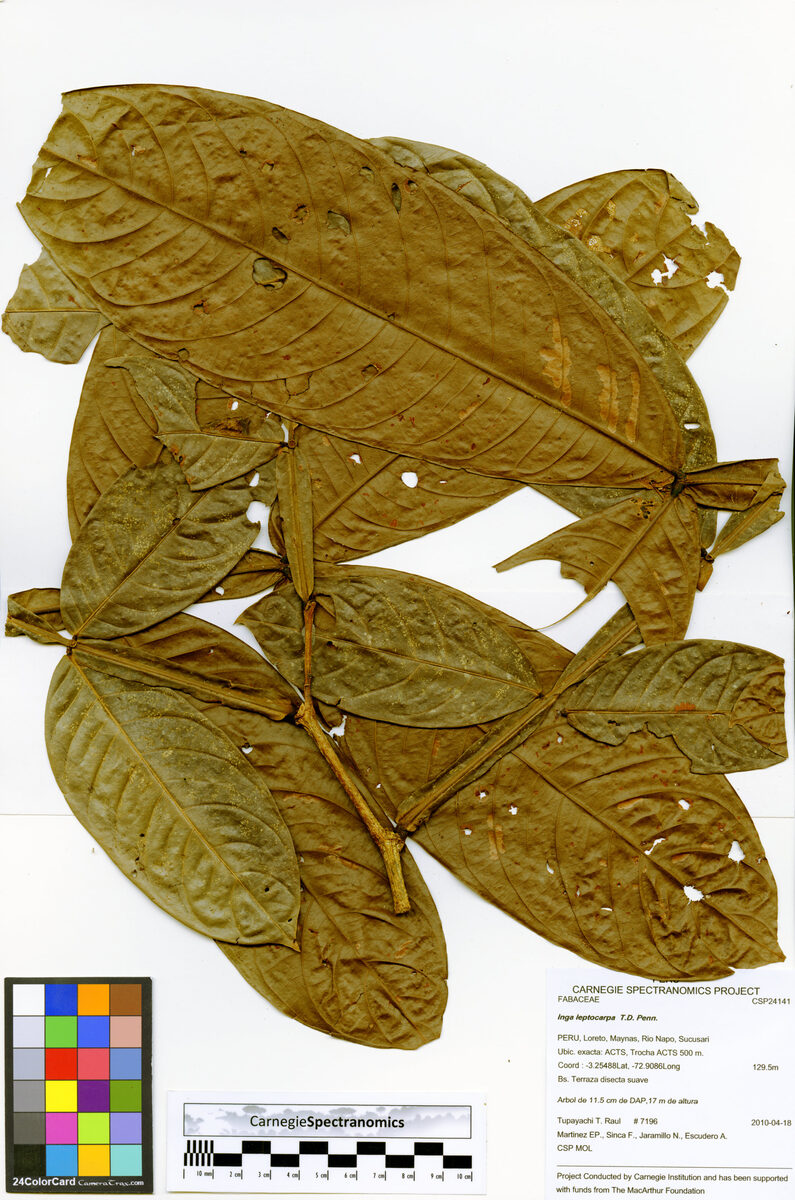
Hardenbergia violacea
(Schneev.) Stearn
Purple coralpea, False Sarsaparilla
iNaturalist· cc-by
(c) Connor Margetts, some rights reserved (CC BY), uploaded by Connor Margetts
iNaturalist· cc-by-nc
(c) mguest, some rights reserved (CC BY-NC)
Summary
Source: WikipediaHardenbergia violacea is a species of flowering plant in the family Fabaceae and is endemic to Australia. It is known in Australia by the common names false sarsaparilla, purple coral pea, and waraburra. Elsewhere it is also called purple twining-pea, vine-lilac, and wild sarsaparilla. It is a prostrate or climbing subshrub with egg-shaped to narrow lance-shaped leaves and racemes of mostly purple flowers.
Description
A climbing or scrambling plant. It can form large dome shaped mats. It can be 0.9-3 m high and 0.9-2 m wide. The stems are wiry and 2 m long. The leaves are leathery and dark green. The are oval or narrow and have heavy veins. The leaves are 3-10 cm long by 1-5 cm wide. The flowers are mauve or purple and pea-shaped. They are 1 cm across. They occur in stalked branches in the axils of leaves. The fruit is a pod which is oblong and 5 cm long.
Edible Uses
Boiling the leaves produces a slightly sweet and reasonably pleasant drink. The roots were also reportedly used for the same purpose at one time.
Traditional Uses
A sweet drink can be made by boiling the leaves in water.
This uses section is brief — help expand it
Medicinal Uses
None known
Known Hazards
The foliage is reputed to cause colic in horses.
Distribution
It grows in temperate places. It can grow in subtropical and semiarid places. It needs well drained soils. It can grow in full sun or light shade. It can stand heavy frosts. It often occurs along disturbed roadsides. It suits hardiness zones 9-11. Tasmania Herbarium. Melbourne Botanical garden. Arboretum Tasmania.
Where It Grows
Australia*, New Guinea, Tasmania*,
Cultivation
Plants can be grown from seeds or cuttings. Treating the seed with hot water improves germination. It can be pruned after flowering.
Propagation
Scarify the seed or pre-soak in warm water for 24 hours before sowing. Sow in spring in a warm greenhouse at 20°C. Once large enough to handle, prick seedlings out into individual pots and grow on under glass for at least the first winter. Plant out in late spring or early summer, after the last expected frosts, and provide some protection from the cold during the first winter outdoors. Cuttings of half-ripe wood can be taken in July/August and rooted in a frame. Tip cuttings taken in late spring can also be rooted in moist sand in a frame.
Other Uses
A grey-blue dye is obtained from the flowers. The plant also fixes nitrogen.
Synonyms
Also Known As
Happy wanderer
References (30)
- Bodkin, F., 1991, Encyclopedia Botanica. Cornstalk publishing, p 537
- Brickell, C. (Ed.), 1999, The Royal Horticultural Society A-Z Encyclopedia of Garden Plants. Convent Garden Books. p 491
- Caton, J.M. & Hardwick, R. J., 2016, Field Guide to Useful Native Plants from Temperate Australia. Harbour Publishing House. p 106
- Cribb, A.B. & J.W., 1976, Wild Food in Australia, Fontana. p 176
- Cundall, P., (ed.), 2004, Gardening Australia: flora: the gardener's bible. ABC Books. p 672
Show all 30 references Hide references
- Curtis, W.M., 1956, The Students Flora of Tasmania Vol 1 p 229
- Dashorst, G.R.M., and Jessop, J.P., 1998, Plants of the Adelaide Plains & Hills. Botanic Gardens of Adelaide and State Herbarium. p 82
- Elliot, W.R., & Jones, D.L., 1990, Encyclopedia of Australian Plants suitable for cultivation. Vol 5. Lothian. p 252
- Facciola, S., 1998, Cornucopia 2: a Source Book of Edible Plants. Kampong Publications, p 105
- Greig, D., 1996, Flowering Natives for Home Gardens. Angus & Robertson. p 221
- Grieg, D., 2002, A photographic guide to Wildflowers of South-eastern Australia. New Holland. p 41
- Hardwick, R.J., 2000, Nature's Larder. A Field Guide to the Native Food Plants of the NSW South Coast. Homosapien Books. p 18
- Hibbert, M., 2002, The Aussie Plant Finder 2002, Florilegium. p 119
- Holliday, I., 1979, A Field Guide to Australian Native Shrubs. Rigby. p 112
- Hunter, J. T. & Sheringham, P., 2006, Vegetation and Floristics of Melville Range Nature Reserve. A Report to the New South Wales Parks and Wildlife Service. p 174
- J. Bot. 78:70. 1940
- Jones, D.L. & Gray, B., 1977, Australian Climbing Plants. Reed. p 49, 109
- Lazarides, M. & Hince, B., 1993, Handbook of Economic Plants of Australia, CSIRO. p 128
- Lord, E.E., & Willis, J.H., 1999, Shrubs and Trees for Australian gardens. Lothian. p 322
- McKerney, M. & White, H., 2011, Bush Tucker, Boomerangs & Bandages. Border River-Gwyder Catchment Management Authority p 193
- Melzer, R. & Plumb, J., 2011, Plants of Capricornia. Belgamba, Rockhampton. p 371
- Molyneux, B. and Forrester, S., 1997, The Austraflora A-Z of Australian Plants. Reed. p 120
- Morley, B. & Everard, B., 1970, Wild Flowers of the World. Ebury press. Plate 130
- Pearson, S. & A., 1992, Rainforest Plants of Eastern Australia. Kangaroo Press p 116
- Townsend, K., 1994, Across the Top. Gardening with Australian Plants in the tropics. Society for Growing Australian Plants, Townsville Branch Inc. p 246
- Tasmanian Herbarium Vascular Plants list p 30
- Whiting, J. et al, 2004, Tasmania's Natural Flora. Tasmania's Natural Flora Editorial Committee PO Box 194, Ulverstone, Tasmania, Australia 7315 p 169
- Williams A. & Sides, T., 2008, Wiradjuri Plant Use in the Murrumbidgee Catchment. Murrumbidgee Catchment Management Authority. Wagga Wagga, p 87
- World Checklist of Useful Plant Species 2020. Royal Botanic Gardens, Kew
- www.ceres.org.au/bushfoodcatalogue