Polygonum kawagoeanum
Makino
iNaturalist· cc-by-nc
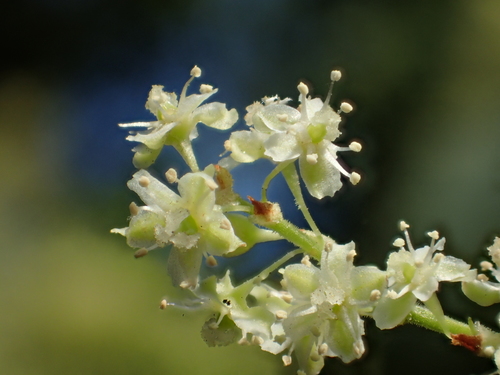
(c) Hong, some rights reserved (CC BY-NC)
iNaturalist· cc-by-nc
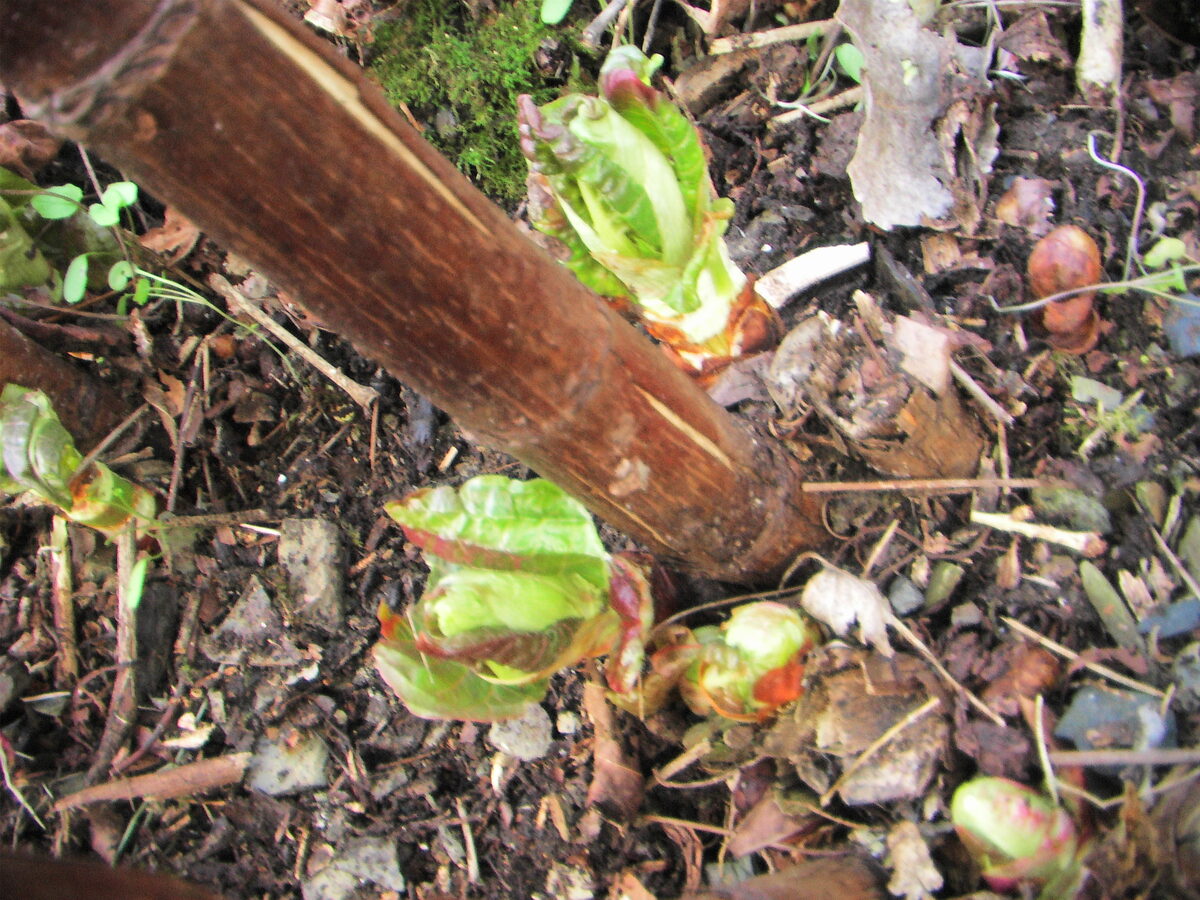
(c) Shin-Ming Ku, some rights reserved (CC BY-NC)
iNaturalist· cc-by-nc
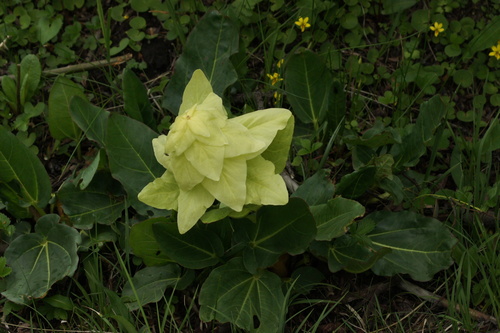
(c) Shin-Ming Ku, some rights reserved (CC BY-NC)
Description
A herb. It grows 25 cm high. The leaves are dark green above and more pale underneath. The leaves are sword shaped and taper to the tip. The leaves gives a scent when crushed.
Edible Uses
The leaves are mixed with other vegetables as a flavoring agent and are also used to make chutney.
Traditional Uses
The leaves are mixed with other vegetables to provide flavour. The leaves are also used for chutney.
This uses section is brief — help expand it
Distribution
It is a tropical plant. It grows from sea level up to 1,700 m above sea level in south China.
Where It Grows
Asia, Bhutan, Himalayas, India, Indochina, Indonesia, Japan, Malaysia, Nepal, Northeastern India, SE Asia, Sikkim, Taiwan, Vietnam,
Synonyms
Also Known As
Chang marchang, Chayang marsang, Nghe be hoa-nho
References (2)
- Patiri, B. & Borah, A., 2007, Wild Edible Plants of Assam. Geethaki Publishers. p 115
- Pegu, R., et al, 2013, Ethnobotanical study of Wild Edible Plants in Poba Reserved Forest, Assam, India. Research Journal of Agriculture and Forestry Sciences 1(3):1-10