Strychnos erichsonii
M. R. Schomb. ex Progel
Big devildoer
gbif· cc0
Botanical Research Institute of Texas
gbif· cc0
Botanical Research Institute of Texas
Description
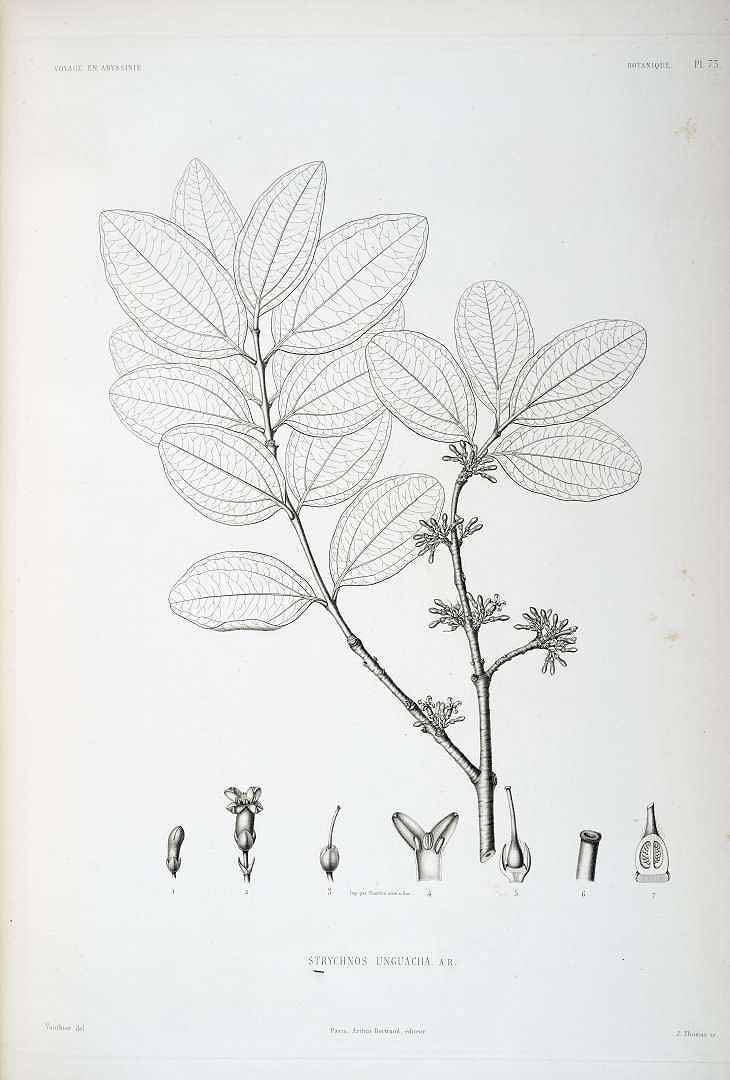
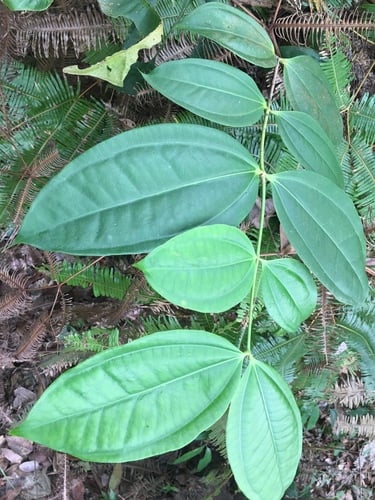
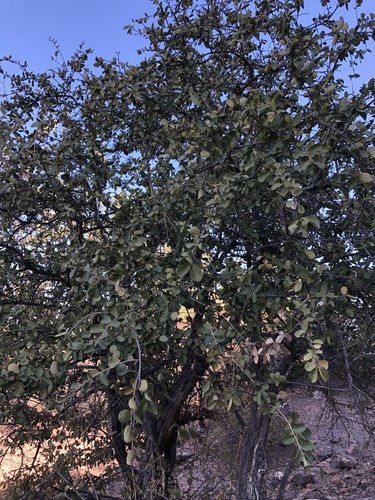
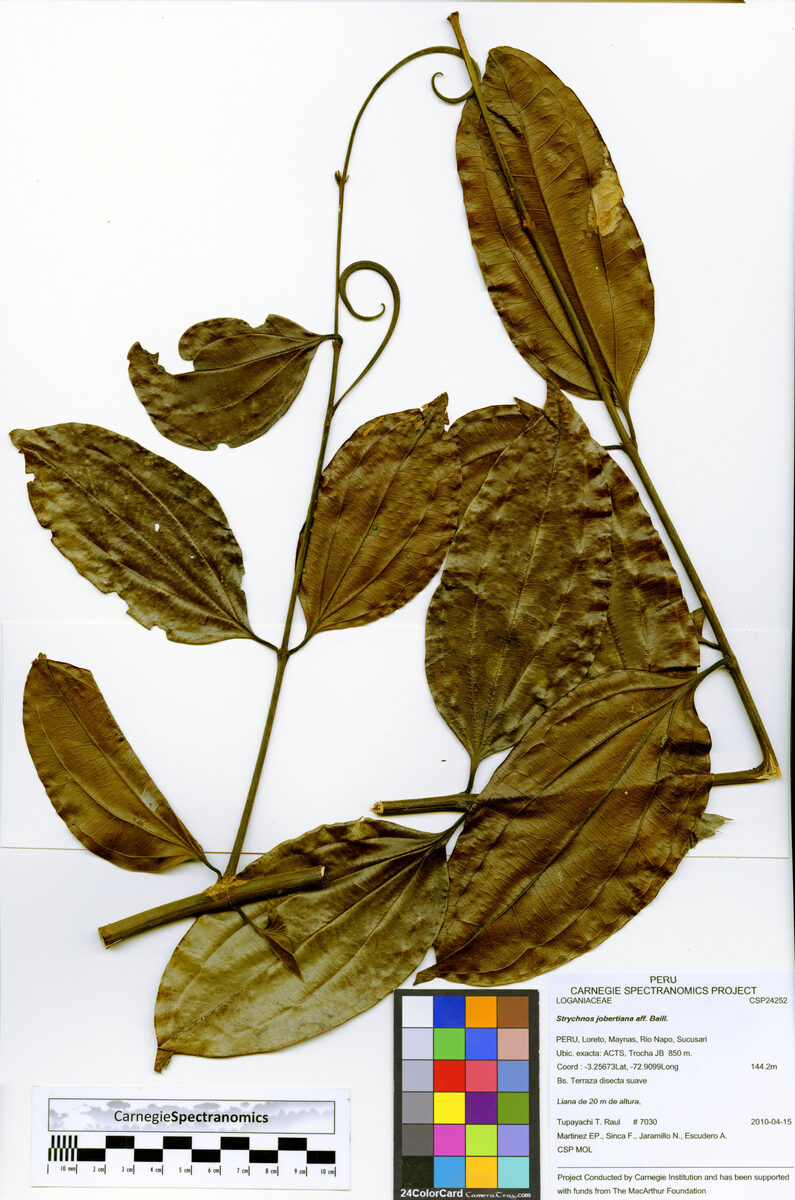
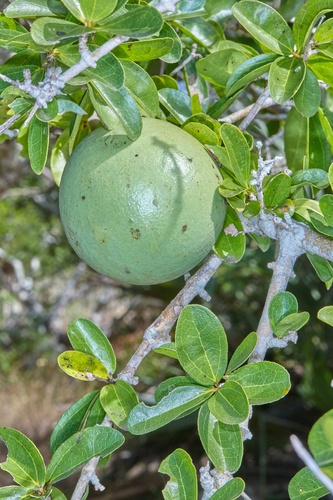
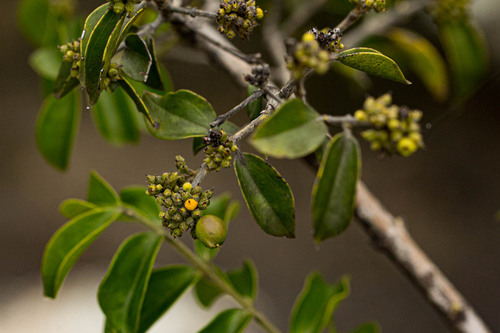
A woody climber. The leaves are opposite and leathery. It has curled woody tendrils. The flowers are in groups in the axils of leaves. The fruit is round and orange and 3 cm across.
Edible Uses
The pulp of the fruit is sweet and edible.
Traditional Uses
The pulp of the fruit is sweet and edible.
This uses section is brief — help expand it
Medicinal Uses
The bark is often used as an aphrodisiac in the Amazon, sometimes macerated in tafia rum. The root-bark is used as a powerful aphrodisiac. The plant contains numerous alkaloids, including diaboline, henningsanine, condensamine and erichsoniine. Erichsoniine seems to be neither toxic nor biologically active. The total alkaloid mix of the plant has a convulsant, strychnine-like action; hence its use as an aphrodisiac.
Known Hazards
Various parts of Strychnos plants, especially the seeds and bark, contain toxic alkaloids such as strychnine and brucine. The fleshy pulp of the ripe fruits, however, is often edible. The plant is highly favoured by the native people as a source of the toxin curare.
Distribution
It is a tropical plant. It often grows near riverbanks.
Where It Grows
America, Colombia, Guiana, Guianas, Guyana, South America, Suriname, Venezuela,
Also Known As
Kwabanaro, Aritya wokuru
References (2)
- Andel T. van, 2000, Useful plants of Guyana. Non-timber forest products of the North-West District of Guyana. Part 2. A Field Guide. Tropenbos-Guyana Programme. p 284
- Roa, J. A. G. & Boada, D. S. G., 2018, Fundación para el Fortalecimiento de la Fruticultura y Plantas Alimenticias no Convencionales en Colombia.