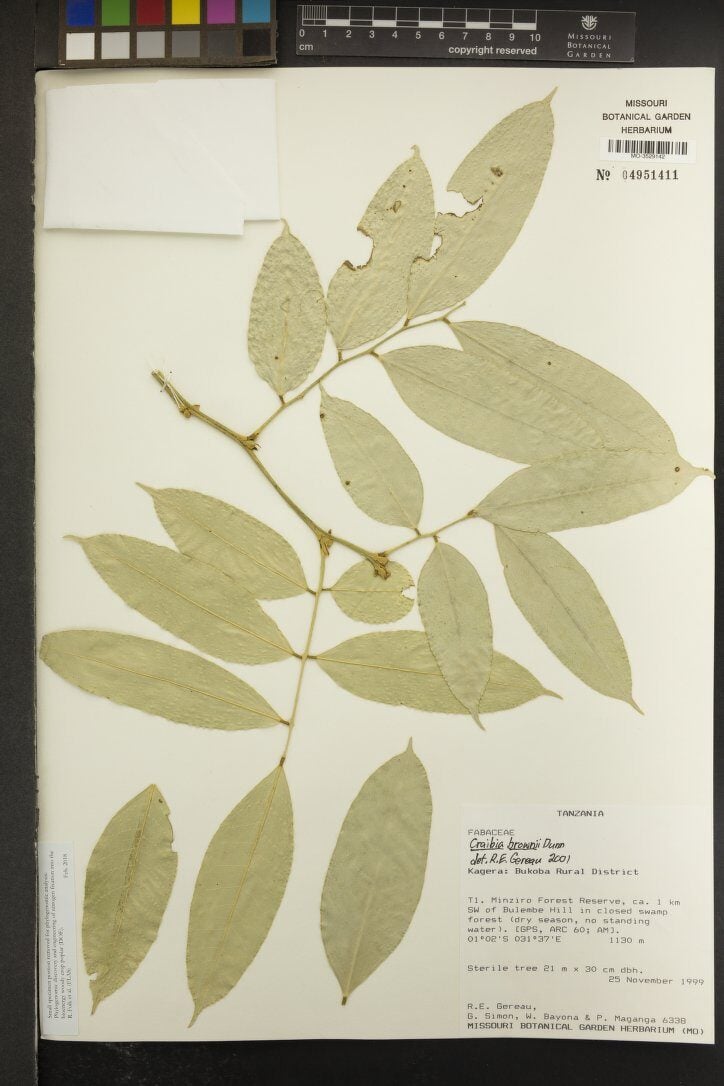
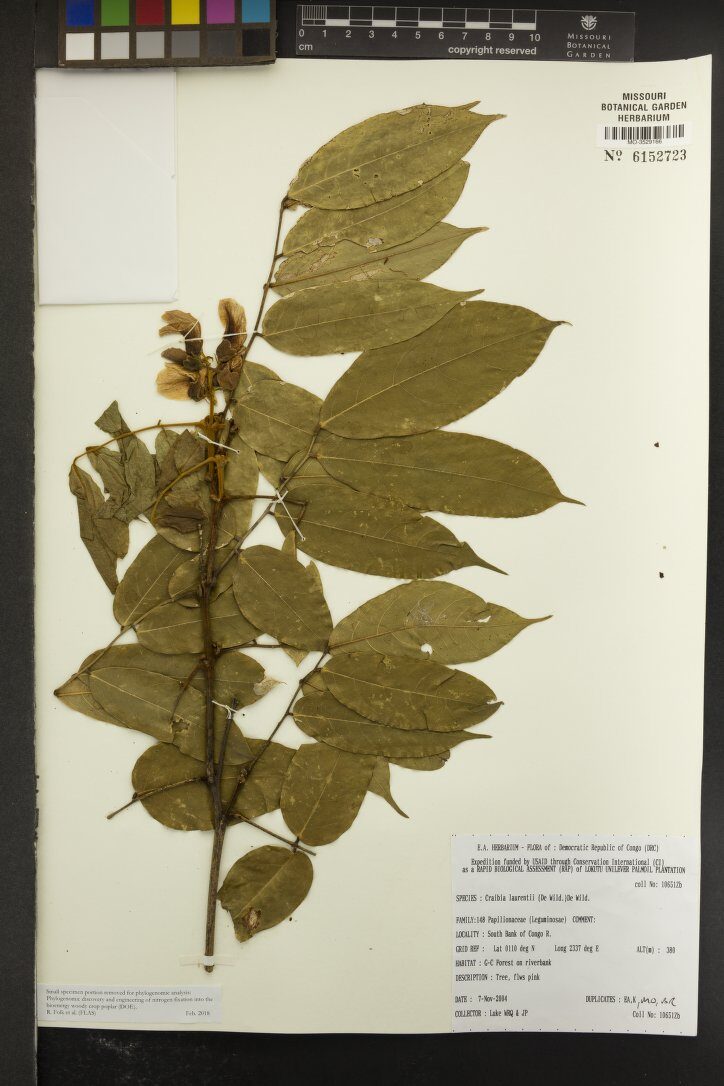
Macrolobium acaciifolium
(Benth.) Benth.
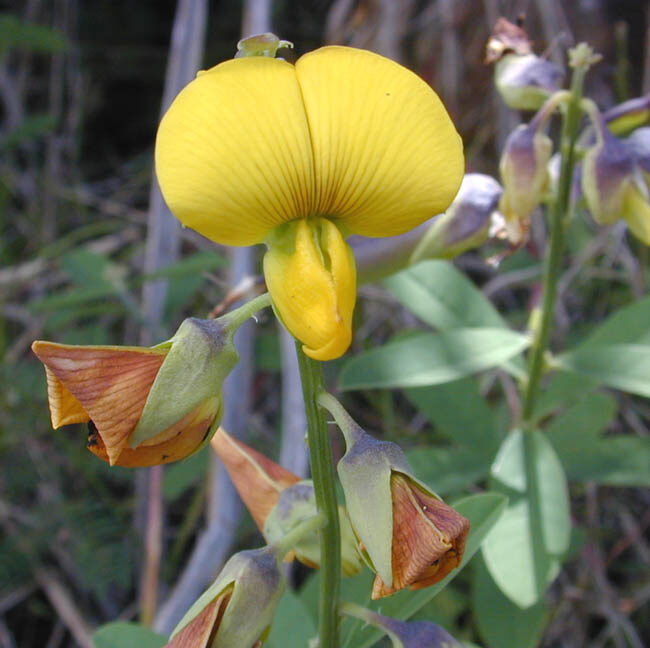
iNaturalist· cc-by
(c) Kristof Zyskowski, some rights reserved (CC BY)
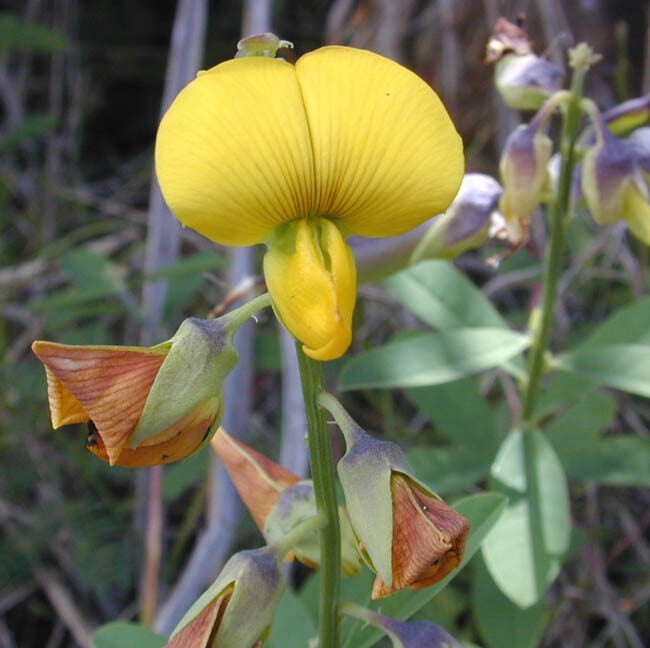
iNaturalist· cc-by
(c) Kristof Zyskowski, some rights reserved (CC BY)
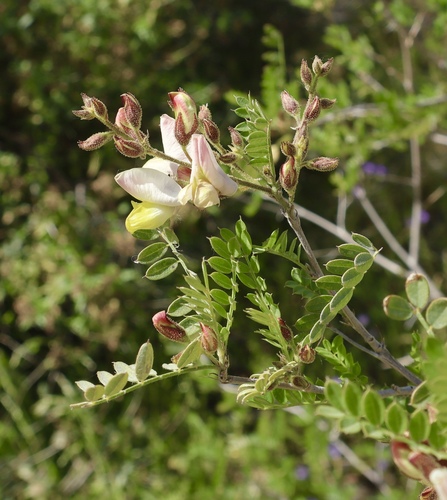
iNaturalist· cc-by-nc
(c) Galo Zapata Ríos, some rights reserved (CC BY-NC)
Description
A tree. It grows 10 m tall. It has broad buttresses. The leaves are twice divided. They have yellowish hairs underneath. The flowers are white. The fruit is a round flat pod that is woody. There is one seed.
Edible Uses
The seeds are edible, but people warned that eating too much of them will rotten the teeth or cause lice infestation..The seedpods are around 40 - 55mm long and 30 - 35mm wide, containing a single seed.
Traditional Uses
The young seeds are eaten. Caution: It has been suggested that the seeds should not be eaten in large amounts.
This uses section is brief — help expand it
Medicinal Uses
Awash of the decocted leaves is used to treat fevers. Herbal baths made with the leaves are believed to keep a person forever young, since this tree always gets fresh, young leaves after shedding its old ones.
Known Hazards
Seeds should not be eaten in large amounts.
Distribution
It is a tropical plant. It grows in flooded savannah.
Where It Grows
America, Bolivia, Colombia, Guiana, Guianas, Guyana, South America, Suriname, Venezuela,
Cultivation
Although many species within the family Fabaceae have a symbiotic relationship with soil bacteria, this species is said to be devoid of such a relationship and therefore does not fix atmospheric nitrogen.
Propagation
Seed - best sown as soon as it is ripe in a partially shaded position in individual containers. A high germination rate can be expected, with the seed sprouting within 30 - 40 days.
Other Uses
The fruits are used in making handicrafts that are sold in local markets. The heartwood is reddish or dark brown; it is clearly demarcated from the pale brown sapwood. The wood is odourless and tasteless; straight-grained; medium- or rather coarse-textured; of medium weight, firm, and strong; easy to work, takes a smooth, fairly lustrous finish; subject to stain. It is very flexible taking varied forms. It is used in the production of plywood, furniture, carpentry, woodworking, packaging, pulp for paper and boards of good quality.The wood is used mainly for fuel.
Notes
Also as Caesalpinaceae.
Also Known As
Arapari
References (4)
- Andel T. van, Non-timber forest products of the North-West District of Guyana. Part 2. A Field Guide. Tropenbos-Guyana Programme. p 277
- Reis, S. V. and Lipp, F. L., 1982, New Plant Sources for Drugs and Foods from the New York Botanical Garden herbarium. Harvard. p 127
- Roa, J. A. G. & Boada, D. S. G., 2018, Fundación para el Fortalecimiento de la Fruticultura y Plantas Alimenticias no Convencionales en Colombia.
- van Andel, T., 2000, Useful plants of Guyana. Non-Timber Forest Products of the North-West District of Guyana Part 2. p 367