Acacia salicina
Lindley
Coobah, Willow Wattle
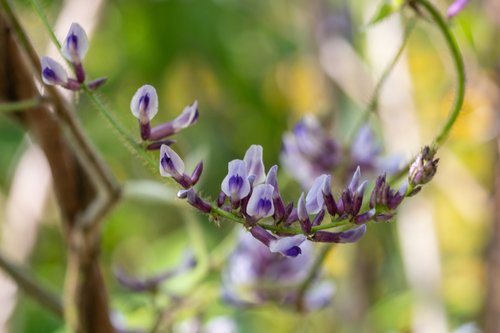
iNaturalist· cc-by-nc-sa
(c) Arthur Chapman, some rights reserved (CC BY-NC-SA), uploaded by Arthur Chapman
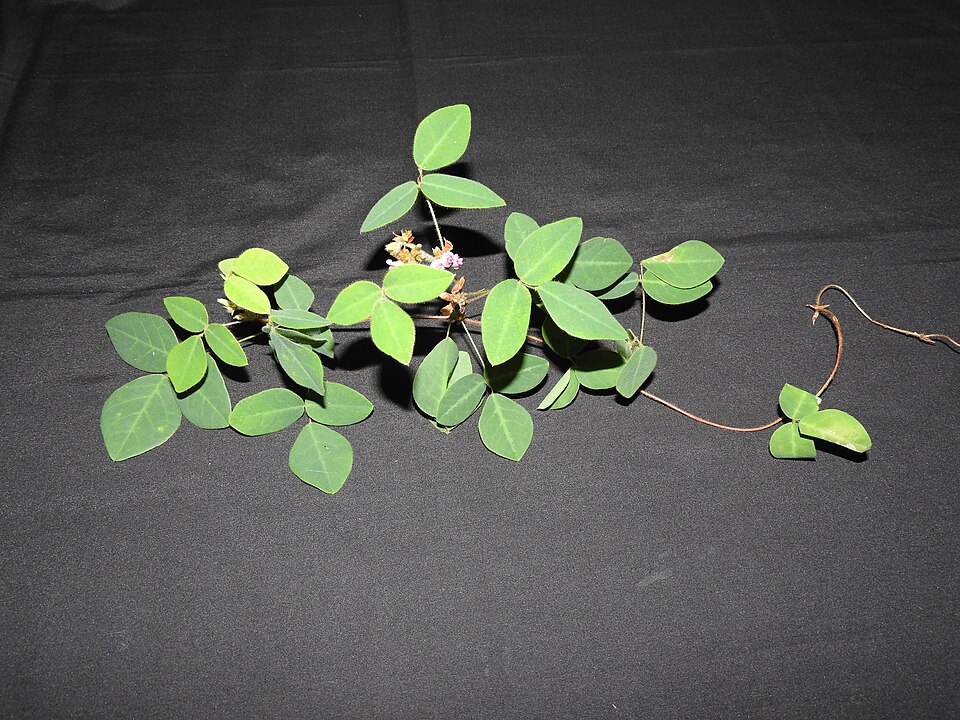
iNaturalist· cc-by-nc
(c) Jennifer Danhaus, some rights reserved (CC BY-NC), uploaded by Jennifer Danhaus
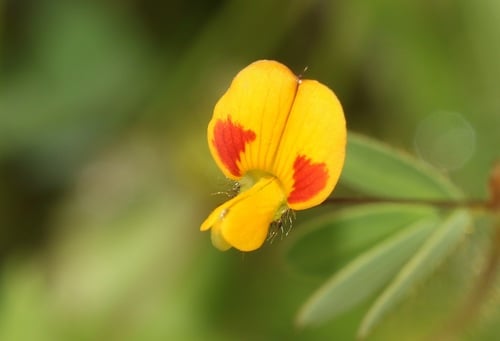
iNaturalist· cc-by-nc-sa
(c) Arthur Chapman, some rights reserved (CC BY-NC-SA), uploaded by Arthur Chapman
Summary
Source: WikipediaAcacia salicina is a thornless species of Acacia native to Australia. It is a large shrub or small evergreen tree growing up to 13.7 m (45 ft) tall. It is a fast grower, dropping lots of leaf litter, with a life span of about 10–50 years. In its native range, A. salicina flowers from February to June. In the Northern Hemisphere, A. salicina flowers primarily from October to January and the seed pods are often visible from April to July. The tree's seeds are shiny, black and have a crimson appendage-like aril. A. salicina is "closely related" to Acacia ligulata and Acacia bivenosa.
Description
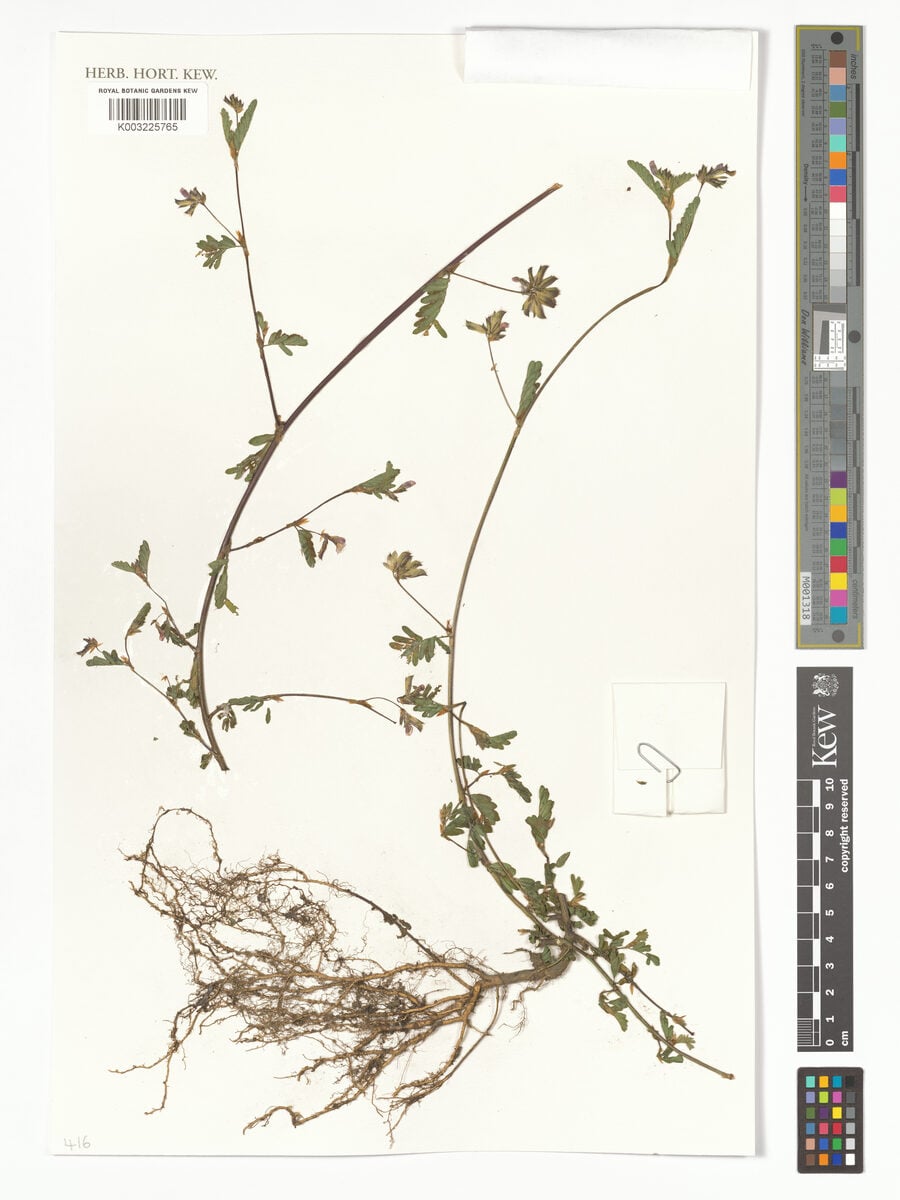
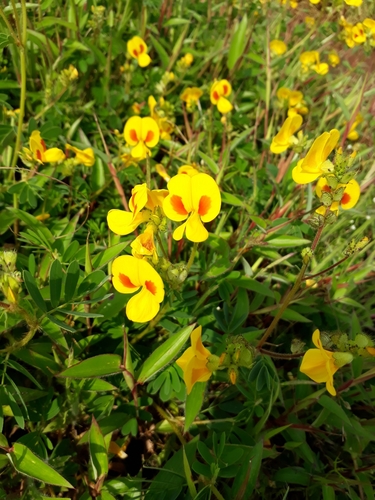
A shrub or small tree. It grows 5 m tall. There are prickles along the stem. The leaves are twice divided and there are 8-18 pairs of pinnae. There are up to 50 pairs of pinnules on each pinnae. The flowers are yellow. They are in large clusters at the ends of branches. The pods are flattened.
Edible Uses
Erosion management: Acacia salicina can be used to help stabilize riverbanks and other areas. Fodder: The tree's foliage and seed pods are important fodder for livestock during dry periods, since the tree can withstand drought quite well. Its foliage and pods compare quite poorly to other fodders with regard to digestibility by livestock. This affects its available nutritional value. The 1889 book The Useful Native Plants of Australia records that "The leaves are eaten by stock. This is another tree which is rapidly becoming scarce, owing to the partiality of stock to it." Food: The seeds are edible. Landscaping: A. salicina is excellent for landscaping in dry areas. Tannin: The bark has a high tannin content. Wood: The wood is very hard and it is used in making fine furniture. At one time, the tree's wood was used in the manufacture of axles for wagon wheels. A. salicina's wood burns well and makes good fuel. Its calorific content is 18900kJ/kg dry mass. The tree produces seed and timber for woodworking in as little as five years after planting. Other uses: The bark has been traditionally put to use by Indigenous Australians as a toxin for fishing. The leaves of A. salicina are thought to be psychoactive, since indigenous Australians "burn its leaves and smoke the ash to obtain a state of inebriation."
Traditional Uses
The seed are eaten. They are ground into flour and made into bread.
This uses section is brief — help expand it
Medicinal Uses
The pods are rich in saponins[375[, The bark of all Acacia species contains greater or lesser quantities of tannins and are astringent. Astringents are often used medicinally - taken internally, for example. they are used in the treatment of diarrhoea and dysentery, and can also be helpful in cases of internal bleeding. Applied externally, often as a wash, they are used to treat wounds and other skin problems, haemorrhoids, perspiring feet, some eye problems, as a mouth wash etc. Many Acacia trees also yield greater or lesser quantities of a gum from the trunk and stems. This is sometimes taken internally in the treatment of diarrhoea and haemorrhoids.
Known Hazards
The leaves contain large amounts of tannin and have been suspected of poisoning hungry cattle. Especially in times of drought, many Acacia species can concentrate high levels of the toxin Hydrogen cyanide in their foliage, making them dangerous for herbivores to eat.
Distribution
It grows in Mediterranean climate places. It occurs naturally in mainland Australia. It can grow on many soils but prefers heavy clays. It requires an open sunny position. It is drought and frost resistant. They are mostly found along streams. They are very hardy. It can grow in semi arid places but benefits from water during the dry season. It normally occurs south of 20°S latitude. It probably does best where summers are hot and rainfall is 35-55 mm. It can grow in arid places. It suits hardiness zones 8-9.
Where It Grows
Africa, Asia, Australia*, Britain, East Africa, Egypt, Europe, India, Israel, Libya, Mediterranean, Middle East, North Africa, Tanzania, Tunisia, Zimbabwe,
Cultivation
It is grown from seed. The seed need treatment to break the hard seed coat. Normally this is by putting the seeds in very hot water and letting the water cool down overnight then planting the seeds immediately. The plants spread by suckers. Because of the range of climates where it will grow, it is best to collect seeds from within the area where it is to be produced.
Propagation
The seed of most, if not all, members of this genus has a hard seedcoat and may benefit from scarification before sowing to speed up germination. This can usually be done by pouring a small amount of nearly boiling water on the seeds (being careful not to cook them!) and then soaking them for 12 - 24 hours in warm water. By this time they should have imbibed moisture and swollen - if they have not, then carefully make a nick in the seedcoat (being careful not to damage the embryo) and soak for a further 12 hours before sowing. Acacia seeds that have matured fully on the bush and have been properly dried have a hard seed coat and can be stored in closed containers without deterioration for 5 - 10 years or more in dry conditions at ambient temperatures. It is best to remove the aril, which attracts weevils and can lead to moulds forming. The arils are easilyremoved by placing the seeds in water and rubbing them between the hands, then drying the seeds and winnowing them.
Other Uses
A gum is obtained from the trunk and branches. The thick, fleshy pods are rich in saponins and produce a froth when agitated in water. Saponins often have medicinal applications and can also be used as a soap substitute. The bark yields an excellent quality tannin. Bark harvested for its tannins should only be taken from mature stems, and only when the sap is rising at the beginning of the growing season - which is when the tannin content is highest and the bark is most easily removed from the wood. The rich-brown heartwood is close-grained, tough, moderately heavy and takes a high polish. Nicely marked, it can be used for quality furniture, and was used traditionally for making boomerangs. The wood has a rough grain showing that a smooth surface can only be obtained with difficulty, but it is reported as presenting a rich appearance when properly handled. The wood should make a satisfactory fuel. The tree provides shade, shelter, erosion control, and can also be used as a windbreak. The tree suckers freely and can be used to stabilise sandy areas and steep banks, and also to control erosion along stream banks. The plant is used for mine-site rehabilitation in parts of its natural range.
Production
It grows quickly. The flowers occur June to October and the pods mature August to December.
Notes
There are about 1,350 Acacia species. Over 1,000 occur in Australia. Also as Mimosaceae.
Synonyms
Also Known As
Broughton willow wattle, Dhulan, Doolan, Murray willow, Native Willow, Swamp wattle, Umung, Thulga winna
References (25)
- Anon., 2003, Native Plants for the Fitzroy basin. Society for Growing Australian Plants Inc. (Rockhampton Branch)
- Bodkin, F., 1991, Encyclopedia Botanica. Cornstalk publishing, p 32
- Bonney, N., 1997, Economic Native Trees and Shrubs for South Australia. Greening Australia (SA) inc. Campbelltown SA 5074 p 19
- Boomsma, C.D., 1972, Native Tree of South Australia. Woods & Forests Department South Australia, Bulletin No.19. p 44
- Calvert, G., 2010, The Burdekin Delta Tree Guide. Lower Burdekin Landcare Association., Inc., Ayr p 25
Show all 25 references Hide references
- Cherikoff V. & Isaacs, J., The Bush Food Handbook. How to gather, grow, process and cook Australian Wild Foods. Ti Tree Press, Australia p 42, 188
- Cundall, P., (ed.), 2004, Gardening Australia: flora: the gardener's bible. ABC Books. p 79
- Doran, J.C., & Turnbull, J.W. (Eds), 1997, Australian Trees and Shrubs: species for land rehabilitation and farm plantings in the tropics. ACIAR Monograph No 24. p 209
- Elliot, W.R., & Jones, D.L., 1982, Encyclopedia of Australian Plants suitable for cultivation. Vol 2. Lothian. p 110
- Hall, N. et al, 1972, The Use of Trees and Shrubs in the Dry Country of Australia, AGPS, Canberra. p 351
- Holliday, I., 1989, A Field Guide to Australian Trees. Hamlyn. p 30
- Hunter, J. T. & Sheringham, P., 2006, Vegetation and Floristics of Melville Range Nature Reserve. A Report to the New South Wales Parks and Wildlife Service. p 168
- ILDIS Legumes of the World http:www;ildis.org/Legume/Web
- Lazarides, M. & Hince, B., 1993, Handbook of Economic Plants of Australia, CSIRO. p 6
- Lord, E.E., & Willis, J.H., 1999, Shrubs and Trees for Australian gardens. Lothian. p 42
- McKerney, M. & White, H., 2011, Bush Tucker, Boomerangs & Bandages. Border River-Gwyder Catchment Management Authority p 51
- Melzer, R. & Plumb, J., 2011, Plants of Capricornia. Belgamba, Rockhampton. p 197
- T. L. Mitchell, Three exped. Australia 2:20. 1838
- Pearson, S. & A., 1992, Rainforest Plants of Eastern Australia. Kangaroo Press p 14
- Pennock, A., et al, Australian Dry-zone Acacias for Human Food: Proceedings of a Workshop.
- Royal Botanic Gardens, Kew (1999). Survey of Economic Plants for Arid and Semi-Arid Lands (SEPASAL) database. Published on the Internet; http://www.rbgkew.org.uk/ceb/sepasal/internet [Accessed 27th April 2011]
- Townsend, K., 1994, Across the Top. Gardening with Australian Plants in the tropics. Society for Growing Australian Plants, Townsville Branch Inc. p 64
- Townsend, K., 1999, Field Guide to Plants of the Dry Tropics. Society for Growing Australian Plants, Townsville Branch Inc. p 19
- Williams, K.A.W., 1999, Native Plants of Queensland Volume 4. Keith A.W. Williams North Ipswich, Australia. p 36
- World Checklist of Useful Plant Species 2020. Royal Botanic Gardens, Kew