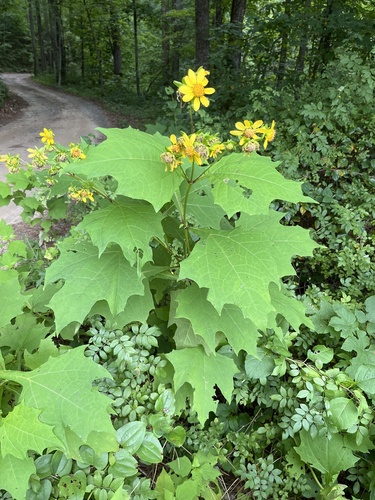
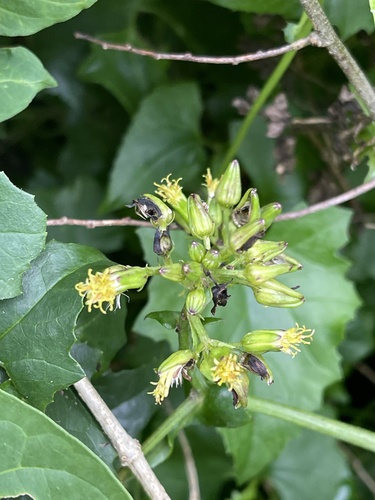
Tilesia baccata
(L.f.) Pruski
Wild pine, Turtle food
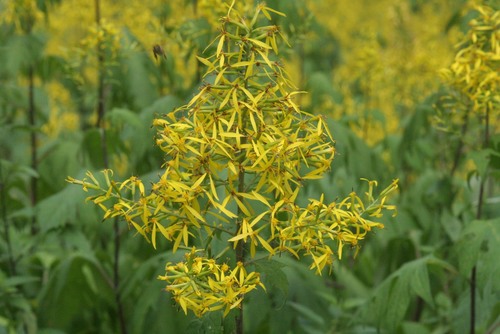
iNaturalist· cc-by-nc
(c) tarranmaharaj, some rights reserved (CC BY-NC)
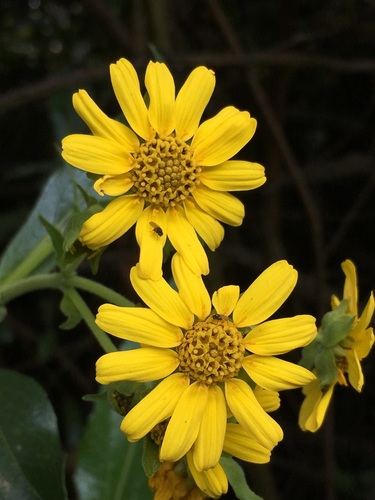
iNaturalist· cc-by-nc
(c) Martin Acosta, some rights reserved (CC BY-NC), uploaded by Martin Acosta
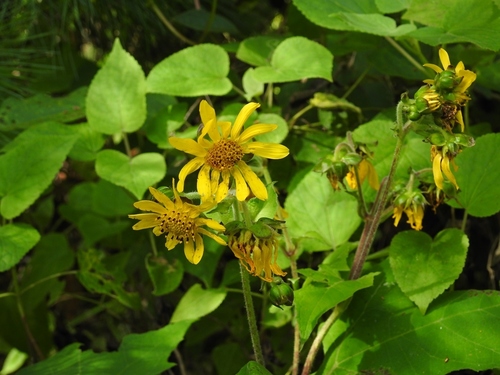
iNaturalist· cc-by-nc-sa
(c) Nataly, some rights reserved (CC BY-NC-SA), uploaded by Nataly
Description
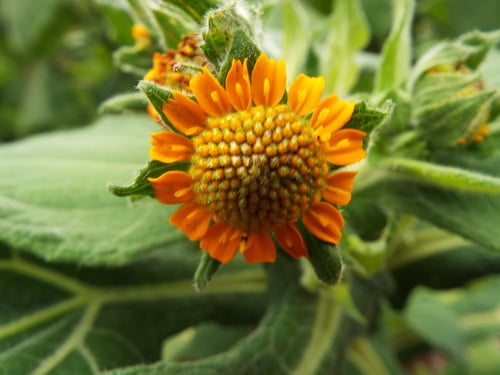
A scrambling shrub. The leaves are alternate and simple. They are rough. They ae 9-15 cm long by 4-8 cm wide. The flowers are yellow and orange. The fruit are greenish-black. They are in pine like structures. The fruiting sepals are orange and spiny.
Edible Uses
The sweet fruit pulp is edible and commonly eaten by children. The fruits are collected and fermented to make an alcoholic drink.
Traditional Uses
The fruit pulp is sweet and edible. The fruit are collected and used to make an alcoholic drink. Caution: Alcohol is a cause of cancer.
This uses section is brief — help expand it
Known Hazards
Alcohol produced from this plant is a cause of cancer.
Distribution
It is a tropical plant. It grows along roads and in secondary forests. In Argentina it grows from sea level to 1,000 m above sea level.
Where It Grows
America, Argentina, Brazil, Colombia, Ecuador, Guyana, Paraguay, South America,
Other Information
The fruit are especially eaten by children.
Synonyms
Also Known As
Acoci, Chichin waska, Chirapa sacha, Emontaka, Hukuhuku anahoro, Jambu, Kamararai, Mana tanchaape, Manxanilla sacha, Margaridinha, Mishtimu tape, Mura, orosul, Penko shili, Pindek tape, Warife
References (4)
- Andel T. van, Non-timber forest products of the North-West District of Guyana. Part 2. A Field Guide. Tropenbos-Guyana Programme. p 260
- Kermath, B. M., et al, 2014, Food Plants in the Americas: A survey of the domesticated, cultivated and wild plants used for Human food in North, Central and South America and the Caribbean. On line draft. p 868
- Roa, J. A. G. & Boada, D. S. G., 2018, Fundación para el Fortalecimiento de la Fruticultura y Plantas Alimenticias no Convencionales en Colombia.
- Torre, de la L., et al, 2008, Enciclopedia de las Plantas Útiles del Ecuador. Herbario QCA. Pontificia Universidad Católica del Ecuador. p 236