Solanum glaucescens
Zucc.
iNaturalist· cc-by-nc
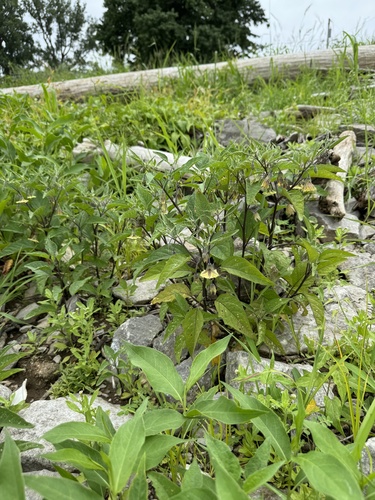
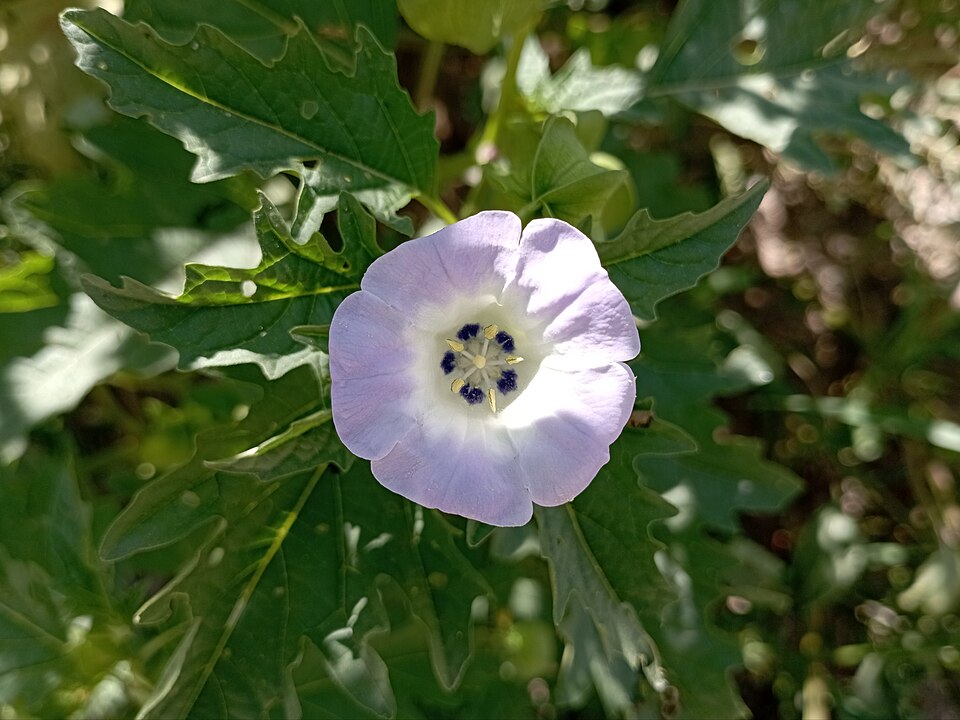
(c) Pedro Celis, some rights reserved (CC BY-NC), uploaded by Pedro Celis
iNaturalist· cc-by-nc
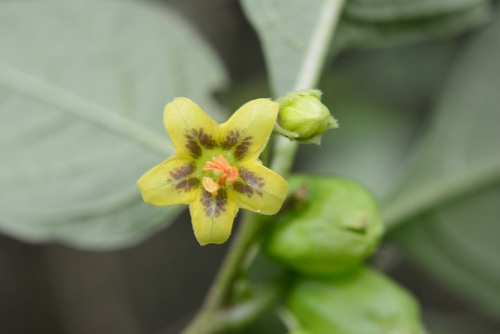
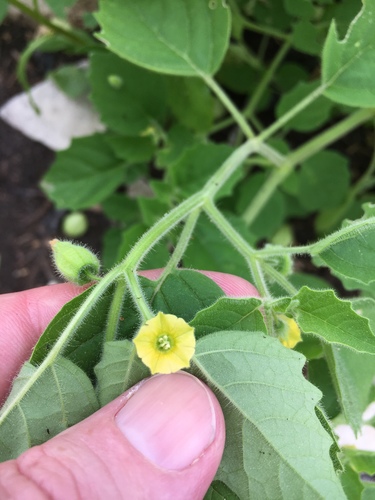
(c) Evelyn Velez, some rights reserved (CC BY-NC), uploaded by Evelyn Velez
iNaturalist· cc-by-nc
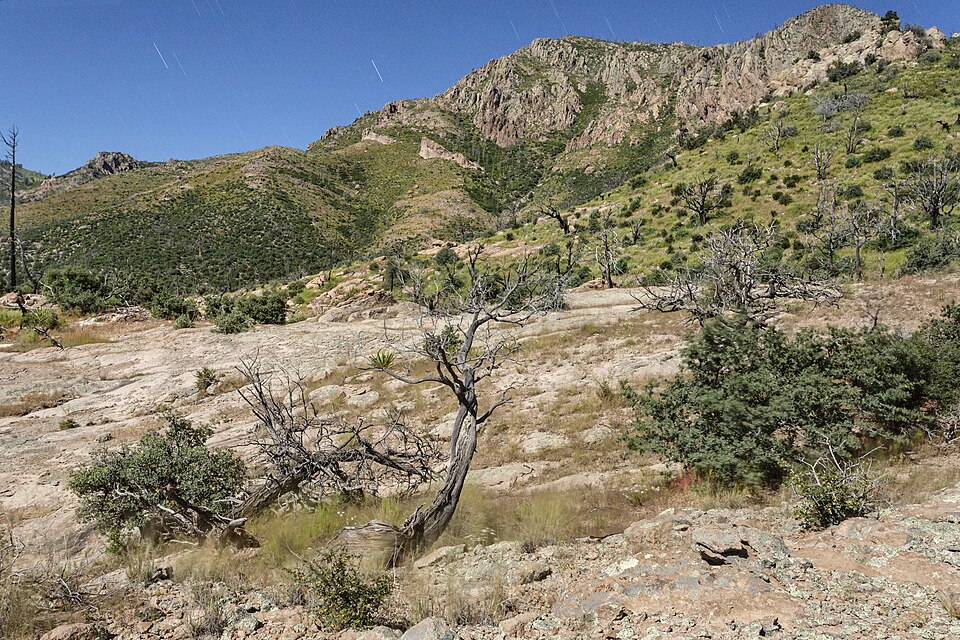
(c) Carlos Domínguez-Rodríguez, some rights reserved (CC BY-NC), uploaded by Carlos Domínguez-Rodríguez
Summary
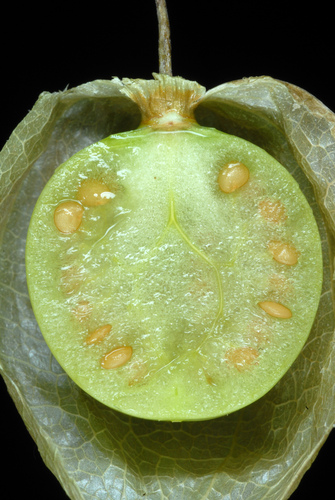
Source: WikipediaSolanum glaucescens is a species of flowering plant in the family Solanaceae and is endemic to Mexico. It is a deciduous vine with narrowly oblong to egg-shaped leaves 35–90 mm (1.4–3.5 in) long and 15–55 mm (0.59–2.17 in) wide on a petiole 10–40 mm (0.39–1.57 in) long. The flowers are arranged in groups of five to twelve on a peduncle 10–20 mm (0.39–0.79 in) long, each flower on a pedicel 5–10 mm (0.20–0.39 in) long but elongating to 30–40 mm (1.2–1.6 in) by the fruiting stage. The sepals form a bell-shaped tube 2–4 mm (0.079–0.157 in) long with five lobes. The petals are pale yellow to greenish, 20–40 mm (0.79–1.57 in) long and joined at the base with spreading, star-like lobes and there are ten to fifteen stamens. The edible fruit also known as cuatomate is a berry that is green at first, later turning orange. This species was first formally described in 1837 by Joseph Gerhard Zuccarini in Abhandlungen der Mathematisch-Physikalischen Classe der Königlich Bayerischen Akademie der Wissenschaften. Solanum glaucescens is endemic to Mexico where it grows in forest, and has been introduced to Cuba.
Description
A vine. The stems can be woody and 3-6 mm across. The internodes are 1-5 cm apart. The leaves fall off in the dry season. The leaves are 4-9 cm long by 2-6 cm wide. They can have prickles. The flowering shoots are 7-10 cm long and 15-20 cm wide. There are 5-12 flowers. The fruit is a round berry 3.5 cm across. It is mottled green and turns orange when ripe.
Distribution
It is a tropical plant. It grows between 10-1,400 m above sea level in Mexico.
Where It Grows
Central America, Cuba, Mexico, West Indies,
Synonyms
References (1)
- Ulian, T., et al, 2020, Unlocking plant resources to support food security and promote sustainable agriculture. Plants, People, Planet. 2020;2:421–445.