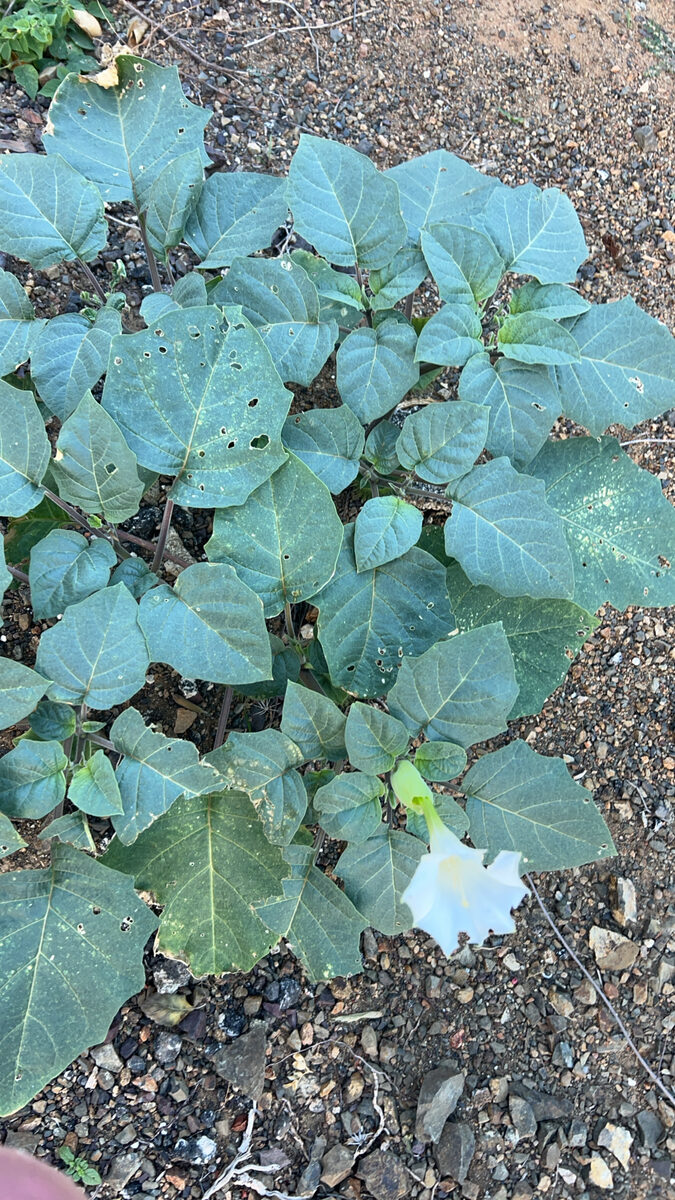
Solanum gilo
Raddi
Bitter berries, Scarlet eggplant
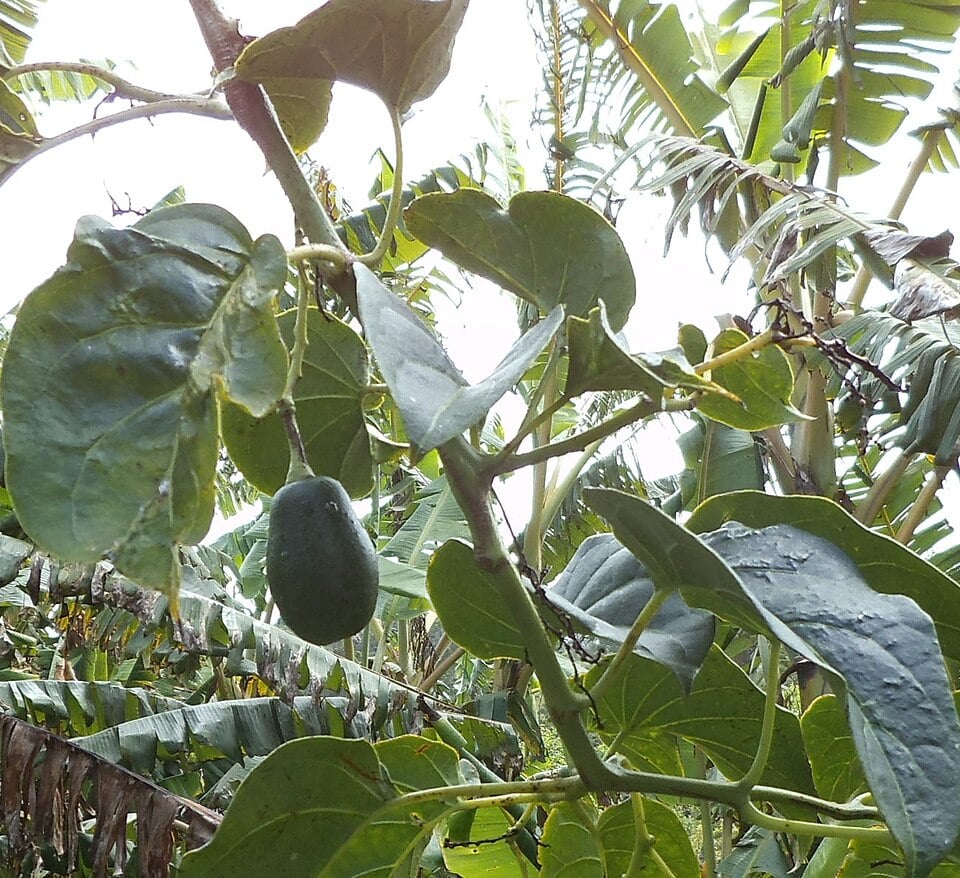
iNaturalist· cc-by-nc
(c) Pete Zivkov, some rights reserved (CC BY-NC)
iNaturalist· cc-by-nc
(c) inatpeshualien001, some rights reserved (CC BY-NC)
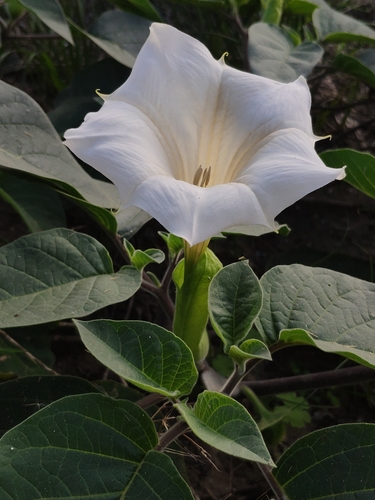
iNaturalist· cc-by-nc
(c) accidentalshrike, some rights reserved (CC BY-NC)
Description
A small tropical shrub in the Solanaceae family, now cultivated as a variety of Solanum aethiopicum and sold commercially in local markets.
This description is brief — help expand it
Edible Uses
The fruit are eaten raw as a vegetable, or fried and boiled. The shoots and leaves are also edible.
Traditional Uses
The fruit are eaten raw as a vegetable. They are also eaten fried or boiled.
This uses section is brief — help expand it
Distribution
It is a tropical plant.
Where It Grows
Africa, Asia, Brazil, Central Africa, East Africa, India, Niger, Nigeria, Northeastern India, Sierra Leone, South America, Uganda, West Africa,
Other Information
It is a commercially cultivated vegetable. Fruit are sold in local markets.
Synonyms
Also Known As
Enjagi, Entula engana, Entura, Entuula, Gilo, Goma, Hepi keho, Jagi, Jilo, Ocugocuga, Panthao kenkathai, Samtawk
References (15)
- Andabati, B., & Muyonga, J., 2014, Phenolic content and antioxidant activity of selected Ugandian traditional medicinal foods. African Journal of Food Science. 8(8), pp 427-434
- Bernholt, H. et al, 2009, Plant species richness and diversity in urban and peri-urban gardens of Niamey, Niger. Agroforestry Systems 77:159-179
- East African Herbarium records, 1981,
- Ethnobotany of Karbis. Chapter 4 in p 101
- Gbile, Z. O. and Adesina, S. K., 1988, Nigerian Solanum Species of Economic Importance. Annals of the Missouri Botanical Garden, Vol. 75, No. 3. p 864
Show all 15 references Hide references
- Goode, P., 1989, Edible Plants of Uganda. FAO p 26
- Kar, A., et al, 2013, Wild Edible Plant Resources used by the Mizos of Mizoram, India. Kathmandu University Journal of Science, Engineering and Technology. Vol. 9, No. 1, July, 2013, 106-126
- Kays, S. J., and Dias, J. C. S., 1995, Common Names of Commercially Cultivated Vegetables of the World in 15 languages. Economic Botany, Vol. 49, No. 2, pp. 115-152
- Medhi, P. & Borthakur, S. K., 2012, Phytoresources from North Cachur Hills of Assam -3: Edible plants sold at Hflong market. Indian Journal or Natural Products and Resources. 3(1) pp 84-109
- Musinguzi, E., et al, 2006, Utilization of Indigenous Food Plants in Uganda: A Case Study of South-Western Uganda. AJFAND Vol. 6(2):
- Oniang’o, R., Grum, M. and Obel-Lawson, E., editors. 2008. Developing African leafy vegetables for improved nutrition. Regional workshop, 6-9 December 2005. Rural Outreach Program, Nairobi, Kenya. p 3
- Peters, C. R., O'Brien, E. M., and Drummond, R.B., 1992, Edible Wild plants of Sub-saharan Africa. Kew. p 186
- Rubaihayo, E. B., Conservation and use of traditional vegetables in Uganda. Bioversity International.
- Smith, F. I. and Eyzaquirre, P., 2007, African leafy vegetables: Their role in the World Health Organization's global Fruit and Vegetables Initiative. AJFAND, Vol. 7 No. 3
- Teron, R. & Borthakur, S. K., 2016, Edible Medicines: An Exploration of Medicinal Plants in Dietary Practices of Karbi Tribal Population of Assam, Northeast India. In Mondal, N. & Sen, J.(Ed.) Nutrition and Health among tribal populations of India. p 155