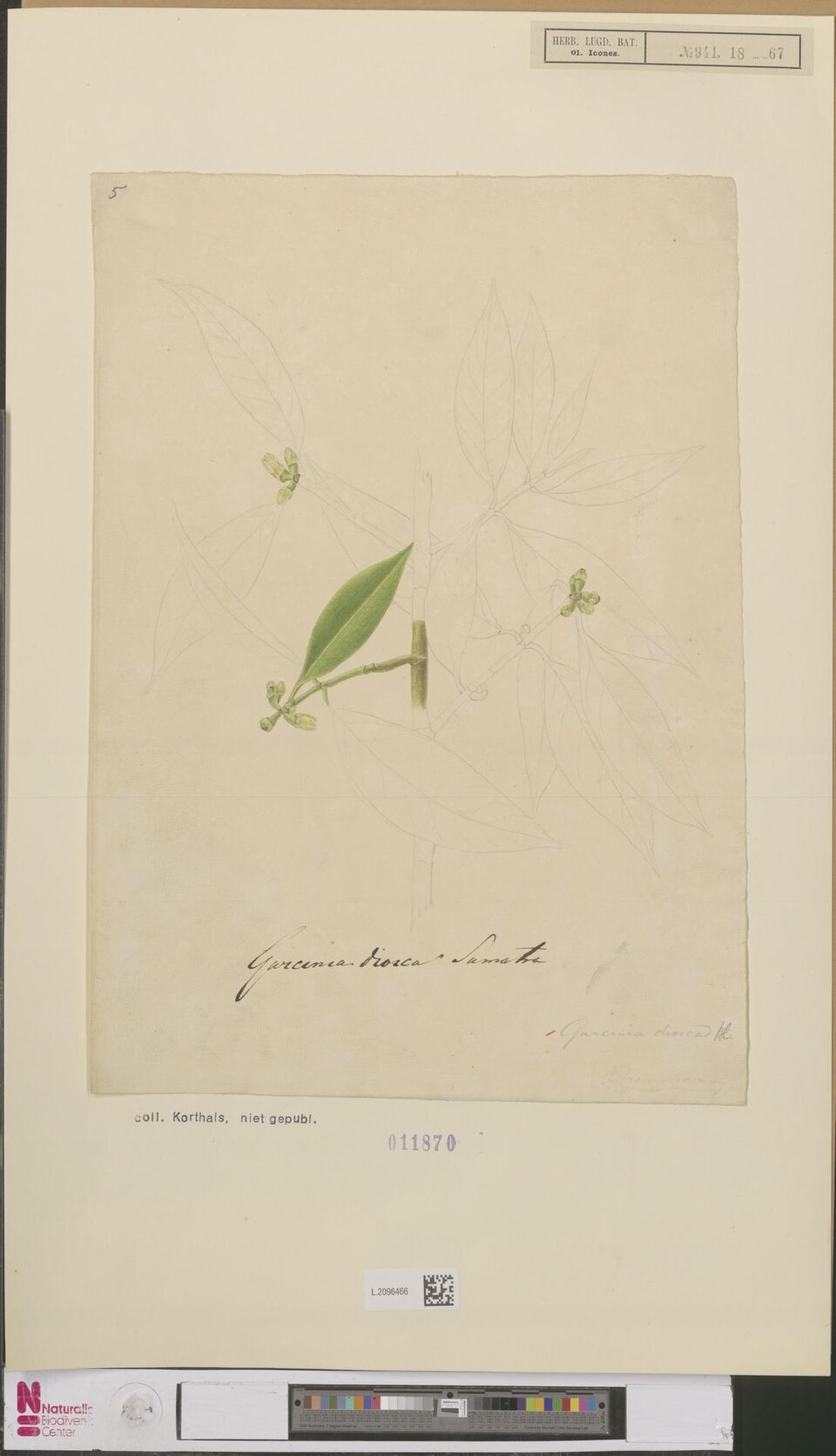
Garcinia paniculata
Roxb.
gbif· cc-by
GBIF
gbif· cc-by
GBIF
gbif· cc-by
GBIF
Description
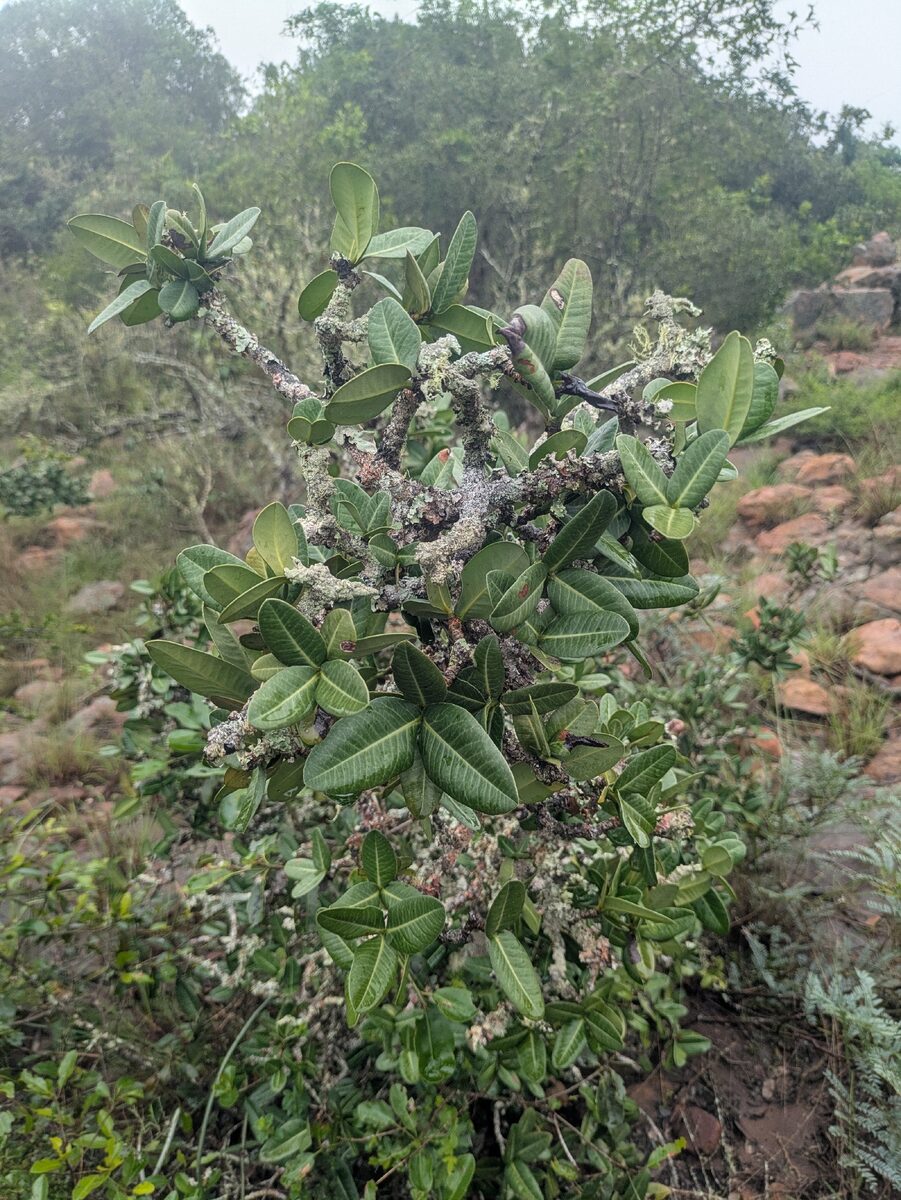
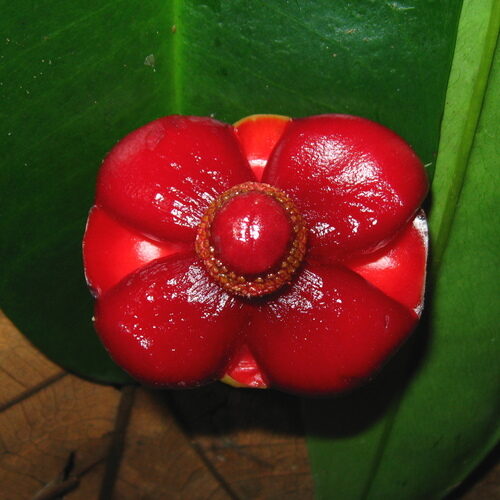
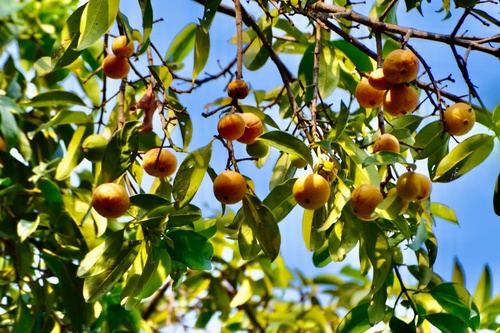
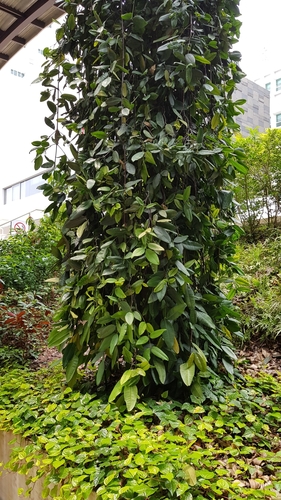
A tree. It can lose it leaves or keep them throughout the year. The crown is oval. The branches occur in a cross shape. The male flowers are dull white and have a scent. The female flowers are large but do not have a scent. The fruit are round and 3 cm across.
Edible Uses
The ripe fruit are eaten fresh and enjoyed. Unripe fruit can be used for pickles.
Traditional Uses
The ripe fruit are eaten. The unripe fruit can be used for pickles.
This uses section is brief — help expand it
Distribution
It is a subtropical plant.
Where It Grows
Asia, Himalayas, India, Indochina, Myanmar, Northeastern India, SE Asia, Vietnam,
Production
In NE India plants flower and fruit December to July.
Other Information
The fruit are enjoyed.
Also Known As
Bara bon kao, Dieng-soh-langkor, Marlo, Metlin, Sani, Sochopa tenga, Vawmva
References (9)
- Arora, R. K., 2014, Diversity in Underutilized Plant Species - An Asia-Pacific Perspective. Bioversity International. p 73
- Hazarika, B. et al. (2020). An overview of the unexplored underutilized fruit crops of Assam, India. Journal of Applied and Natural Science, 12(3): 442 - 453.
- Jeeva, S., 2009, Horticultural potential of wild edible fruits used by the Khasi tribes of Meghalaya. Journal or Horticulture and Forestry Vol. 1(9) pp. 182-192
- Lalfakzuala, R., 2007, Ethnobotanical usages of plants in western Mizoram. Indian Journal of Traditional Knowledge. Vol 6(3) pp 480-493
- Majumdar, K and Datta, N., 2009, Traditional wild edible fruits for the forest dwellers of Tripura, India. Pleione 3(2) 167-178
Show all 9 references Hide references
- Patiri, B. & Borah, A., 2007, Wild Edible Plants of Assam. Geethaki Publishers. p 11
- Sarma, H., et al, 2010, Updated Estimates of Wild Edible and Threatened Plants of Assam: A Meta-analysis. International Journal of Botany 6(4): 414-423
- Sawian, J. T., et al, 2007, Wild edible plants of Meghalaya, North-east India. Natural Product Radiance Vol. 6(5): p 417
- Singh, V. B., et al, (Ed.) Horticulture for Sustainable Income and Environmental Protection. Vol. 1 p 217