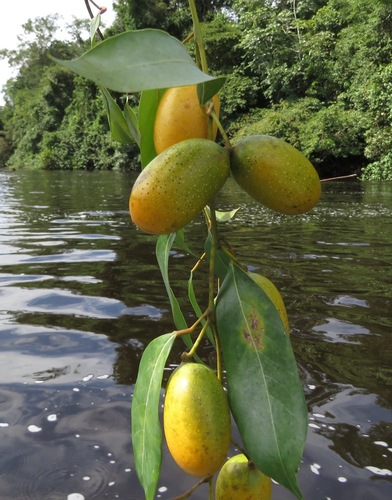
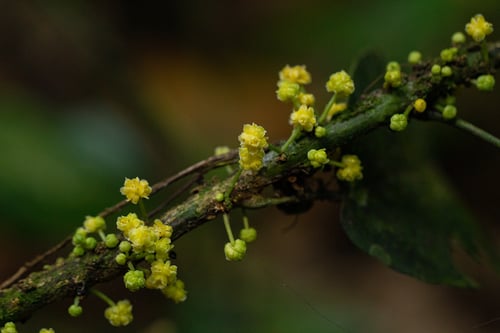
Parabaena sagittata
(Wall.) Miers ex hook.f. et Thoms.
iNaturalist· cc-by-nc
(c) 刘光裕 Liu Guangyu, some rights reserved (CC BY-NC), uploaded by 刘光裕 Liu Guangyu
iNaturalist· cc-by-nc
(c) Russell Barrett, some rights reserved (CC BY-NC)
Description
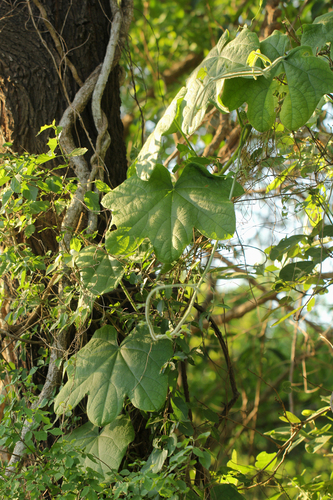
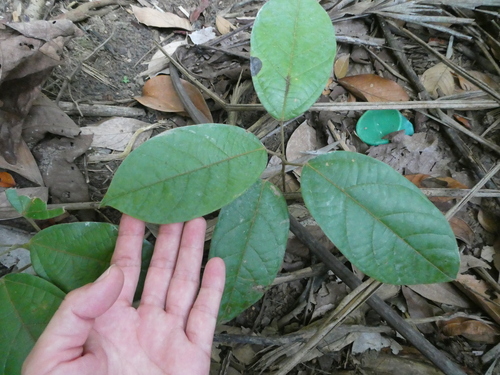
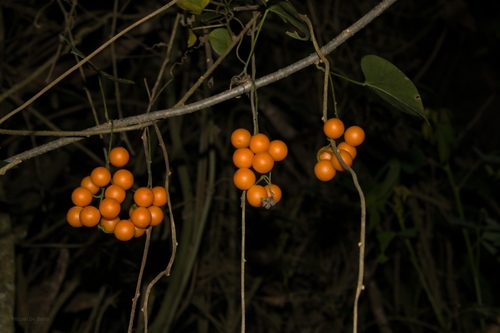
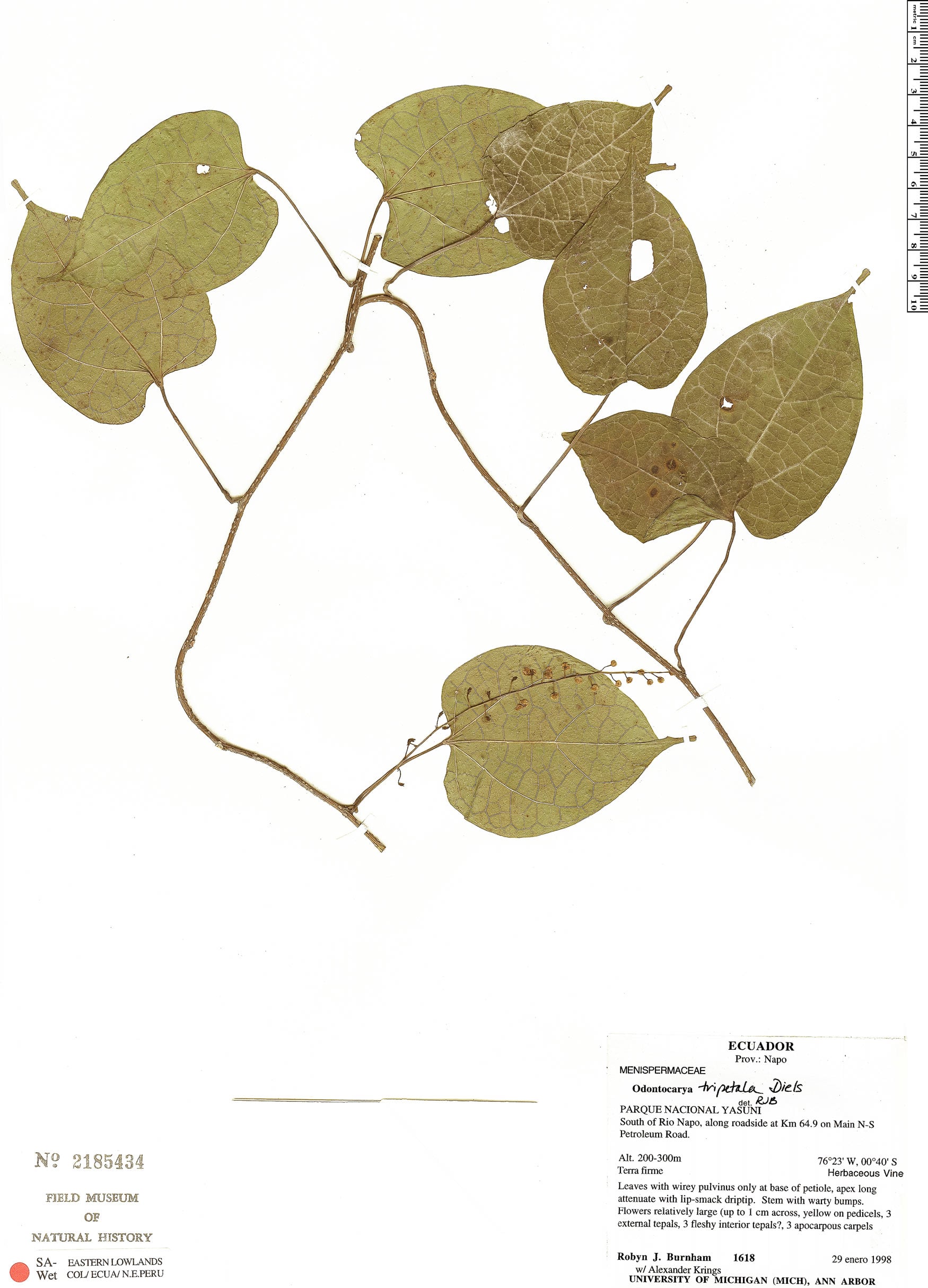
A vine. The stems and branches have lines along them. The leaves are broadly oval and 8-16 cm long by 6-9 cm wide. The underside of the leaves has a hairy coating. Male and female flowers are separate. The fruit is fleshy and flattened. It is 8 mm long.
Edible Uses
The young leaves and stems are cooked, fried, and used in soups; they are sold in local markets.
Traditional Uses
The young leaves and stems are cooked and eaten. They are also fried and also used in soups.
This uses section is brief — help expand it
Distribution
It is a tropical plant. It grows in Yunnan in China. In XTBG Yunnan.
Where It Grows
Asia, Bangladesh, Bhutan, China, Himalayas, India, Indochina, Laos, Myanmar, Nepal, Northeastern India, SE Asia, Thailand, Vietnam,
Production
The young leaves are available all year round.
Other Information
Leaves are sold in local markets.
Also Known As
Gai mei, Hualanweiniu, Padela, Pan nan, Xin ga la mo
References (6)
- Cao, Y., et al, 2020, Ethnobotanical study on wild edible plants used by three trans-boundary ethnic groups in Jiangcheng County, Pu’er, Southwest China. Journal of Ethnobiology and Ethnomedicine (2020) 16:66
- Ghorbani, A., et al, 2012, Diversity of Medicinal and Food Plants as Non-timber Forest Products. Economic Botany XX (X) 2012, pp 1-14
- Ghorbani, A., et al, 2012, A comparison of the wild food plant use knowledge of ethnic minorities in Naban River Watershed Nature Reserve, Yunnan, SW China. Journal of Ethnobiology and Ethnomedicine; 8:17
- Luo, B., et al, 2019, Wild edible plants collected by Hani from terraced rice paddy agroecosystem in Honghe Prefecture, Yunnan, China. Journal of Ethnobiology and Ethnomedicine 15:56
- Phangchopi, U., et al, 2015, Diversity of wild edible plants in Marat Longri Wildlife Sanctuary, Assam. Indian Journal of Natural Products and Resources Vol. 6(4), December 2015 pp. 305-313
Show all 6 references Hide references
- Xu, You-Kai, et al, 2004, Wild Vegetable Resources and Market Survey in Xishuangbanna, Southwest China. Economic Botany. 58(4): 647-667.