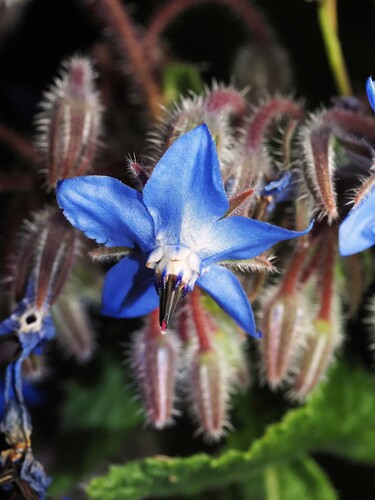
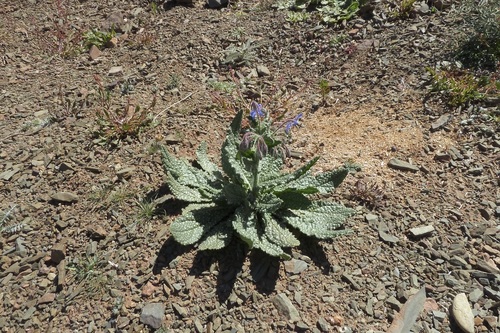
Cordia superba
Cham.
Guanhuma
iNaturalist· cc-by-nc
(c) valdiniz, some rights reserved (CC BY-NC)
iNaturalist· cc-by-nc
(c) Diego Monsores, some rights reserved (CC BY-NC)
Description
A small tree. It grows 7-10 m tall. The trunk can be 20-30 cm across. The crown is oval and dense. The fruit are round and 25 mm across. They are yellow.
Edible Uses
Fruit. The yellowish, globose fruit is up to 25mm in diameter. It has a succulent and very sticky pulp. We have seen no further information for this species. The fruits of most Cordia species are comprised of a thin to fairly thick layer of pulpy, sweetish-tasting flesh surrounding a single seed and are more or less edible, (though some are known to cause gastric disturbances).
Distribution
It is a tropical plant. It grows as an understorey plants in semi-deciduous forest. It is best in as sunny position.
Where It Grows
Brazil*, South America,
Cultivation
Plants can be grown from fresh seed.
Propagation
Seed - it has a short viability of less than 5 months. Sow as soon as possible in a semi-shaded position in a nursery seedbed or in individual containers. Germination rates are generally low, with the seeds sprouting within 40 - 60 days. Transplant nursery bed seedlings to individual containers when they are 5 - 7cm tall. They should be ready to plant out 4 - 6 months later.
Other Uses
The heartwood and sapwood are not clearly demarcated. The wood is moderately heavy and moderately durable under adverse conditions. It is used for cart bodies (bearings and wheel hubs), cabinet making, carpentry and internal works.
Production
Young plants can grow quickly in fertile soil.
Notes
Also put in the family Ehretiaceae.
Synonyms
Also Known As
Baba-de-boi, Babosa branca
References (5)
- Fern, K., 2012, Tropical Species Database http://theferns.info/tropical/
- Giraldi, M. & Hanazaki, N., 2014, Use of Cultivated and harvested Edible Plants by Cairacaras - What Can Ethnobotany Add to Food Security Discussions? Human Ecology Review, Volume 20, Number 2, 2014
- Kermath, B. M., et al, 2014, Food Plants in the Americas: A survey of the domesticated, cultivated and wild plants used for Human food in North, Central and South America and the Caribbean. On line draft. p 263
- Martin, F. W., et al, 1987, Perennial Edible Fruits of the Tropics. USDA Handbook 642 p 93
- www.colecionandofrutas.org