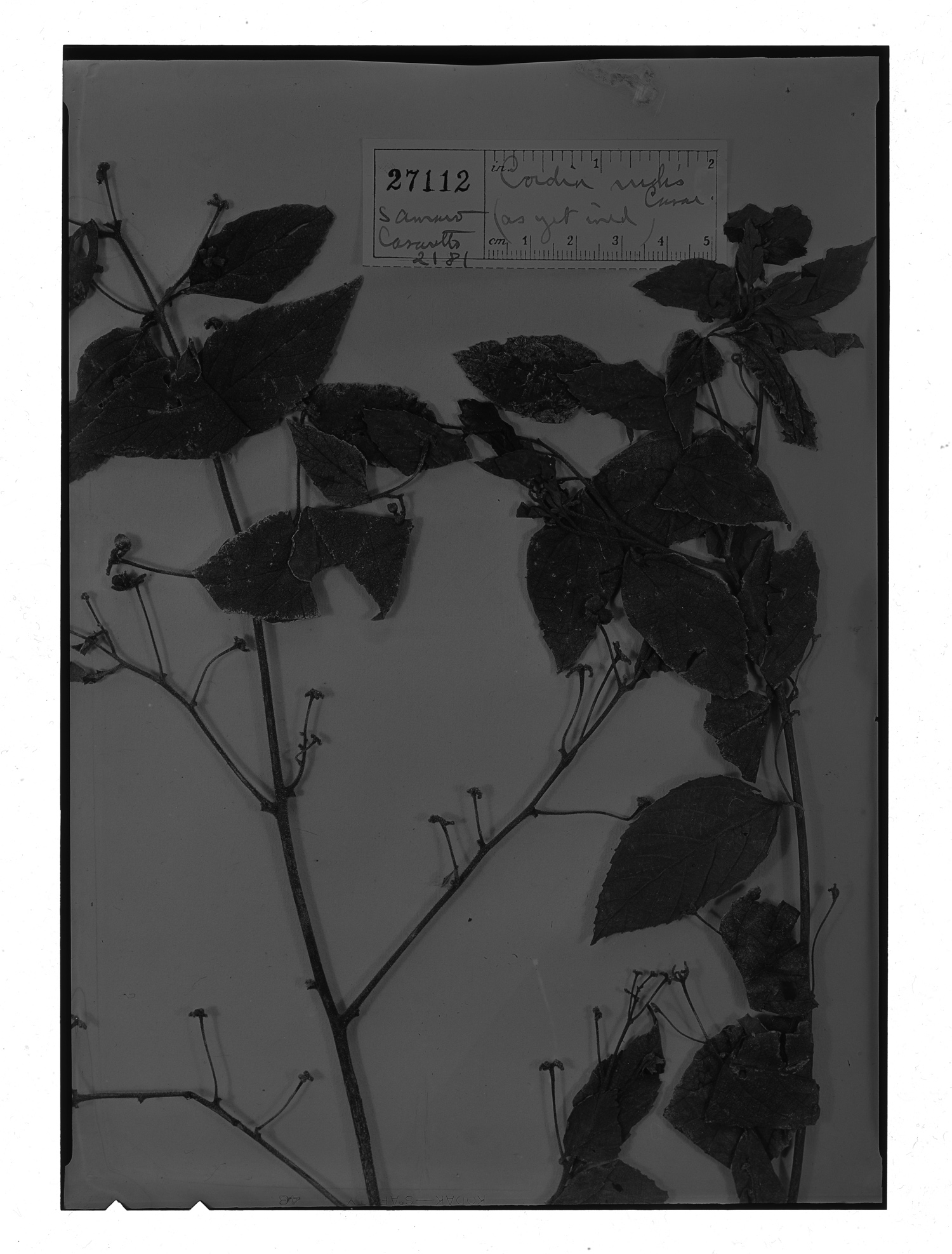
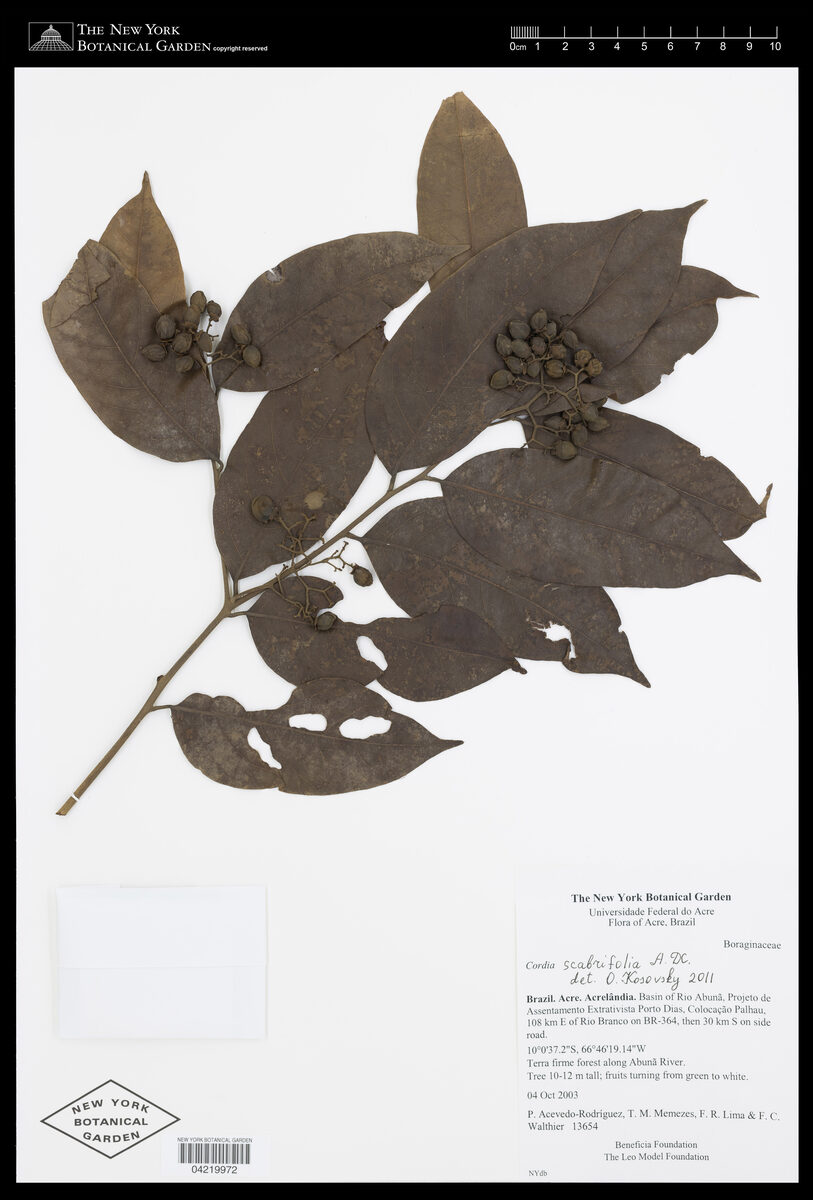
Cordia senegalensis
Juss.
wikimedia· cc-by-sa
Wikimedia Commons - Charlotte Thomas
wikimedia· cc-by-sa
Wikimedia Commons - loli sachez
Description
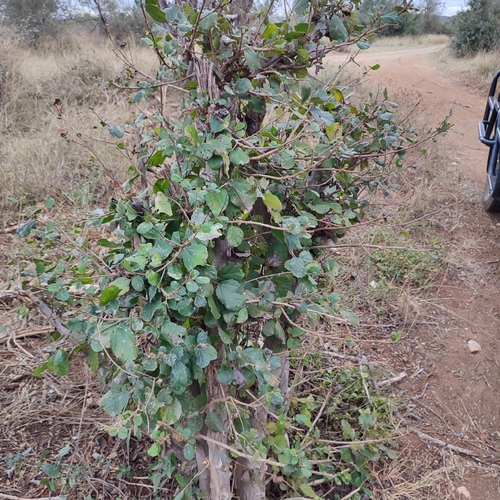
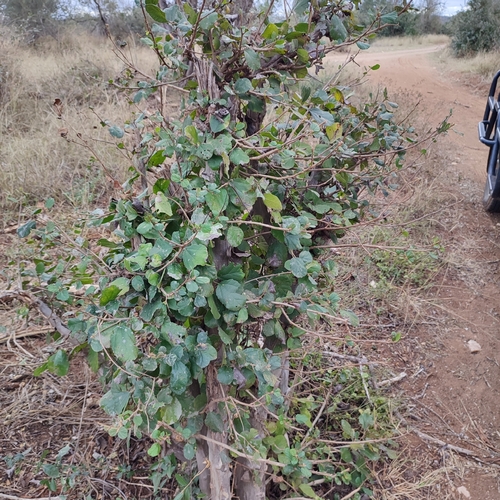
A shrub or tree. It grows 7-8 m high. It can grow 25 m high. The trunk is irregular.
This description is brief — help expand it
Edible Uses
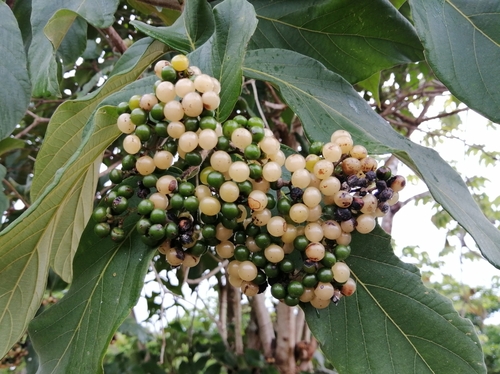
The fruit is eaten.
Medicinal Uses
The leaves are prepared in a macerate taken by draught to treat colic. A decoction of the crushed leaves is drunk as a treatment for kidney-pains. A macerate of the leaves is put into baths to relieve general fatigue and stiffness.
Distribution
It is a tropical plant. It grows in the savannah forest in West Africa.
Where It Grows
Africa, Burkina Faso, Cameroon, Central Africa, Congo, Côte d'Ivoire, Gambia, Ghana, Ivory Coast, Senegal, West Africa,
Other Uses
The bark contains a little gum. A fibre obtained from the bark is used to make cordage etc. The yellowish wood is used locally to make drums and canoes. The wood of most species in this genus is hard and, where the plants grow large enough, the wood is often harvested at least locally for use in construction etc and also for making charcoal.
Also Known As
Ekante, Mbey, Suro, Suub, Suuo, Tamboran, Tweneboa
References (4)
- Bojang, L., 1999, Non-wood Forest Products in The Gambia. EC-FAO Partnership Programme.
- Burkill, H. M., 1985, The useful plants of west tropical Africa, Vol. 1. Kew.
- Diouf, M., et al, Leafy Vegetables in Senegal. Bioversity webite
- Gueye, M. & Meissa, D., 2007, Traditional Leafy Vegetables in Senegal: Diversity and medicinal Uses. Afr. J. Trad. CAM (2007) 4 (4): 469 – 475